
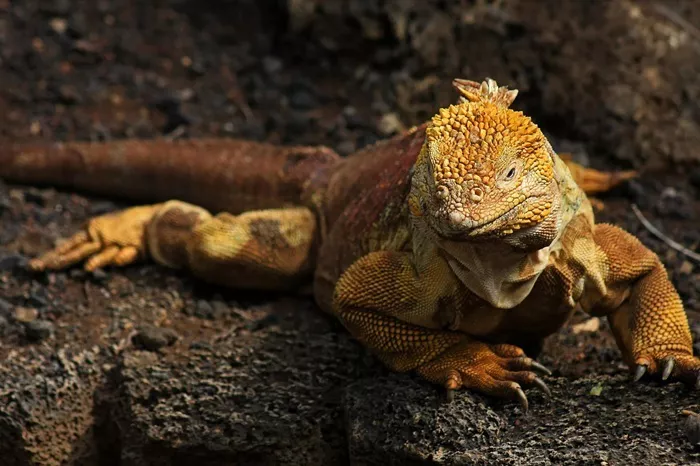
If you’ve ever wondered what makes land iguanas so special, you’re in for a treat! These fascinating creatures are not just lizards—they’re survivors with a story to tell. The land iguana, especially the famous Galápagos land iguana (Conolophus subcristatus), is a living testament to the power of evolution and adaptation. With their colorful skin, quirky habits, and extraordinary ability to survive in some of the most unforgiving environments, they’re full of surprises.
But what exactly makes them so intriguing? Well, get ready for some fun facts that will not only change the way you view these reptiles but will also leave you wanting to learn more about their amazing lifestyle!
Introduction: A Land of Wonders
Land iguanas are a diverse group of herbivorous reptiles native to various regions, but they’re most famously found in the Galápagos Islands. These islands are home to some of the most unique species on Earth, including the iconic marine iguana. However, land iguanas are equally remarkable, with their ability to thrive in dry, arid conditions and their remarkable adaptations that help them navigate the tough environments they call home.
You may have seen them lounging under the sun, basking on a rock, or even munching on cactus. But what about all the fascinating things you didn’t know? For example, did you know that land iguanas have a thick skin that helps them survive in extremely dry environments? Or that they are slow movers, but only because they’re using their energy wisely to survive in tough conditions?
Let’s dive deeper into some fun and surprising facts about the land iguana, which might just make you appreciate this resilient reptile even more!
Fun Fact #1: Land Iguanas Have a Sweet Tooth for Cactus!
One of the coolest things about land iguanas is their diet. These reptiles are herbivores, but what they choose to eat is pretty unique. Cactus plays a huge role in their diet, and they can munch on tough cactus pads without being bothered by the spines. They have sharp teeth that help them tear off the fleshy parts of the cactus while avoiding the prickly needles.
It’s almost like a reptilian version of a cactus buffet! Imagine this: you’re a lizard in a dry desert environment, and you’ve found the perfect snack—one that’s both hydrating and nutritious. The cactus not only provides food but also helps the iguana stay hydrated in an environment where water can be scarce.
Why This is Interesting:
Cactus-eating is one of the reasons why land iguanas are so perfectly adapted to their desert habitats. Their ability to consume plants that other animals can’t eat makes them highly resilient. You can imagine it as a reptilian “survival hack,” where their thick skin and unique diet help them thrive in some of the harshest conditions on Earth.
Fun Fact #2: They’re Incredible Sunbathers!
Like many cold-blooded reptiles, land iguanas rely on external heat to regulate their body temperature. This means that they are sun worshippers! You’ll often see them basking on rocks or sand to soak up the warmth of the sun, a behavior known as thermoregulation.
However, here’s where it gets interesting: land iguanas are not just looking for a tan. Their basking behavior helps them keep their bodies at a comfortable temperature, so they can be active and efficient during the day. When you see them lying out in the sun, they’re essentially “charging up” like a solar-powered battery!
Why This is Interesting:
This need for warmth leads to social behavior as well. Land iguanas will often bask in groups, sharing the warmth of the sun. So, it’s not just about getting the perfect spot—it’s also about community, as they gather together in their quest for energy.
Fun Fact #3: They Can Live Up to 50 Years!
Land iguanas have surprisingly long lifespans, with some reaching up to 50 years in the wild. This is quite impressive, especially when you think about all the challenges they face in their environment. Surviving for decades in an often harsh climate with limited resources is no small feat!
Interestingly, their lifespan is partly influenced by the availability of food and climate conditions. In the wild, land iguanas have to contend with predators, competition for resources, and the constant need to find food. But with the right environmental conditions, they can live long, healthy lives.
Why This is Interesting:
Think about it: an iguana living for half a century. That’s a huge investment in survival! This long lifespan allows land iguanas to mature slowly and reproduce over many years, ensuring the continuation of their species.
Fun Fact #4: They’re Masters of Stealth and Camouflage
Land iguanas have a remarkable ability to blend in with their environment. Their earthy colors, ranging from yellowish to brown, help them blend seamlessly with the rocks, sand, and vegetation of their habitats. This camouflage is essential for avoiding predators.
While you might think these lizards are slow movers (and they are), they can still use their ability to remain motionless to stay undetected. Imagine you’re a predator, and you’re scanning the ground for movement. If a land iguana stays still, it’s hard to spot. It’s like a living game of hide-and-seek!
Why This is Interesting:
Their ability to hide in plain sight is a defense mechanism that keeps them safe from predators like hawks, snakes, and dogs. It’s an incredible adaptation for survival in their environment.
Fun Fact #5: They Are Excellent Climbers
While land iguanas are primarily ground dwellers, they are also excellent climbers. They have strong limbs and sharp claws, which help them scale rocks and low trees. This climbing ability is especially useful when it comes to finding food.
When food sources are scarce on the ground, land iguanas will use their climbing skills to reach higher ground and browse for food. They’re not just limited to the ground—they can get creative and reach areas that might not be accessible to other animals.
Why This is Interesting:
This climbing ability provides flexibility in their diet. If cactus pads are out of reach on the ground, they can climb to the top of the cactus to find more nutritious food. It also gives them a safe escape route from predators, giving them the option to climb out of harm’s way.
Fun Fact #6: They’re Solitary but Social When It Counts
Land iguanas are generally solitary creatures, spending most of their time alone or in small groups. However, they do come together in specific situations, such as basking, mating, or when food is plentiful. During these times, they can form small groups and share resources.
It’s a bit like humans who enjoy their alone time but come together when there’s a good reason to do so—whether it’s for a social event, a family gathering, or a community activity.
Why This is Interesting:
Land iguanas are territorial and prefer solitude most of the time. But their social interactions show that even solitary creatures can form bonds when the environment calls for it.
Fun Fact #7: They Play a Vital Role in Their Ecosystem
Land iguanas are important ecological players in their environment. By feeding on cactus and other vegetation, they help maintain plant health by preventing overgrowth. Their feeding habits also aid in the germination of certain plants, contributing to the diversity of life on their island homes.
In other words, land iguanas are nature’s gardeners, helping to shape and maintain the balance of their ecosystems. Without them, the Galápagos Islands would be a very different place!
Why This is Interesting:
By doing something as simple as eating plants, land iguanas are contributing to the survival of many other species in the ecosystem. They’re the unsung heroes of the Galápagos!
Conclusion
Land iguanas are more than just charming reptiles; they’re incredible survivors and have many fun, quirky characteristics that make them stand out in the reptile world. From their love of cactus to their impressive climbing skills, these creatures have truly adapted to their environment in remarkable ways.
Whether you’re captivated by their survival tactics or simply amazed by their unique behavior, land iguanas are a testament to the power of evolution and adaptation. Next time you see one basking in the sun, remember: there’s so much more to these reptiles than meets the eye!
Related topics: