
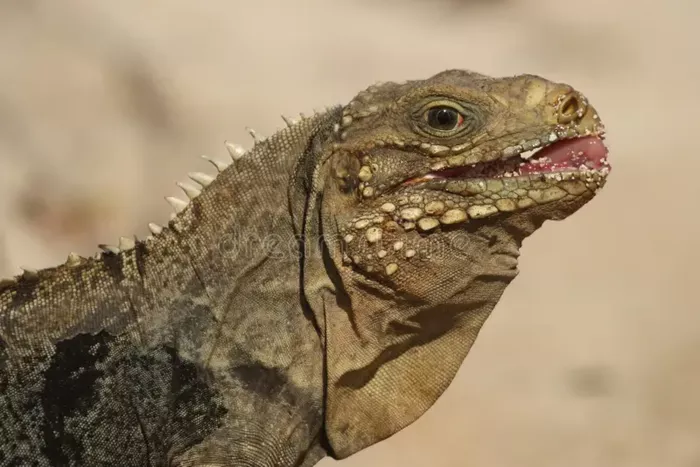
Imagine walking through the rugged, sun-baked landscapes of Cuba, where you spot a unique creature basking on the rocks, blending perfectly with its surroundings. That creature is the Cuban Rock Iguana (Cyclura nubila), a remarkable reptile that has adapted to the harsh environment of the Caribbean’s rocky terrains. Known for its muscular build, resilient nature, and stunning appearance, this iguana stands as one of the most charismatic members of the Cyclura genus.
In this article, we’ll dive deep into the world of the Cuban Rock Iguana, exploring its behavior, diet, physical traits, and the challenges it faces in the wild. Whether you are a reptile enthusiast, a conservationist, or simply someone curious about the natural world, this comprehensive guide will provide valuable insights into this amazing species.
Introduction to the Cuban Rock Iguana
The Cuban Rock Iguana is a large, herbivorous lizard that primarily resides in the rocky coastal regions of Cuba. These iguanas are known for their brawny physique, which helps them thrive in their harsh, arid environment. The Cuban Rock Iguana is highly adapted to its environment, able to endure the hot temperatures, limited water supply, and sparse vegetation that characterize the Cuban countryside.
These creatures are not just about looks. Despite their intimidating appearance, Cuban Rock Iguanas are generally calm and slow-moving. However, they are also territorial, and during breeding season, they become more active and aggressive.
Where Do Cuban Rock Iguanas Live?
Cuban Rock Iguanas are native to Cuba, specifically in rocky coastal areas and dry forests. Their primary habitat is along the northern and western coasts of Cuba, where they make their homes in rocky crevices, scrublands, and semi-arid areas. They are also found on nearby islands and cays such as Isla de la Juventud and Cayo Largo.
How Do Cuban Rock Iguanas Adapt to Coastal Life?
The Cuban Rock Iguana’s habitat is tough. The coastlines are rocky and often exposed to the harsh sun. Yet, these iguanas thrive in these conditions due to their remarkable survival skills. They use the rocks and crevices to hide from predators and escape extreme temperatures. When the sun becomes too intense, they retreat to shaded areas, often under boulders or in caves. They are also excellent climbers, using their strong claws and powerful tails to scale rocks and navigate their environment.
Physical Characteristics of the Cuban Rock Iguana
One look at the Cuban Rock Iguana, and you’ll immediately notice its muscular build and tough, spiny appearance. These iguanas have large heads, short limbs, and long tails that help them balance and navigate their rocky environments.
Coloration and Size
Cuban Rock Iguanas are typically grayish or brownish, with lighter markings on their bodies. This color allows them to blend in with their rocky surroundings, helping them camouflage from predators. Males are generally larger than females, reaching lengths of up to 5 feet (1.5 meters), while females typically stay around 3 feet (1 meter).
Their scaly skin is tough and provides protection against harsh environmental conditions, like sharp rocks and intense sunlight. They have spines running along their back and tail, giving them a fierce look, though these spines are not used for defense but are primarily for display.
Diet of the Cuban Rock Iguana
The Cuban Rock Iguana is a herbivore, feeding on a wide variety of plant material. These iguanas have a strong preference for leaves, flowers, and fruit. They are known to feed on a variety of plants, including cacti, palm fruits, and grasses. They also sometimes consume insects and small invertebrates, though plant material makes up the majority of their diet.
How Do They Forage for Food?
Much like a grazing animal, Cuban Rock Iguanas spend a considerable amount of time foraging for food. They use their sharp claws to rip through plant material and reach the tastiest leaves and fruits. The fact that these iguanas can eat thorny plants, such as cactus, is one of their amazing adaptations to the dry and barren landscapes they inhabit.
How Do Cuban Rock Iguanas Stay Hydrated?
Water is scarce in their environment, so Cuban Rock Iguanas must be resourceful. They are efficient drinkers, often soaking up water from dew or rainwater collected in the hollows of rocks or plant leaves. During the rainy season, when water becomes more abundant, they can store enough moisture to help them through dry spells.
Behavior and Social Structure
Cuban Rock Iguanas are diurnal, meaning they are active during the day. These iguanas are not solitary creatures but can be found in small groups. Males are highly territorial and will often engage in displays of dominance to protect their territory, especially during mating season. These displays may include head bobbing, tail lashing, and body posturing.
How Do They Interact with Each Other?
Males will defend their territory fiercely, often using aggressive tactics to drive off rivals. On the other hand, females tend to be more passive and are typically seen foraging or basking in groups. There is little to no social interaction outside of mating or territorial disputes, making the Cuban Rock Iguana a relatively low-maintenance reptile in terms of socialization.
Reproduction and Life Cycle
The breeding season for Cuban Rock Iguanas generally occurs during the warm months, typically from April to July. Males become particularly active during this time, engaging in courtship displays to attract females. The process includes vibrant colors, head bobs, and territorial gestures.
How Does the Cuban Rock Iguana Reproduce?
Once mating occurs, females will lay their eggs in burrows or nests dug into sandy areas. They lay 10 to 15 eggs, which are incubated for about 60 to 90 days. After hatching, the young iguanas are completely independent and must fend for themselves.
Threats to the Cuban Rock Iguana
Despite its strong physique and territorial nature, the Cuban Rock Iguana faces several threats. These include habitat destruction, illegal pet trade, and predation from animals like dogs, cats, and rats. The iguana’s limited habitat means that it is highly susceptible to climate change and human activities.
Are Cuban Rock Iguanas Endangered?
Yes, the Cuban Rock Iguana is currently considered vulnerable by the International Union for Conservation of Nature (IUCN). Conservation efforts are underway to protect these remarkable creatures, including habitat restoration and breeding programs. Local efforts to reduce predation and regulate the illegal pet trade are also essential for the survival of the species.
How Can We Protect the Cuban Rock Iguana?
Protecting the Cuban Rock Iguana requires a multifaceted approach. This includes maintaining natural habitats, limiting human impact, and promoting awareness about the importance of this species. Conservationists and government agencies are working together to establish protected areas and conduct research on the iguana’s behavior, breeding, and survival strategies.
Conclusion
The Cuban Rock Iguana is a true testament to the resilience and adaptability of nature. With its muscular body, stunning appearance, and fascinating behaviors, it is a living representation of the toughness needed to survive in some of the world’s most challenging environments. As efforts to conserve this species continue, we hope that future generations will also have the opportunity to admire and learn from this unique reptile.
Related topics: