
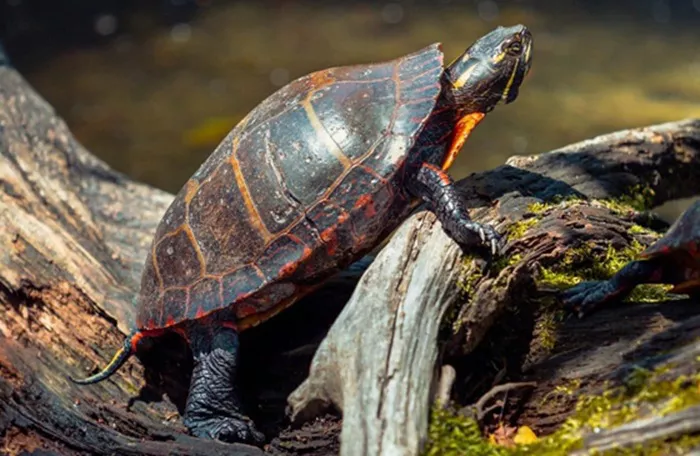
Have you ever wondered how long a painted turtle can live? These charming little turtles with their bright shells and gentle nature often captivate pet owners and nature lovers alike. But the big question is: how long can these turtles share your world? Is it a few years, a decade, or even longer? Let’s dive into the fascinating life of painted turtles to uncover the secrets behind their lifespan.
You might be surprised — painted turtles can live a lot longer than you think! But just like any pet or wild creature, their lifespan depends on many factors. So, if you want to give your turtle the best chance to thrive, understanding these factors is crucial. Let’s explore.
What Is a Painted Turtle?
Before we dig into lifespan, let’s quickly get to know the star of the show — the painted turtle. This species is one of the most common turtles in North America. They get their name from the colorful markings on their shells, which look like someone painted them with bright red, yellow, and green patterns.
Painted turtles live in ponds, lakes, and slow-moving rivers. They are semi-aquatic, meaning they spend time both in water and basking on rocks or logs under the sun. Their ability to thrive in different environments has helped them become quite widespread.
How Long Do Painted Turtles Live in the Wild?
Here’s where the mystery starts to unfold. In the wild, painted turtles usually live between 20 and 30 years. However, this is an average estimate. Some turtles might live shorter lives, while others can survive well beyond 30 years if conditions are favorable.
Why such a range? Imagine if you lived in a city with constant traffic and pollution versus a quiet countryside. Your health and life expectancy would likely differ, right? It’s similar for turtles. Wild turtles face many risks that can shorten their lives.
Risks That Shorten Their Wild Lifespan
Predators: Painted turtles are small, especially when young, so animals like raccoons, birds, and fish see them as tasty snacks.
Habitat Changes: Pollution, habitat destruction, and human activity can reduce safe places for turtles to live.
Weather: Harsh winters or droughts can challenge turtle survival, especially if they cannot find proper shelter.
Accidents: Road crossings and other dangers caused by humans can be fatal.
Despite these challenges, painted turtles have a few survival tricks. They can hide underwater for long times, and their shells protect them against many predators. Also, their slow metabolism helps them survive with less food and energy during tough seasons.
How Long Do Painted Turtles Live in Captivity?
When kept as pets or in controlled environments like aquariums and turtle sanctuaries, painted turtles can live much longer—often 30 to 40 years, and sometimes even more than 50 years!
This extended lifespan happens because captive turtles usually face fewer dangers:
They have steady food and clean water.
They don’t worry about predators.
Their environment is controlled for temperature, light, and humidity.
They receive medical care if needed.
Think of it like this: living in captivity is like having a comfy home with regular meals, doctor visits, and no threats — naturally, you’d expect to live longer!
What Factors Affect the Lifespan of Painted Turtles?
You might be wondering, “Okay, so what exactly influences how long my painted turtle will live?” Here are the key factors you need to know about, especially if you are thinking of being a proud painted turtle owner.
1. Diet and Nutrition
A healthy diet is the foundation of longevity. Painted turtles are omnivores — they eat both plants and small animals like insects or fish. Feeding them a balanced diet rich in calcium and vitamins is essential.
Calcium is like a building block for their shells and bones. Without enough calcium, turtles can develop metabolic bone disease (MBD), a condition where their bones become soft or deformed. It’s like trying to build a house with weak bricks — the structure won’t last.
You might be surprised, but UVB light also plays a big role here.
2. UVB Light — The Artificial Sunshine
UVB lamps in captivity are like “artificial sunlight” for your turtle. In the wild, turtles bask under the sun to produce vitamin D3, which helps their bodies absorb calcium from their food.
Without enough UVB light, your painted turtle may become weak or develop bone problems, shortening their lifespan. So, if you have a pet turtle, providing a proper UVB light source is not a luxury — it’s a must!
3. Habitat and Environment
Temperature matters! Painted turtles are cold-blooded, meaning their body temperature depends on their surroundings. Too cold or too hot, and they become stressed.
A proper basking spot with the right temperature is like a cozy blanket for your turtle. In captivity, you must carefully control water temperature and basking temperature to mimic their natural environment.
Also, clean water is essential. Dirty or stagnant water can cause infections or shell rot, another disease that can harm turtles.
4. Stress and Social Environment
Painted turtles generally prefer peaceful environments. Too much handling, loud noises, or overcrowding can stress them out.
Stress weakens their immune system, making it harder to fight diseases. It’s like when you’re exhausted from work or school — your body becomes more prone to colds.
See Also: Painted Turtle Not Eating? Find Out Why
Common Health Issues That Impact Turtle Lifespan
Even with the best care, painted turtles may face health challenges. Knowing the common problems helps you act fast and protect your turtle’s life.
Shell Injuries: Cracks or soft spots can be dangerous. Think of the shell as their armor — if it’s damaged, infections can enter.
Respiratory Infections: Like a cold or pneumonia in humans, these can be fatal if untreated.
Parasites: Internal or external parasites can weaken the turtle.
Vitamin Deficiencies: Lack of vitamins A or D can cause eye problems or shell deformities.
Recognizing symptoms early — like lethargy, swelling, or changes in appetite — and consulting a vet can save your turtle’s life.
How Can You Help Your Painted Turtle Live a Long, Healthy Life?
Great question! If you have a painted turtle or plan to get one, here are some tips to help your shelled friend thrive for decades.
Provide a Balanced Diet
Include fresh vegetables, aquatic plants, and occasional protein like worms or fish. Don’t forget calcium supplements, especially cuttlebone — a natural calcium source turtles love to nibble on.
Set Up Proper Lighting and Heating
Use UVB lamps to mimic sunlight. Keep a basking area warm (around 85-90°F) and water temperature moderate (around 75-80°F). This balance helps their metabolism and shell health.
Keep Their Habitat Clean and Spacious
Change water regularly and clean the tank. A clean environment prevents infections. Also, provide enough space to swim and bask — cramped turtles are stressed turtles.
Regular Health Checks
Observe your turtle daily. Look for signs of illness or injury and get professional care if needed. Preventive care is better than emergency treatment.
Minimize Stress
Handle your turtle gently and avoid sudden changes in their environment. Remember, turtles like calm and steady lives.
Painted Turtle Lifespan: Fascinating Facts You Didn’t Know
−Some painted turtles in captivity have been reported to live over 50 years, making them lifetime companions.
−They can survive harsh winters by slowing down their metabolism and hiding underwater in mud.
−Painted turtles grow slowly, and their shells show growth rings like trees, which can give clues about their age.
Conclusion
So, what’s the final answer? Painted turtles typically live 20 to 30 years in the wild, and with great care, they can reach 40 to 50 years or more in captivity.
Their lifespan depends on many factors like diet, environment, health care, and stress levels. If you care for your turtle like a family member, providing good nutrition, clean habitat, and proper lighting, you can enjoy the company of your shelled friend for decades.
Remember, owning a painted turtle is a long-term commitment, but it’s also incredibly rewarding. They are not just pets but living symbols of nature’s patience and resilience. So, if you decide to welcome a painted turtle into your life, get ready for a wonderful, long-lasting journey together!
Related topics: