
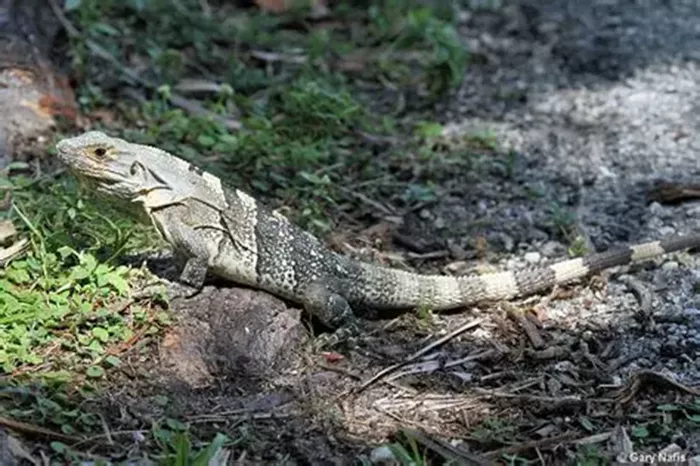
What do spiny-tailed iguanas eat? At first glance, you might think they just munch on leaves or snack on bugs like many other lizards. But the truth is more fascinating—and important—than it might seem. If you’re planning to care for a spiny-tailed iguana, or even just curious about their natural behavior, knowing what they eat can unlock secrets about their health, their personality, and even their environment. Get this wrong, and you might be risking their well-being. Get it right, and you’re on your way to raising a thriving reptile companion. Let’s dive into the exciting world of spiny-tailed iguana diets!
Meet the Spiny-Tailed Iguana: Who Are They?
Spiny-tailed iguanas, known scientifically as Ctenosaura, are a group of medium to large lizards that live primarily in Mexico and Central America. Their name comes from the ring of pointed, spiky scales that run down their tails. These tough tails aren’t just for show—they help the iguanas defend themselves from predators and even rival iguanas.
There are over a dozen species in this genus, but many of their behaviors, including what they eat, follow similar patterns. These iguanas are highly adaptable. In the wild, they live in rocky outcrops, dry forests, and even urban areas. Because of their flexibility, their diet is also broad, and that’s where things get interesting.
Wild vs. Captive: Two Diet Worlds
Before we break down their menu, we need to separate two very different lifestyles:
Wild Spiny-Tailed Iguanas have to forage and scavenge. Their diet depends on what’s available—plants, flowers, fruits, insects, and even small animals.
Captive Spiny-Tailed Iguanas, on the other hand, rely entirely on you to feed them the right mix of nutrients. In this setting, understanding their natural needs is critical so we can mimic it as closely as possible.
Think of it like trying to raise a panda in your backyard—you wouldn’t just feed it bananas because it’s a fruit, right? Same goes for these lizards. Just because they “can” eat something doesn’t mean they “should.”
The Core of Their Diet: Primarily Herbivorous, Occasionally Omnivorous
Here’s the tricky part. Spiny-tailed iguanas are primarily herbivorous, especially as they grow older. That means they eat mostly plant-based foods. But they’re not picky vegetarians. Young iguanas and some adults may opportunistically eat animal protein, especially in the wild.
Let’s break this down.
Plant-Based Foods: The Healthy Foundation
In general, adult spiny-tailed iguanas should eat a variety of vegetables, leaves, flowers, and some fruits. These aren’t just for filling their bellies—they provide vitamins, minerals, and water content that keep the lizards active and alert.
Leafy Greens and Vegetables
These are the “bread and butter” of their diet, if we had to pick an analogy. Think of leafy greens as the fresh salads that your iguana craves every day. Good choices include:
Collard greens
Turnip greens
Dandelion greens
Mustard greens
Escarole
All of these are rich in calcium, which is incredibly important. Why? Because without calcium, iguanas can develop MBD (metabolic bone disease)—a painful and often fatal condition where their bones soften and deform due to calcium deficiency.
So yes, this isn’t just a leafy detail—it’s the backbone of their health.
Avoid spinach and iceberg lettuce. Spinach binds calcium (making it unavailable), and iceberg lettuce is mostly water with almost no nutrients.
Squash and Root Veggies
Chopped zucchini, butternut squash, and carrots can be added in moderation. These are like little energy boosters—nutrient-dense and full of variety.
Edible Flowers
Don’t forget nature’s treats! Hibiscus, nasturtiums, and dandelion flowers aren’t just pretty—they’re edible and full of color and fiber.
Fruits: A Sweet Bonus, Not a Staple
Fruits like strawberries, papaya, mango, or melon may seem healthy, and yes, they’re fine—in moderation. They contain natural sugars, which iguanas don’t process well in large amounts. Think of fruit like dessert for them—nice every now and then, but not for breakfast, lunch, and dinner.
Too much sugar can lead to obesity, liver stress, and gut imbalances. It’s like giving candy to a child every day—fun but unsustainable.
Animal Protein: Only in Small, Occasional Doses
Young spiny-tailed iguanas in the wild may eat small insects or even carrion. Some keepers think they need insects daily, but that’s not true. In fact, too much protein can cause serious harm, like kidney damage.
Still, in small amounts, animal protein can help juveniles grow. A cricket or two per week for a young iguana is fine, but adults usually don’t need it. In captivity, it’s best to keep protein under 5% of the diet unless advised by a veterinarian.
Some examples:
Small insects (like crickets or mealworms)—only for juveniles
Boiled egg or pinkie mice—extremely rare, only if a vet suggests it
Again, don’t overdo it. If you’re unsure, skip it—plants are safer.
Water: The Forgotten Essential
It’s easy to overlook, but hydration matters! Spiny-tailed iguanas often get water from their food (especially fruits and greens), but they should also have access to clean, shallow water dishes. Mist their enclosure lightly in the morning to simulate dew—they may lick water droplets off surfaces just like they would in the wild.
Calcium and Vitamin Supplements: The Finishing Touch
Even with a great diet and UVB light, many keepers dust their iguana’s food with calcium powder (without phosphorus) a few times a week. This is especially important for juveniles and females.
A multivitamin powder can be added once or twice a month. Don’t overdo it—too many vitamins can be toxic.
Feeding Tips: Make It Fun and Functional
Spiny-tailed iguanas aren’t just passive eaters. They enjoy exploring, foraging, and chasing food. So try these:
Scatter food in their enclosure to mimic natural foraging.
Use climbing platforms or food skewers to encourage movement.
Hand-feed occasionally for bonding (but don’t let them get spoiled).
This keeps their body active and their brain stimulated!
What to Never Feed Them
Just like you wouldn’t feed chocolate to a dog, there are strict no-go foods for spiny-tailed iguanas:
Avocados (toxic)
Rhubarb
Onions and garlic
Animal products like dog or cat food
Processed human foods
Dairy (reptiles are lactose intolerant!)
Stick to whole, fresh, and natural items—if it wouldn’t grow in the wild, it probably doesn’t belong in their bowl.
Signs of a Poor Diet: What to Watch Out For
If your spiny-tailed iguana isn’t eating well or is missing nutrients, you may notice:
Lethargy or slow movement
Swollen limbs or jaw (a sign of metabolic bone disease)
Weight loss or a thin tail
Constipation or diarrhea
Pale or flaky skin
When you see these signs, it’s time to re-evaluate their diet, lighting, and habitat. Don’t wait—correcting a problem early can make all the difference.
Conclusion
So, what do spiny-tailed iguanas eat?
Mostly plants—leafy greens, flowers, a few vegetables. A splash of fruit, maybe a bug here or there for the young ones. But the key lies not just in what they eat, but in how they’re cared for: UVB lighting, clean water, occasional supplements, and an interactive feeding environment.
Feeding a spiny-tailed iguana isn’t hard. But it does take consistency, awareness, and a bit of love. When you get their diet right, you’ll notice it right away—their colors brighten, their movements sharpen, and their personality shines.
And that’s the kind of pet-owner bond worth feeding every day.
Related topics: