
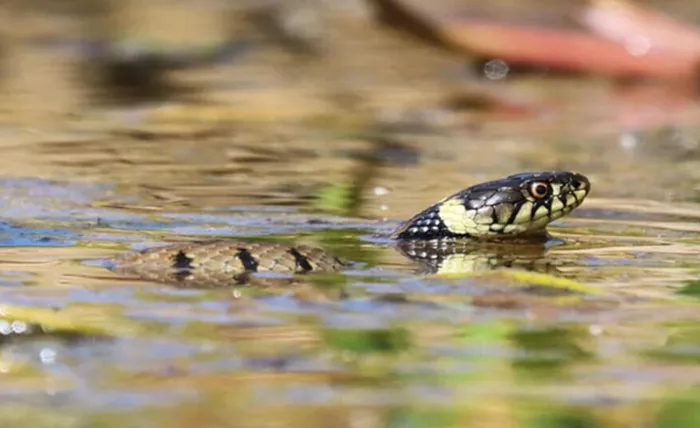
Have you ever wondered if snakes can swim? You might be surprised to learn that many species of snakes are not only capable of swimming, but they do so with great ease. Unlike other reptiles that may struggle to get in and out of water, snakes have evolved remarkable adaptations that allow them to navigate aquatic environments effectively.
In this article, we will explore whether snakes can swim, how they do it, and which species are particularly skilled swimmers. We’ll also look at the anatomy of a snake’s body, its relationship with water, and how snakes in the wild use swimming to their advantage. By the end, you’ll have a deep understanding of how these fascinating creatures interact with water.
The Mystery of Snake Swimming
At first glance, snakes might seem like they would struggle in the water. After all, their long, cylindrical bodies don’t seem well-suited for the kind of movement required in aquatic environments. However, in reality, most snake species are proficient swimmers, and some even spend a significant portion of their lives in the water. But how exactly do they swim?
Snake Anatomy and Swimming Mechanics
A snake’s unique body structure is key to its swimming ability. Unlike mammals, reptiles like snakes lack limbs, which means they don’t have to deal with the coordination needed for walking or running. Instead, they rely on a different kind of motion called lateral undulation. This motion involves the snake’s body moving in a sinusoidal pattern, or S-shaped curves, which is an effective way to propel themselves forward through water.
Think of it like how a fish or eel moves in the water. The snake uses its muscles to create rippling motions down its long body, which pushes against the water and propels the snake forward. The snake’s flattened belly scales also help provide traction, allowing the snake to “grab” the water and move through it more efficiently.
Interestingly, snakes use a very different technique for swimming than they do for slithering on land. On land, a snake’s body moves in a series of straight lines, while in the water, it curls into waves and moves in a more fluid motion.
Why Do Snakes Swim?
Snakes swim for several reasons. One of the most common reasons is to find food. Many species of water snakes, such as the Water Moccasin or Cottonmouth, will dive into lakes, rivers, and streams to hunt fish or amphibians. These snakes are excellent swimmers and have adapted to life in aquatic environments.
Other snakes, like the Sea Snake, are primarily marine dwellers and are specifically adapted to living in the ocean. These snakes spend most of their lives in the water, hunting for fish and other sea creatures. Some species of snakes, like the Eastern Garter Snake, are also known to swim to escape predators, especially if they feel threatened on land.
Can All Snakes Swim?
While many snakes are capable swimmers, not all of them thrive in the water. Snakes that are more adapted to arid environments, like the Sidewinder Rattlesnake or the Desert Horned Viper, tend to avoid water. These species may be able to swim if needed, but they generally prefer dry, rocky habitats where they can hide and hunt in the sand or under rocks.
On the other hand, species that live near bodies of water, like rivers, lakes, or marshes, are often much more skilled in swimming. Some snakes, like the Water Snake or King Cobra, may even spend a significant amount of time in or around water, making swimming a necessary skill for survival.
The Adaptations That Enable Swimming
So, what adaptations help certain snakes swim better than others? Let’s take a closer look.
Streamlined Bodies: Many water-dwelling snakes have bodies that are more streamlined and slender, which allows them to move more easily through the water. A long, slender body reduces drag and helps the snake glide smoothly.
Specialized Scales: While most snakes have rough, keeled scales that help them grip surfaces on land, aquatic snakes tend to have flatter scales on their bellies. These scales provide better traction in the water, helping the snake “push off” from the water to move forward.
Buoyancy: Some snakes have developed an ability to control their buoyancy, meaning they can regulate how much of their body is submerged in water. For instance, Sea Snakes are able to adjust the amount of air in their lungs, which allows them to dive and resurface as needed.
Flexible Jaws: Snakes also have extremely flexible jaws that allow them to hold onto prey even underwater. This is particularly useful for water snakes that capture fish or other aquatic animals.
How Do Snakes Swim in Different Environments?
Different environments present different challenges for swimming snakes. Let’s take a look at how snakes adapt to various aquatic habitats.
Freshwater Swimming
In freshwater environments like lakes, rivers, and ponds, snakes often rely on their swimming abilities to hunt for food. Freshwater snakes, such as the Northern Water Snake, use their lateral undulation to glide through the water in search of fish, amphibians, and small mammals.
Freshwater snakes are also known to dive deep into the water and can hold their breath for several minutes, which helps them avoid predators or ambush prey from below. These snakes may also use submerged vegetation to hide and wait for prey to come close.
Saltwater Swimming
When it comes to saltwater, sea snakes are the masters of the deep. These highly specialized reptiles have adapted to life in the ocean. They have flattened tails that help propel them through the water, and many of them are capable of holding their breath for extended periods while diving. Sea Snakes are particularly adapted to living in salty waters and can dive to great depths in search of food.
Sea snakes also have glands near their eyes that help excrete excess salt from their bodies, which is crucial for survival in a salty environment.
Coastal and Brackish Swimming
Some species, such as the Mangrove Snake, thrive in brackish waters, which are a mixture of saltwater and freshwater. These snakes are often found along coastlines or in estuaries, where the salinity levels fluctuate. Mangrove snakes are highly adaptable and are excellent swimmers in both fresh and saltwater environments.
Desert and Dryland Adaptations
While many snakes in dry, arid regions may avoid water, some species are capable of swimming if necessary. Desert species like the Sand Boa and Horned Viper have developed survival tactics for dry habitats. They might not be as skilled at swimming as water snakes, but if they find themselves near a body of water, they can still swim to escape danger or find a food source.
Conclusion
In conclusion, snakes are indeed capable swimmers, with many species having adapted to life in and around water. Whether in freshwater, saltwater, or brackish environments, snakes use their unique anatomy and specialized adaptations to swim with ease. While not all snakes are proficient swimmers, those that live in aquatic environments rely on their swimming abilities to hunt, escape danger, and thrive.
Next time you encounter a snake near water, you can rest assured that it’s not just there to bask in the sun. It’s a master of swimming, ready to dive into the depths when necessary!
Related topics: