
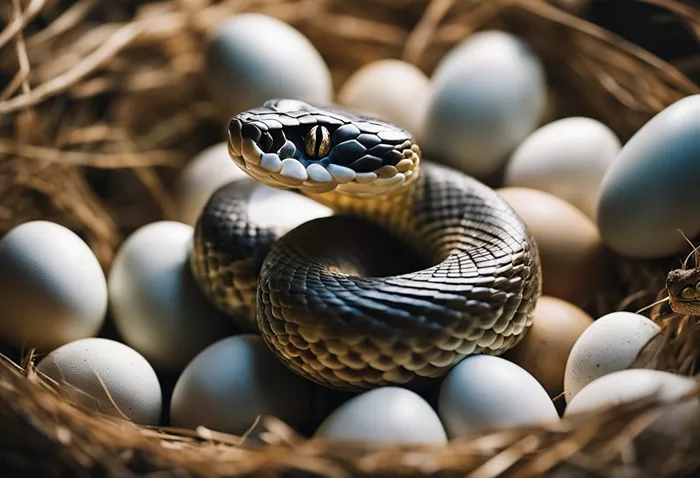
Have you ever wondered how snakes bring new life into the world? The idea of snakes and their mysterious ways of reproduction can be both intriguing and puzzling. Are they like birds, laying eggs, or do they have a completely different method of bringing offspring into the world? If you’ve been curious about this subject, you’re not alone. Let’s take a deep dive into the world of snake reproduction and explore the different ways these fascinating creatures give birth.
The Basics: Do Snakes Lay Eggs?
To start, yes, many snakes do lay eggs. But it’s not as simple as just laying eggs. Snake reproduction is incredibly diverse, with a mix of egg-laying species and live-bearing ones. This process largely depends on the species, the environment, and evolutionary adaptations.
The majority of snakes, however, are oviparous, meaning they lay eggs. Some of the most well-known egg-laying snakes include the ball python, king cobra, and the corn snake. These snakes lay eggs that will hatch outside the mother’s body. When conditions are right—warmth, humidity, and safety—the eggs eventually hatch into tiny baby snakes that wriggle their way into the world.
However, not all snakes lay eggs. There are viviparous snakes, like garter snakes and vipers, which give birth to live young. This means they don’t lay eggs, but instead, the babies develop inside the mother’s body and are born live. The different methods of reproduction are a result of evolutionary adaptations that help snakes survive in various environments.
Egg-Laying Snakes: The Fascinating Process
How Do Egg-Laying Snakes Reproduce?
Egg-laying snakes typically reproduce during specific seasons, often in the spring. Here’s a step-by-step breakdown of how it works:
Mating: During the mating season, male snakes use a special reproductive organ called a hemipenis to fertilize a female. Most snake species are sexual dimorphic, meaning males and females have distinct differences in size and shape. The mating process varies, but generally, the male will court the female by moving alongside her and attempting to align his hemipenis with her reproductive tract.
Egg Formation: After successful mating, the female snake’s body begins to produce eggs. Unlike mammals, female snakes don’t carry fertilized eggs internally for long periods. Instead, the eggs start developing inside the female’s body, but they remain in a soft shell until the mother lays them.
Egg Laying: Once the eggs are fully developed, the female will find a safe, hidden spot to lay them. The location is crucial—snakes often seek out warm, humid environments that are perfect for incubating the eggs. The mother will lay anywhere from a few to over 30 eggs, depending on the species.
Incubation: After laying the eggs, the mother will typically leave them to incubate on their own. Some species, like the king cobra, may stay nearby to guard the eggs, but most snakes will not remain with their eggs after laying. The temperature and humidity of the environment are the key factors that determine how long the eggs take to hatch.
Hatching: The eggs will hatch when the baby snakes are fully developed. This can take anywhere from a few weeks to several months. The baby snakes, called hatchlings, will use a special egg tooth to break open the shell and emerge. The mother typically does not care for the babies after they hatch—they must fend for themselves from the moment they are born.
Live-Bearing Snakes: Not All Snakes Lay Eggs
While many snakes lay eggs, there is a group of species that give birth to live young. These viviparous snakes carry the fertilized eggs inside their bodies, where the young develop and are nourished directly by the mother. The development occurs through a method known as ovoviviparity, where the eggs hatch inside the mother’s body before the babies are born.
How Do Live-Bearing Snakes Reproduce?
Mating: Similar to egg-layers, male snakes use their hemipenis to fertilize the female. In some species, males engage in intense combat for the right to mate, with larger males typically winning the fight.
Internal Development: After fertilization, the eggs remain inside the female’s body. Instead of being laid externally, the embryos develop inside the mother’s body, receiving nourishment from a yolk sac.
Live Birth: After a gestation period of several months, the babies are born alive. Unlike mammals, however, there is no placenta. Instead, the babies are nourished by the yolk sac inside the mother.
Independence from Birth: Similar to egg-laying snakes, the live-born young are independent from birth. They will immediately start hunting for food and attempting to find shelter in their environment.
Factors Influencing Snake Reproduction
Several factors can influence how snakes reproduce and how successful their reproductive efforts are:
Temperature: Temperature plays a critical role in the development of both eggs and embryos. Snake eggs need warmth to incubate, and if the temperature is too low, they may not hatch. Likewise, in viviparous species, warm environments support faster development of embryos.
Humidity: Humidity is also essential for egg development. If the environment is too dry, the eggs may dehydrate and die before they hatch.
Predators: Snake eggs and hatchlings are often vulnerable to predators. To protect their offspring, many species lay eggs in hidden, secure locations like burrows, under logs, or in dense vegetation.
Food Availability: Snakes need to be well-fed and healthy to produce viable eggs or support live young. A snake in poor health may struggle to reproduce successfully.
Interesting Snake Reproduction Facts
Egg Incubation Periods: The incubation period for snake eggs can vary widely, depending on the species and environmental conditions. Some species require just a few weeks for the eggs to hatch, while others may take several months.
Multiple Mating Partners: Female snakes often mate with multiple males during the breeding season. This can result in a clutch of eggs containing offspring from different fathers, which is known as sperm storage.
Cold-Blooded Parenting: Since snakes are cold-blooded, they rely on the external temperature to regulate their body temperature and, therefore, the development of their eggs. In colder climates, egg-laying snakes may need to find particularly warm spots to lay their eggs, ensuring successful hatching.
Snake Egg Teeth: Hatchling snakes have an interesting adaptation—a tiny tooth called an egg tooth. This special tooth helps them break through the eggshell and enter the world. The egg tooth falls off shortly after hatching.
Conclusion
So, do snakes lay eggs? Yes, most snakes do, but not all. The method of reproduction varies depending on the species. Whether they lay eggs or give birth to live young, snakes have developed remarkable strategies to ensure the survival of their offspring. Their reproductive methods are as diverse and fascinating as the creatures themselves.
Related topics: