
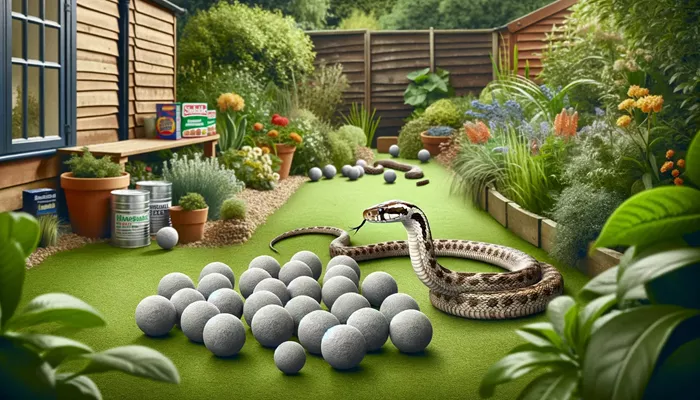
Snakes are fascinating reptiles that play an important role in many ecosystems. However, their presence near human homes often causes fear and concern. Many people want to keep snakes away from their yards, gardens, or homes. One common method people try is using mothballs as a snake repellent. But does this method really work? In this article, we will explore the science and facts behind the use of mothballs for keeping snakes away.
We will discuss what mothballs are, how snakes sense their environment, the effects mothballs have on snakes, and safer alternatives for managing snakes around your property. By understanding these points, readers will gain a clear idea about whether mothballs are an effective and safe solution for snake control.
What Are Mothballs?
Mothballs are small balls or pellets made from chemicals designed to repel or kill moths and other insects that damage clothing and fabrics. The main chemicals in mothballs are naphthalene or paradichlorobenzene. These chemicals slowly vaporize, releasing a strong smell that is toxic to many insects and pests.
Originally, mothballs were created to protect wool, silk, and other natural fibers from moth larvae. Over time, people started using mothballs for other purposes, such as repelling rodents, snakes, and other unwanted animals.
It is important to know that mothballs are pesticides. They are not meant to be used outdoors or around living animals except for specific applications approved by regulatory authorities.
How Do Snakes Detect Their Environment?
Snakes rely heavily on their senses to navigate, hunt, and avoid danger. Understanding how snakes perceive their surroundings helps explain why some repellents might or might not work.
Smell and Chemical Detection
Unlike mammals, snakes do not have a strong sense of smell through their nostrils. Instead, they use a special organ called the Jacobson’s organ, or vomeronasal organ, located on the roof of their mouth. Snakes flick their tongue to collect chemical particles from the air and then transfer these particles to the Jacobson’s organ for analysis. This system allows snakes to detect prey, predators, and environmental cues.
Heat Sensing
Some snakes have heat-sensitive pits on their faces that help detect warm-blooded prey, especially in low light. This is especially true for pit vipers, pythons, and boas.
Vision and Touch
Snakes also use their eyesight and body vibrations to sense movement and threats nearby.
Knowing these sensory methods clarifies that chemicals with strong odors might be detected by snakes. However, whether these odors cause snakes to avoid an area depends on the chemical’s nature and the snake’s behavior.
Do Mothballs Repel Snakes?
Many people believe that the strong smell of mothballs repels snakes. It is true that mothballs release toxic fumes that can be irritating or harmful to snakes and other animals. However, this does not mean mothballs effectively keep snakes away from an area.
Scientific Evidence
Research on the effectiveness of mothballs as snake repellents is limited. Most wildlife experts and herpetologists do not recommend mothballs for snake control. The main reasons are:
Snakes do not always avoid the smell. Some snakes may tolerate or ignore the chemicals, especially if there is food or shelter available nearby.
Mothballs are toxic. The chemicals in mothballs can harm snakes, pets, humans, and the environment. Using them outdoors can cause health hazards.
Illegal usage. Many places have laws against using mothballs outdoors or in ways that can harm wildlife or contaminate soil and water.
Behavior of Snakes Around Mothballs
Some anecdotal reports suggest mothballs might temporarily deter snakes due to the strong smell. But this effect is often inconsistent and short-lived. Snakes tend to return once the mothballs lose potency or when attracted by prey such as rodents.
Additionally, if mothballs are placed in one small area, snakes may simply avoid that spot and find other places nearby to hide or hunt.
Risks to Other Animals and Humans
Mothballs contain chemicals that are harmful to many forms of life. Pets such as dogs and cats can be poisoned by ingesting mothballs or inhaling fumes. Small children are also at risk if they come in contact with these toxic pellets.
Environmental contamination is another concern. Mothballs can leach chemicals into soil and groundwater, affecting plants, insects, and beneficial microorganisms.
For these reasons, experts strongly discourage using mothballs as a snake repellent around homes and gardens.
Safer and More Effective Ways to Keep Snakes Away
Instead of using mothballs, there are better methods to discourage snakes from entering your property. These methods focus on modifying the environment to make it less attractive or accessible to snakes.
Remove Food Sources
Snakes often come near homes in search of food such as rodents, frogs, or insects. Reducing these food sources can help reduce snake presence. This involves:
−Keeping trash bins sealed
−Controlling rodent populations
−Removing bird feeders that attract rodents
Eliminate Shelter
Snakes seek shelter in tall grass, piles of wood, rocks, or debris. Maintaining a clean yard and removing potential hiding spots can discourage snakes from settling nearby.
Secure Entry Points
Seal gaps under doors, foundations, or crawl spaces where snakes might enter buildings. Installing door sweeps and screens helps prevent snake intrusion.
Use Physical Barriers
Fencing made of fine mesh or hardware cloth buried a few inches underground can create effective barriers to keep snakes out of gardens or yards. The fence should be angled outward to prevent climbing.
Natural Repellents
Some natural substances are believed to deter snakes, such as sulfur, clove oil, or cinnamon oil. These may have mild repellent effects, but scientific evidence is limited.
Professional Removal
If you frequently see snakes or have venomous species nearby, contacting wildlife control professionals is the safest solution. Experts can identify species and safely remove snakes without harming them or risking human health.
Why Using Chemicals Like Mothballs Is Not Recommended
Using toxic chemicals such as mothballs in the environment carries several risks. Beyond the questionable effectiveness for snakes, these chemicals cause:
−Health hazards to pets and humans through inhalation or accidental ingestion
−Environmental pollution affecting soil and water quality
−Harm to non-target wildlife including beneficial insects, amphibians, and birds
−Legal issues in many jurisdictions for improper pesticide use
As a zoologist, I advise against the use of mothballs outdoors or for wildlife control. Safer, more natural, and more environmentally responsible methods exist to manage snakes and reduce conflict.
Understanding Snake Behavior for Better Management
To effectively coexist with snakes and minimize unwanted encounters, understanding their behavior is key.
−Snakes usually avoid humans and are not aggressive unless threatened.
−They enter yards searching for food, water, or shelter.
−Most snakes are beneficial, controlling rodent populations.
−Removing attractants is the best long-term strategy.
Education about local snake species, their habits, and habitats reduces fear and helps communities protect both themselves and wildlife.
Conclusion
Mothballs do not reliably keep snakes away. While their strong chemical smell might cause temporary avoidance, this method is neither effective nor safe. The toxic components in mothballs can harm snakes, pets, humans, and the environment.
Instead of using mothballs, people should focus on habitat modification, removing food and shelter, sealing entry points, and using physical barriers to reduce snake presence. When necessary, professional wildlife experts should be consulted for safe removal or management.
By understanding snake biology and behavior, homeowners can peacefully coexist with these important reptiles while minimizing unwanted encounters.
Related topics: