
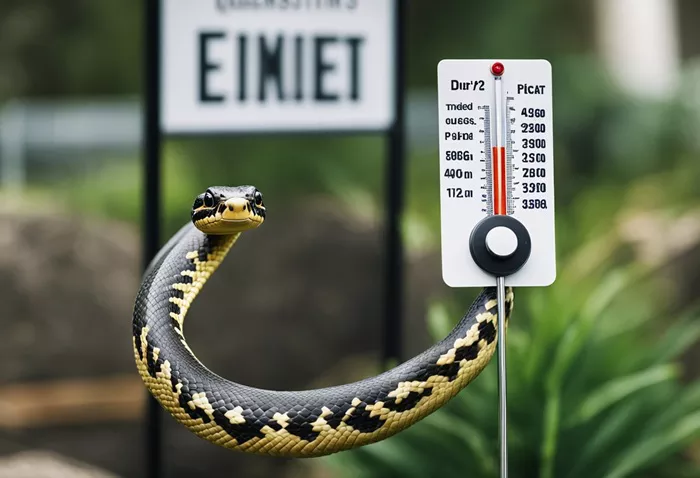
Snakes are fascinating creatures that spark curiosity among people worldwide. One of the most common questions about snakes, especially among those who are unfamiliar with reptiles, is whether they are cold-blooded. The term “cold-blooded” is often used to describe animals that rely on external sources of heat to regulate their body temperature. However, to understand whether snakes fit this description, we must delve into their physiology, behavioral adaptations, and ecological interactions.
In this article, we will explore the concept of cold-bloodedness, or ectothermy, in detail. We will look at how snakes regulate their body temperature, their unique physiological adaptations, and the overall implications of being cold-blooded for their survival and behavior. By the end of this article, you will have a clear understanding of the term “cold-blooded” and how it applies to snakes.
What Does “Cold-Blooded” Really Mean?
The term “cold-blooded” is a layman’s term often used to describe animals whose body temperature is influenced by the temperature of their environment. However, this term can be misleading, as it implies that such animals are “cold” or lack warmth. In biological terms, the proper term for these animals is “ectothermic.”
Ectothermic animals are unable to regulate their body temperature internally like warm-blooded animals (endotherms). Instead, they rely on external environmental conditions to maintain a body temperature that is optimal for their physiological functions. This means that when the surrounding temperature is cold, their body temperature drops, and when it is warm, their body temperature rises.
For ectothermic animals like snakes, being cold-blooded is not a disadvantage. Rather, it is an evolutionary adaptation that has helped them survive and thrive in a variety of environments. However, it does present certain challenges, especially in extreme temperatures.
How Do Snakes Regulate Their Body Temperature?
Unlike mammals and birds, which can generate heat through metabolic processes, snakes do not have the ability to produce heat internally. As a result, they must depend on their surroundings to regulate their body temperature. Snakes employ several behavioral and physiological strategies to achieve the proper body temperature for their survival.
Basking Behavior: One of the primary ways snakes regulate their body temperature is by basking in the sun. When a snake is too cold, it will seek out sunny spots, such as rocks or open areas, to absorb heat. This process raises the snake’s body temperature, allowing its muscles and organs to function properly. The warmth from the sun is absorbed through the snake’s skin, increasing its internal body temperature.
Seeking Shade: On the other hand, when the snake becomes too warm, it will move into shaded areas to cool down. Snakes are known to retreat to burrows, crevices, or dense vegetation to escape the heat. These cooler environments help lower their body temperature, preventing overheating and heat stress.
Behavioral Thermoregulation: Snakes are also capable of fine-tuning their body temperature by moving between different microhabitats. By adjusting their position in relation to the sun or shade, they can maintain a stable and comfortable temperature. This form of behavioral thermoregulation is a critical aspect of snake survival, particularly in environments with fluctuating temperatures.
Metabolic Rate: While snakes cannot regulate their body temperature internally, they can influence their metabolism. A snake’s metabolic rate increases with higher temperatures, allowing it to digest food more efficiently. Conversely, when temperatures drop, their metabolism slows down, allowing them to conserve energy. This slowing of metabolism is especially important for survival in colder climates, as snakes do not need to eat as frequently during the colder months.
What Are the Implications of Being Cold-Blooded?
Being cold-blooded has several consequences for snakes, both in terms of their behavior and their physiology. Let’s explore the advantages and disadvantages of being ectothermic.
Advantages:
Energy Efficiency: One of the primary benefits of being cold-blooded is that snakes require far less energy than warm-blooded animals. Since they do not need to generate their own heat, they do not have to consume as much food. This energy efficiency is particularly advantageous in environments where food is scarce.
Adaptation to Harsh Environments: Cold-bloodedness allows snakes to survive in a wide range of environments, from deserts to rainforests. In hot climates, they can take advantage of the sun to warm up their bodies, while in cooler environments, they can remain dormant or hibernate during the winter months. This adaptability allows snakes to inhabit diverse ecosystems across the globe.
Survival in Low-Resource Environments: Snakes can live in areas where other animals might struggle to survive. In places where food is scarce, their low energy requirements allow them to survive on less food for extended periods. This makes them highly resilient in areas with limited resources.
Disadvantages:
Vulnerability to Temperature Fluctuations: While being cold-blooded provides energy efficiency, it also means that snakes are highly vulnerable to changes in temperature. If the weather becomes too cold, they may enter a state of brumation (a type of hibernation), where their metabolism slows down significantly. This can make it difficult for them to hunt, digest food, or escape predators.
Limited Activity in Extreme Temperatures: In very cold conditions, snakes may become lethargic or even unable to move. In freezing temperatures, snakes may be at risk of death if they cannot find a suitable place to warm up. This is why most snakes are found in regions with moderate to warm climates.
Dependence on External Factors: Since snakes rely on external factors to regulate their body temperature, their ability to function properly is directly tied to their environment. If they live in an area with fluctuating temperatures or extreme weather conditions, it can be challenging for them to maintain a stable body temperature. This makes their survival more precarious compared to warm-blooded animals that can adapt to a wider range of temperatures.
Are All Snakes Cold-Blooded?
While most snakes are indeed cold-blooded, there are some exceptions. Certain species of snakes have evolved unique adaptations that allow them to survive in conditions that would typically be inhospitable to ectothermic animals.
For example, the temple viper (Tropidolaemus wagleri) of Southeast Asia has been found to exhibit some degree of thermoregulation in certain microhabitats. Some researchers believe that certain species of snakes may have evolved mechanisms that help them maintain a more stable body temperature in cooler climates.
Additionally, some species of snakes, such as the gopher snake, have been observed exhibiting behaviors that allow them to regulate their temperature more efficiently than others. These behaviors may include selecting warmer basking spots or seeking shelter when the temperature is too high.
The Evolution of Cold-Bloodedness in Snakes
The evolution of cold-bloodedness in snakes can be traced back to their ancient ancestors. Early reptiles, including the ancestors of modern snakes, were ectothermic, much like their modern counterparts. Over millions of years, snakes have evolved various adaptations to help them survive in a range of environmental conditions.
The development of ectothermy allowed early reptiles to conserve energy and thrive in diverse habitats. It also enabled them to exploit ecological niches that other animals, especially warm-blooded ones, could not access. As snakes diversified into various species, they adapted to their environments by evolving unique hunting strategies, reproductive behaviors, and physical characteristics.
Conclusion: The Cold-Blooded Nature of Snakes
In conclusion, snakes are indeed cold-blooded, or more accurately, they are ectothermic. This means that their body temperature is regulated by external environmental factors rather than internal metabolic processes. While being cold-blooded offers several advantages, such as energy efficiency and adaptability to diverse habitats, it also comes with certain challenges, especially in extreme temperatures.
Snakes rely on behavioral thermoregulation, such as basking in the sun and seeking shade, to maintain an optimal body temperature. They are also vulnerable to fluctuations in temperature, which can affect their ability to hunt, reproduce, and survive in harsh conditions.
Despite these challenges, the cold-blooded nature of snakes has allowed them to thrive in a wide range of ecosystems, from deserts to rainforests. Their unique physiology and behavioral adaptations have made them one of the most successful and diverse groups of reptiles on the planet.
By understanding the concept of cold-bloodedness and how it applies to snakes, we gain a deeper appreciation for the complexities of reptilian life and the incredible adaptations that allow these creatures to survive in the natural world.
Related topics: