
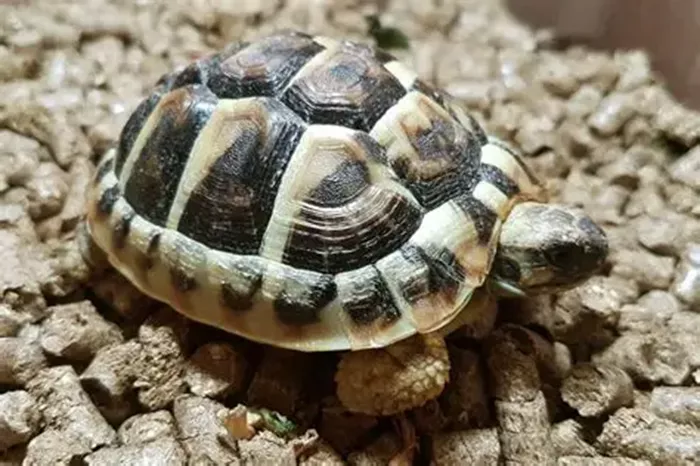
Have you ever wondered if your Hermann tortoise is truly a Mediterranean animal? Maybe you’ve seen their love for the sun or noticed their behavior changes when it gets too cold. Or perhaps you’ve read that they come from Europe but aren’t sure where exactly they fit in nature. This article is your complete answer. And yes—Hermann tortoises are Mediterranean reptiles, but there’s a lot more to that story. Let’s dive in.
Introduction: What Does “Mediterranean” Even Mean?
Before we jump into biology, let’s clear up a basic but important question. When people say a species is “Mediterranean,” they’re not just naming a sea or a vacation spot. In biology, a Mediterranean animal is one that originates from, or is naturally found in, the countries surrounding the Mediterranean Sea—including parts of southern Europe, northern Africa, and the Middle East. This region has hot, dry summers and mild, rainy winters. Think olives, grapes, and sun—lots of sun.
Now, how does the Hermann tortoise fit into this picture? To answer that, we’ll explore its origins, habitat, lifestyle, and how its body has adapted to Mediterranean life.
Where Do Hermann Tortoises Come From?
Let’s start with geography. Hermann tortoises (Testudo hermanni) are native to southern Europe, mainly:
Italy
France
Spain
Croatia
Greece
These countries border the Mediterranean Sea and have a typical Mediterranean climate. That alone gives us a big clue. These tortoises didn’t end up in those areas by accident—they evolved there. Their biology, behavior, and even their mood swings (yes, really!) are deeply tied to the rhythms of this region.
So yes, if you’re caring for a Hermann tortoise, you’re basically hosting a little piece of the Mediterranean in your backyard or terrarium.
Climate: Built for Sun and Shade
Hermann tortoises thrive in warm temperatures and plenty of sunlight. Why? Because they’re cold-blooded. This means they can’t regulate their body temperature the way you and I do. Instead, they rely on the warmth of the sun. When it gets chilly, their metabolism slows down dramatically.
The Mediterranean region has:
Hot summers, where temperatures often exceed 85°F (29°C)
Mild winters, rarely dipping below 40°F (4°C) in coastal areas
Dry conditions, with sparse rain for many months
This suits Hermann tortoises perfectly. They’re sun-lovers by nature, basking to warm up and hiding under rocks or in burrows when it gets too hot.
Here’s a fun comparison: if the Mediterranean climate were a restaurant, it would serve warm toast with a drizzle of rain on the side—ideal for a tortoise that likes its world warm but not soaking wet.
Why Sunlight Matters: The UVB Connection
If you’ve ever owned a Hermann tortoise or plan to, you’ve probably heard of UVB lighting. But what’s the big deal?
Here’s the simple truth: UVB lamps are like artificial sunlight for reptiles, and they’re essential if your tortoise lives indoors. In the wild, Hermann tortoises absorb UVB rays from natural sunlight. This helps them produce vitamin D3, which in turn allows them to absorb calcium. Without enough UVB, their bones become weak.
That condition has a long name—metabolic bone disease, or MBD for short. It’s a common reptile illness caused by calcium deficiency and poor UVB exposure. Think of MBD like osteoporosis for tortoises. Their shells soften, their limbs weaken, and their growth stunts. It’s heartbreaking—and preventable.
So, if you want your Mediterranean buddy to stay healthy, UVB is a non-negotiable part of their care. Even better? Let them roam outdoors under natural sunlight, safely of course.
Natural Habitat: A Dry Forest Life
Unlike sea turtles or swamp-dwelling cousins, Hermann tortoises prefer dry, open woodlands, scrublands, and rocky hillsides. Picture a sunny forest trail in southern France or a vineyard edge in Italy. That’s their playground.
These habitats have:
Low shrubs and grasses for hiding
Rocky terrain for basking and shelter
Sparse tree cover that lets in sunlight
Dry soil for digging
This type of environment keeps them safe from predators while giving them access to everything they need—warmth, food, and shelter.
So yes, they’re Mediterranean—but more specifically, they’re dry-forest Mediterranean, not swamp or desert creatures. That’s important when designing a home for them in captivity.
Behavior Patterns: Seasonal Shifts Just Like the Mediterranean
Ever notice your Hermann tortoise getting sleepy or less active in the cooler months? That’s no accident. They follow seasonal rhythms, just like their native habitat.
Summer
They’re super active! You’ll see them exploring, basking, and eating like little tanks. This is when they store up energy.
Autumn
They start slowing down, preparing for their version of hibernation—brumation. It’s like nature hitting the pause button.
Winter
In the wild, they burrow underground and go still for weeks or months. In captivity, they’ll do the same if temperatures drop.
Spring
Boom! They’re awake, hungry, and ready to mate. It’s like a tortoise version of spring cleaning and dating season rolled into one.
Their behavior tells you that they’re deeply attuned to Mediterranean seasons. Even if they live in your apartment in Tokyo or a backyard in Texas, their instincts still follow their roots.
Food: Eating Like a Mediterranean Herbivore
Hermann tortoises are plant-eaters through and through. They enjoy a herbivorous diet—just like many Mediterranean humans, who thrive on veggies, fruits, and herbs.
In the wild, their meals include:
Dandelion greens
Clover
Thistles
Chicory
Flowers
In captivity, you can offer similar leafy greens. Avoid too much fruit—it’s like candy for them and can cause digestive problems. And never feed them animal protein.
Their digestive systems are slow but efficient, perfectly tuned for high-fiber, low-protein diets common in the Mediterranean wildlands.
Water Needs: A Tortoise in a Dry Land
Even though they’re from a dry region, Hermann tortoises still need access to fresh water. It’s a common myth that tortoises can go without water just because they live in dry climates.
In the wild, they drink morning dew or rain puddles. In captivity, offer a shallow dish. You may not always see them drink, but hydration supports their digestion, kidney function, and shell health.
Think of water like oil in a car engine—it may not be visible at all times, but it’s absolutely essential.
Hibernation: Just Like a Bear—But Smaller
Yes, Hermann tortoises hibernate—or more accurately, they brumate. That’s the reptile version of hibernation. They slow down their breathing, stop eating, and burrow into a quiet spot to sleep through the winter months.
This is deeply connected to their Mediterranean roots, where winters are too cold for them to stay active but not cold enough to kill them.
If you’re raising a Hermann tortoise in captivity, brumation is optional but beneficial for their long-term health. You just have to simulate the temperature drop and keep them in a safe, monitored space.
Adaptations: The Mediterranean Blueprint
From head to tail, Hermann tortoises are built for Mediterranean life. Here are some amazing features:
Hard domed shell for protection against predators and rocky environments.
Strong limbs for digging and climbing.
Sharp beak for munching tough plants.
Dark-colored scales that absorb heat faster in the sun.
These aren’t just cute design choices. Every part of them screams “I belong in southern Europe!”
Threats in the Mediterranean: It’s Not All Sunshine
Despite being native to this region, Hermann tortoises are under threat. The IUCN Red List classifies them as Near Threatened.
The biggest dangers include:
Habitat destruction from farming, fires, and urban development.
Illegal pet trade, which removes them from their natural homes.
Climate change, which can throw off their seasonal behavior.
This reminds us that being a Mediterranean species doesn’t mean being invincible. These tortoises need our help.
How You Can Support a Mediterranean Life for Your Tortoise
If you’re a tortoise parent or planning to become one, your goal should be simple: replicate a slice of the Mediterranean in your pet’s enclosure. That means:
A warm, dry habitat with basking spots
UVB lighting or outdoor access
Mediterranean-style diet
Seasonal temperature changes, if possible
Space to explore and burrow
With these care choices, you’re not just keeping a tortoise alive—you’re helping them thrive, just like they would under the sunny skies of Italy or Greece.
Conclusion
So, are Hermann tortoises Mediterranean? Absolutely. 100%. No doubt.
But it’s more than a label. Their biology, their instincts, their daily life—all reflect a deep connection to the Mediterranean world. If you understand this, you can give your tortoise the best care possible. And trust me, they’ll thank you in their own quiet, shelled way.
Raising a Hermann tortoise isn’t just owning a pet—it’s bringing a little piece of ancient European nature into your life. Isn’t that amazing?
Related topics: