
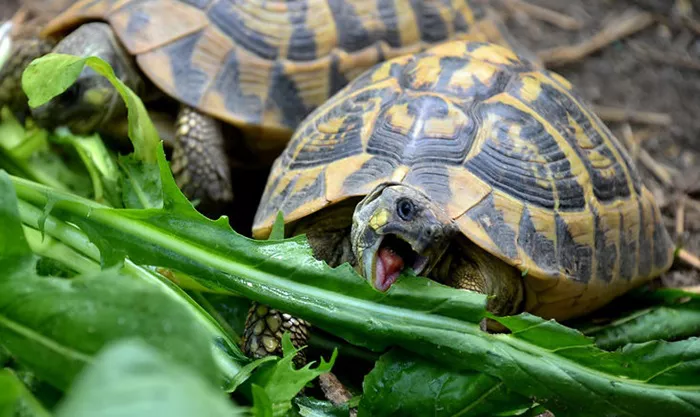
Have you ever watched your Hermann tortoise nibble on a dandelion leaf and wondered, “Would it eat anything else?” You’re not alone. Many tortoise owners and animal lovers are curious about what these gentle, slow-moving reptiles really eat. Some people even assume they can share bits of fruit, veggies, or leftovers with their tortoise—just like they would with a dog. But wait—are Hermann tortoises omnivores?
This simple question opens the door to a fascinating exploration of reptile biology, natural behavior, and responsible pet care. In this article, we’ll take a deep dive into what Hermann tortoises eat in the wild, how their digestive systems work, and why the wrong diet can lead to serious health issues. We’ll clear up common myths and give you tips that are both science-based and easy to apply.
Let’s unravel this mystery together—and make sure your shelled companion lives a long, happy life.
What Does “Omnivore” Even Mean?
Before we get into the heart of the question, let’s clarify what being an “omnivore” means. An omnivore is an animal that eats both plant and animal matter. Think of raccoons or pigs—they eat everything from berries to insects to bits of meat. Some reptiles, like certain types of turtles and lizards, also fall into this category.
So, if your Hermann tortoise were an omnivore, it would naturally consume not just plants, but also bugs, worms, or even small dead animals. Now the big question is—does it?
Where Do Hermann Tortoises Come From?
To understand what a Hermann tortoise should eat, we need to know where it comes from. Native to the Mediterranean regions of southern Europe, these tortoises are found in countries like Italy, Greece, and parts of the Balkans. They live in dry, scrubby habitats with rocky outcrops, grassy fields, and sparse woodlands.
In the wild, there are no supermarkets, of course—so their diet is shaped by what’s available in the environment. That environment is dry, plant-rich, and very low in animal protein.
Natural Diet of Hermann Tortoises
Here’s the answer you’ve been waiting for: Hermann tortoises are not omnivores. They are strict herbivores.
In their natural habitat, their diet consists almost entirely of:
Grasses
Wildflowers
Leafy weeds
Succulent plants
Certain herbs and shrubs
They may occasionally accidentally ingest a small insect or worm while grazing, but this is rare and not intentional. It’s more like you eating a bug by mistake while eating a salad—not a planned snack!
So, in a nutshell: Hermann tortoises are plant-eaters through and through.
Why a Plant-Only Diet Matters
You might be thinking, “But what if I give mine a bit of meat or egg? Protein’s good, right?” Unfortunately, not in this case.
Tortoises have a specialized digestive system that’s built to break down tough plant fibers. When you feed them animal products, their system struggles to digest the fats and proteins. Over time, this can lead to:
Liver and kidney damage
Shell deformities
Obesity
Shortened lifespan
Think of their digestive system as a slow-cooking compost bin, not a frying pan. It’s built for greens, not steaks.
Hermann Tortoises and Protein: The Hidden Danger
Let’s talk about one of the most common mistakes: feeding too much protein.
Some people think they’re doing their tortoise a favor by offering high-protein foods like dog kibble, beans, or even cat food. Others give too many legumes or peas.
But here’s what happens: the excess protein speeds up abnormal growth, particularly of the shell. This leads to a condition called pyramiding, where the shell becomes bumpy and uneven. It looks strange—and it’s a red flag for deeper internal problems.
Long-term protein overload can also result in MBD (metabolic bone disease), a common reptile disease caused by calcium deficiency, especially when the calcium-phosphorus ratio in the diet is unbalanced.
So, What Should You Feed Your Hermann Tortoise?
Great question—and it’s one that every responsible owner should ask. Think of your tortoise’s diet like a salad bar, not a buffet table.
Here’s a healthy, natural list of daily staples:
Dandelion greens
Plantain leaves (the weed, not the banana-like fruit!)
Clover
Thistle
Hibiscus leaves and flowers
Sow thistle
Mulberry leaves
And here’s a rule of thumb: The darker the leaf, the better it is—because it usually means more calcium and fiber.
Can You Give Fruits? Occasionally—But Be Careful
Fruits contain sugar, and too much sugar can lead to gut imbalances, yeast infections, and diarrhea. That doesn’t sound fun for your tortoise—or for you.
If you do give fruit, do it sparingly. Think of it as a birthday cake—once in a while, not every day. Safe options include:
A small piece of strawberry
A slice of apple
A little bit of watermelon
But again, no citrus! It’s too acidic.
What Foods Should You Avoid Completely?
Let’s be clear: some foods are downright dangerous. Avoid giving your Hermann tortoise:
Animal protein (meat, eggs, dairy, insects)
Dog or cat food
Bread or pasta
Spinach and rhubarb (they block calcium absorption)
Iceberg lettuce (too watery, almost no nutrients)
Processed or seasoned food
These can cause long-term harm, even if the tortoise seems to like them.
UVB, Calcium, and Sunlight: Why They Matter
Even with the best diet, your tortoise needs help absorbing calcium. That’s where UVB lighting comes in.
UVB lamps are like “artificial sunlight” for reptiles, helping them synthesize vitamin D3. And guess what? Vitamin D3 is essential for absorbing calcium from food. Without it, even the most perfect salad will be useless.
If your tortoise lives indoors or only gets filtered sunlight through glass (which blocks UVB), it must have a UVB lamp. Aim for 10-12 hours of light daily, and replace the bulb every 6–12 months.
What Happens If a Hermann Tortoise Eats Meat by Mistake?
Let’s say your curious little tortoise nibbled a piece of cat food you dropped. What now?
First, don’t panic. One accidental bite won’t kill it. But keep a close eye for any changes in behavior, poop consistency, or appetite. If the tortoise seems bloated, lethargic, or stops eating, call a reptile vet.
In general, occasional exposure won’t do major harm—but repeated feeding of animal products will.
Is a Varied Diet Important? Absolutely—But Keep It Plant-Based
Just like us, tortoises benefit from variety. Different plants contain different nutrients. If you only feed one kind of green, your tortoise might miss out on essential vitamins and minerals.
Rotate different safe plants throughout the week. You can even grow a tortoise-friendly garden. It’s a fun, cost-effective way to keep them healthy and engaged.
What About Supplements? Do You Need Them?
Yes, especially for indoor tortoises. Even with a great diet, they may still need calcium powder (without vitamin D3 if they have UVB lighting, or with D3 if they don’t). Lightly dust their food 2–3 times a week.
But skip the multivitamins unless a vet recommends them. Over-supplementing can be as bad as under-supplementing.
Bonus: Real Stories from Tortoise Keepers
You’re not alone in navigating tortoise care. In a 2022 survey of 1,500 tortoise owners conducted by ReptileCare.org, over 63% didn’t know that animal protein was harmful to Hermann tortoises. That’s a big number!
One owner shared:
“I used to feed my Hermann a boiled egg once a week because someone on a forum suggested it. After a year, his shell started to deform. I felt awful. Luckily, with a vet’s help and a corrected diet, he’s now thriving again.”
These stories remind us: education saves lives—literally.
Conclusion
Taking care of a Hermann tortoise doesn’t have to be overwhelming. Here’s how to keep it simple:
Think “salad bar,” not “meat market.”
Use UVB lighting like “artificial sunlight.”
Offer variety, but keep it leafy.
Skip the animal stuff, no matter how curious your tortoise is.
By following these guidelines, you’re giving your tortoise the best shot at living 50, even 80 years! That’s a lifetime of healthy grazing—and happy memories with you.
Related topics: