
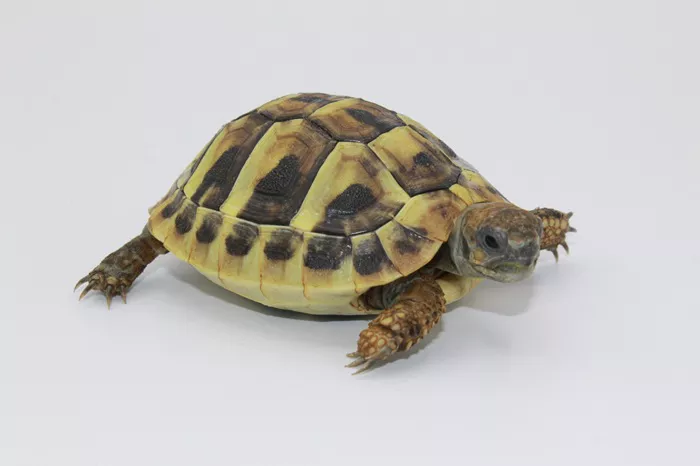
You’ve probably seen a Hermann tortoise and thought, “What a calm and gentle creature.” They’re charming, slow-moving, and often kept as adorable reptile pets. But here’s the burning question that concerns many pet owners, especially those with kids: Do Hermann tortoises carry salmonella?
It might surprise you, but yes, they can. And while this fact might sound alarming, it doesn’t mean you should panic or get rid of your tortoise. Understanding how and why they carry this bacteria — and what you can do about it — is the first step to keeping both your pet and your household safe.
In this article, we’ll take a deep dive into the relationship between Hermann tortoises and salmonella, breaking down complex scientific facts into clear, friendly explanations. You’ll learn how the bacteria works, how it’s transmitted, how common it is, and most importantly — how you can protect yourself and your family without giving up on your shelled buddy.
What Is Salmonella? Let’s Break It Down
Before diving into the tortoise connection, let’s first understand what salmonella actually is.
Salmonella is a type of bacteria that lives in the intestines of many animals, including reptiles, birds, and mammals. It’s not always harmful to the animals themselves. In fact, most reptiles, including Hermann tortoises, can carry salmonella without showing any signs of illness at all.
Think of salmonella like a “hitchhiker” that doesn’t bother the tortoise but might cause trouble if it gets passed to humans.
When humans get infected with salmonella, it usually happens through accidental ingestion — that is, touching something contaminated (like your tortoise’s skin, poop, or enclosure) and then touching your mouth, face, or food without washing your hands properly.
Why Do Tortoises Carry Salmonella in the First Place?
Here’s where things get interesting.
Reptiles, including Hermann tortoises, have a unique digestive system and internal bacteria balance. Unlike mammals, they don’t have strong internal barriers to eliminate bacteria like salmonella. Instead, their bodies tolerate the bacteria and simply live with it.
It’s a bit like how some people can carry the cold virus and not show symptoms — they’re still contagious, even if they look and feel fine.
Hermann tortoises, especially those kept in captivity, can pick up salmonella from their environment or even from other reptiles. The bacteria live in their intestines and are passed through their droppings. From there, salmonella can spread to their skin, shell, and enclosure surfaces.
Can You Tell If a Tortoise Has Salmonella?
Unfortunately, no. There’s no outward sign that your tortoise is carrying salmonella. They don’t get a fever or act differently. Even a healthy, well-fed Hermann tortoise could be silently carrying the bacteria.
This is one reason it’s important to treat all tortoises as potential carriers — not because they’re dangerous, but because it’s better to be cautious and practice good hygiene.
In fact, a study from the CDC (Centers for Disease Control and Prevention) found that up to 90% of reptiles may carry salmonella at some point. This doesn’t mean every tortoise is a danger, but it does mean we should take the risk seriously — especially around children, elderly people, and those with weak immune systems.
How Can People Get Infected from a Tortoise?
Now you might be wondering, “How does this bacteria get from my tortoise to me?” Let’s walk through a few common ways:
Touching the tortoise: The bacteria can be on their skin, feet, or shell.
Handling their enclosure: Cleaning their tank, touching water bowls, or picking up poop without washing hands afterward.
Indirect contact: Touching something the tortoise has touched (like a counter or toy) and then touching your face or food.
It’s not about being scared of your tortoise. It’s about being smart. Just like you wouldn’t eat raw chicken without washing your hands afterward, you shouldn’t skip handwashing after handling your reptile.
What Are the Symptoms of Salmonella in Humans?
If someone catches salmonella from a tortoise, the symptoms usually appear within 6 to 72 hours. Here’s what to look out for:
Diarrhea (sometimes bloody)
Stomach cramps
Fever
Nausea or vomiting
Headache
Most people recover in about 4 to 7 days without needing special treatment. But for young children, older adults, and people with weak immune systems, the infection can be more serious and even require hospitalization.
Again, this doesn’t mean tortoises are “bad pets.” It just means you need to take the right steps to reduce risk — and we’ll show you exactly how.
How to Handle a Hermann Tortoise Safely
Here comes the good news: you can absolutely live with a Hermann tortoise and never catch salmonella — if you follow some easy rules.
Think of it like having a cat with claws. You know it can scratch, but you learn how to handle it safely. Same with tortoises and salmonella.
Here are the key tips:
−Always wash your hands after handling your tortoise, their food, or anything in their habitat. Use soap and warm water — not just hand sanitizer.
−Avoid kissing or snuggling your tortoise. Yes, we know they’re cute. But salmonella can live on their shell.
−Don’t let your tortoise roam in areas where you eat or prepare food. That means no kitchen floors, dining tables, or countertops.
−Clean their tank and accessories outside the house if possible. Avoid using kitchen sinks or bathtubs that people use.
−Teach children how to handle them properly. Make handwashing a fun routine and supervise them during interactions.
Can You Eliminate Salmonella from a Tortoise?
This is a common question. Unfortunately, you can’t “cure” a tortoise of salmonella. Antibiotics don’t work like they do for humans, and trying to eliminate the bacteria can actually harm the tortoise’s internal balance.
In fact, attempts to sterilize a tortoise often do more harm than good. The goal isn’t to kill all bacteria — it’s to live safely with the bacteria by managing your contact with it.
It’s the same idea as keeping raw meat in your fridge. You don’t need to kill the bacteria — you just handle it with care.
Are Some Tortoises More Likely to Carry Salmonella?
Salmonella doesn’t “prefer” certain tortoise species, but certain situations increase the risk:
−Young tortoises (under 4 inches long) are often more likely to spread the bacteria. That’s why the U.S. banned their sale in 1975 unless for scientific or educational purposes.
−Crowded or unclean environments can lead to higher bacterial loads.
−Tortoises kept with other reptiles may share bacteria between species.
If your Hermann tortoise is housed in a clean, well-maintained enclosure and handled properly, the risk remains low.
What If I’m Pregnant or Have Kids?
It’s a great question — and one that many parents and expecting moms ask.
The CDC advises that children under 5, pregnant women, and immunocompromised individuals should avoid handling reptiles, including tortoises. That doesn’t mean you can’t have one in the house, but you’ll want to take extra steps:
−Assign one adult to handle the tortoise.
−Limit where the tortoise goes in the home.
−Supervise any interactions carefully.
−Keep hand sanitizer nearby — and soap even closer.
Remember, the idea is to reduce direct and indirect contact — not ban the pet from your life entirely.
Is It Safe to Keep a Hermann Tortoise Indoors?
Yes, with proper care. In fact, keeping a tortoise indoors can make it easier to control the environment and limit cross-contamination.
But you need to:
−Choose a dedicated space for your tortoise (like a tortoise table or indoor pen).
−Avoid shared human spaces like bathrooms or kitchens.
−Use gloves or tools when cleaning.
−Have a routine for disinfection (mild bleach solutions can help, but rinse thoroughly).
When done correctly, keeping a Hermann tortoise indoors is just as safe as owning a hamster, bird, or cat — as long as hygiene is a priority.
Conclusion
It’s easy to feel nervous when you first learn about salmonella. But the truth is, you don’t have to fear your Hermann tortoise. You just have to understand them.
Owning a reptile comes with responsibilities, just like owning any other pet. Dogs can bite. Cats can scratch. Birds can nip. And tortoises? They might carry bacteria.
But with the right habits and knowledge, your tortoise can be a safe, enriching, and fascinating companion.
By washing your hands, keeping their environment clean, and staying informed, you’re creating a home where both humans and reptiles can thrive — safely.
So go ahead, admire your tortoise’s calm personality, enjoy their peaceful presence, and know that you’re doing a great job by staying educated.
Related topics: