
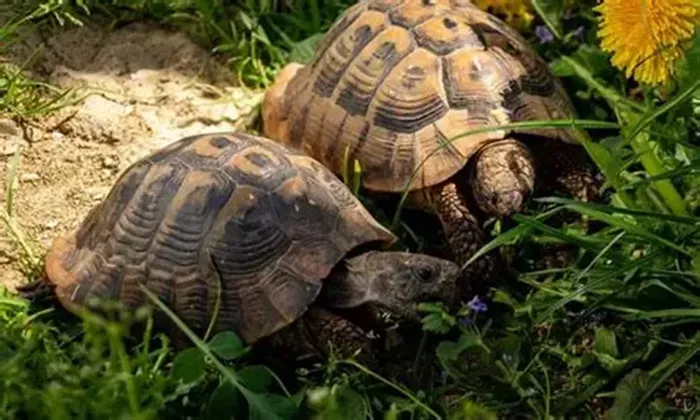
Imagine stepping into your garden in the early morning and spotting your Hermann tortoise stretching out under the dappled sunlight. It sounds ideal, right? But before you let your shelled buddy roam free, one big question looms: can Hermann tortoises safely live outside in the UK? It’s a fair concern, especially with Britain’s famously unpredictable weather. From chilly springs to wet summers and frosty autumns, the UK climate can be quite the challenge for these Mediterranean reptiles.
In this article, we’ll dig deep (like a burrowing tortoise!) into the real needs of Hermann tortoises and whether outdoor living in the UK fits their lifestyle. We’ll explore temperature needs, shelter setups, health risks, hibernation tips, and how to make your garden feel more like the sunny Mediterranean. Plus, we’ll keep things clear and friendly, just like chatting with your local vet who’s also your neighbor.
Understanding Hermann Tortoises: A Warm-Weather Reptile in a Cool Country
Hermann tortoises are small to medium-sized land tortoises originally found in southern Europe. Places like Italy, Greece, and the Balkans are their natural stomping grounds. That means they’re used to warm temperatures, lots of sunshine, and dry conditions.
In the wild, these tortoises bask in strong sunlight to regulate their body temperature. They need this warmth not just for comfort, but also to help digest food and absorb essential nutrients. Without heat and UV light, they can become sluggish, get sick, or worse.
So when you place a Hermann tortoise in the UK’s cool, cloudy climate, you’re introducing a challenge. It’s not impossible, but it takes thoughtful planning.
The UK Climate: Friend or Foe?
Let’s talk weather. The UK rarely sees Mediterranean heat. In many areas, average summer temperatures hover around 18°C to 22°C (64°F to 72°F). But Hermann tortoises generally need a basking area of around 30°C (86°F) to stay healthy.
Rain is another factor. Wet ground and constant dampness are not great for tortoises. It can lead to shell rot and respiratory infections. Plus, tortoises hate sitting in soggy conditions. Imagine having to camp in your garden with no tent during a rainy week. Not fun, right?
Creating a Safe Outdoor Habitat
That said, many UK tortoise keepers do manage to keep Hermann tortoises outdoors. But they do it with the right setup. The key? Think like a tortoise architect.
You’ll need a secure, escape-proof outdoor enclosure. Think of it as a mini fortress. Hermann tortoises are surprisingly strong and persistent diggers. They can push under fences or squeeze through small gaps if given the chance.
The enclosure should include:
Dry shelters: A tortoise house with a waterproof roof and insulation.
A basking area: This can be natural (sunny spot) or artificial using a heat lamp in a covered corner.
A UVB lamp (in a sheltered area): Remember, UVB lamps are like “artificial sunlight” that help reptiles produce vitamin D3, which is critical for absorbing calcium.
Drainage: The ground must stay dry. You can elevate areas with gravel and sand to avoid waterlogging.
Substrate: Use a mix of soil and sand to allow natural digging and burrowing behavior.
Sunlight: The Game-Changer
Sunshine is vital. Not just for warmth, but also for your tortoise’s bones. Without enough UVB rays, Hermann tortoises can develop MBD (metabolic bone disease), a common reptile disease caused by calcium deficiency.
In the UK, there may not be enough UVB from natural sunlight alone, especially outside of summer. Even if it’s bright, UVB rays don’t always reach the ground at the right strength. That’s why even outdoor tortoises sometimes need UVB lamps.
Night-Time Temperatures: The Real Test
Here’s where it gets tricky. UK nights can drop to 10°C (50°F) or lower, even in summer. That’s too cold for a Hermann tortoise. Long exposure to such temperatures can weaken their immune system and cause health issues.
To fix this, some owners use heated tortoise houses. These are like cozy cabins that stay warm when the mercury dips. Heat mats or ceramic heaters controlled by a thermostat can keep the shelter between 20°C to 25°C (68°F to 77°F).
The Importance of Routine Health Checks
If your tortoise lives outside, you’ll need to be extra alert. Keep an eye on:
Shell health (watch for softness or rot)
Eating habits (refusing food may mean it’s too cold)
Energy levels (a sluggish tortoise might need warmth)
A monthly weigh-in helps too. Weight loss can indicate illness or hibernation prep.
What About Predators and Safety?
Let’s not forget about urban and rural dangers. Foxes, rats, birds, and even dogs can harm tortoises. Always use a covered enclosure, especially at night.
Also, remove toxic plants from your garden. Some common UK plants like foxglove and daffodils are poisonous to tortoises. Keep their area tortoise-safe!
Hibernation: A Natural Cycle, But Is It Safe Outdoors?
Hermann tortoises hibernate during cold months in the wild. In the UK, this can be risky if not done right. Outdoor hibernation is not recommended unless you’re an expert with temperature-controlled setups.
Most owners choose indoor hibernation. This way, you can keep the temperature steady (usually around 5°C or 41°F) and check on them regularly. You can use a dedicated fridge with good ventilation for this. Yep, a fridge! Just not the one you use for snacks.
Building a Mediterranean Microclimate in Your Garden
Want your tortoise to love the UK? Then think creatively. Use south-facing gardens, build small greenhouses or cold frames, and add stones that absorb heat. These tricks create warmer micro-zones perfect for basking.
Even simple actions help. A few flat rocks placed in the sun can serve as mini heat pads. Plants like lavender and rosemary not only make it feel Mediterranean but also provide shade and enrichment.
Feeding: Outdoor Foraging vs Controlled Diet
Your tortoise might snack on weeds like dandelions or clover outside. That’s great! But you should still provide a balanced diet. Leafy greens, occasional flowers, and calcium supplements are a must.
Too much fruit or store-bought salad can upset their digestion. Stick to wild or tortoise-safe greens when possible. Sprinkle crushed cuttlefish bone or calcium powder once a week to support bone health.
Can Baby Tortoises Live Outside in the UK?
Here’s a crucial tip: no, not yet. Baby Hermann tortoises are too delicate for full outdoor life in the UK. They struggle more with temperature changes, predators, and even humidity.
It’s best to raise them indoors with controlled heating and lighting until they’re stronger. You can still let them play outside during warm afternoons, but always supervise.
Common Mistakes to Avoid
Letting tortoises roam free in the garden with no fencing (they can vanish!)
Relying only on sunlight in cloudy months
Ignoring shelter insulation
Forgetting about predators
Allowing pets to interact unsupervised
You’ve Got This! Making the Outdoors Work for Your Tortoise
It might seem like a lot, but once you’ve set up a proper outdoor habitat, your Hermann tortoise can thrive even in the UK. It’s all about preparation, observation, and being ready to step in when the weather turns.
You’ll find joy watching them explore, bask, and munch in your garden. And trust us, there’s something heartwarming about seeing a creature so ancient enjoying a modern backyard.
Conclusion
So, can Hermann tortoises live outside in the UK? Absolutely—with care. The key is recognizing their need for warmth, dryness, and security. The UK isn’t the Mediterranean, but with the right setup, your tortoise can live a happy, healthy life outdoors.
Start small. Build a safe enclosure. Test temperatures. Learn their habits. Over time, you’ll become a pro, and your garden will feel like home to a little piece of ancient wildlife.
If you’ve ever dreamed of blending British charm with Mediterranean wildlife, this is your chance. With a little effort and lots of love, your Hermann tortoise can call your garden “home.”
Related topics: