
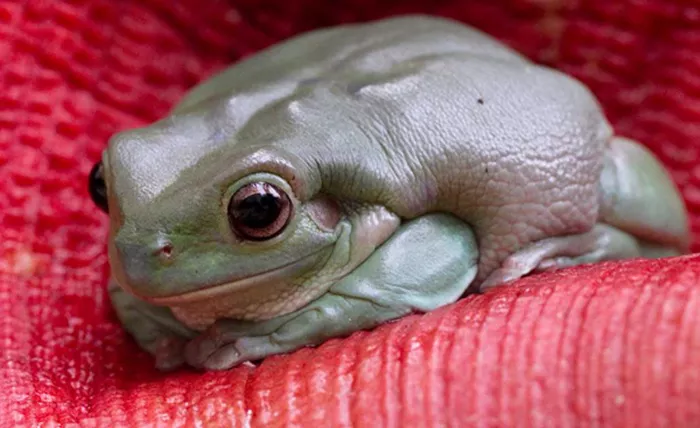
White’s Tree Frogs (Litoria caerulea), also known as Dumpy Tree Frogs or Australian Green Tree Frogs, are among the most popular amphibians in the exotic pet trade. Their charming appearance, calm demeanor, and easy care requirements make them a favorite choice for both beginner and experienced keepers. One question that often arises among owners is: When do White’s Tree Frogs stop growing?
Understanding the growth cycle of these frogs is vital for anyone who wants to raise a healthy and happy pet. Growth in frogs is not a quick or uniform process. It depends on many internal and external factors including genetics, diet, environment, and overall health. To fully understand when White’s Tree Frogs stop growing, we must explore their life stages, developmental milestones, and the influences that shape their physical size.
This article dives deep into the biology and environmental conditions that impact growth. It explores how fast these frogs grow, what affects their size, and when they typically reach their adult form. We will also discuss how you can support their healthy development and recognize any issues related to growth abnormalities.
The Natural Growth Cycle of White’s Tree Frogs
White’s Tree Frogs begin their life as aquatic tadpoles. Like most amphibians, their development is marked by a process called metamorphosis. This process transitions them from tadpoles to froglets and finally to full-grown adults. Each stage has its own growth characteristics.
Tadpole Stage
The tadpole stage begins immediately after hatching. During this time, they live entirely in water. Tadpoles breathe through gills and feed primarily on plant material and organic detritus. Their bodies are long, and they have tails for swimming.
Tadpoles of White’s Tree Frogs remain in this stage for about 3 to 6 weeks, depending on water temperature and food availability. Warmer temperatures usually speed up development. During this period, their internal organs begin to change, preparing for life on land.
Metamorphosis
At the end of the tadpole stage, metamorphosis begins. Legs start to emerge, lungs develop, and the tail gradually shrinks. This is a critical time when the frog shifts from an aquatic life to a semi-arboreal, terrestrial lifestyle. Metamorphosis can take 1 to 2 weeks to complete. Once the tail disappears, the animal is referred to as a “froglet.”
Froglet Stage
Froglets look like miniature versions of adults. However, they still have significant growing to do. Their bodies are small—often just 1 to 1.5 inches in length—and they are still adapting to land-based feeding and movement. The froglet stage is a period of rapid growth and development. During the first 6 to 12 months of life, White’s Tree Frogs grow at an impressive rate if they are kept in ideal conditions.
When Do They Reach Full Size?
White’s Tree Frogs generally reach their adult size between 12 and 24 months of age. However, some individuals may continue to fill out slightly for another few months beyond this period. By the time they are two years old, most White’s Tree Frogs have stopped growing in length and bulk.
Typical Adult Size
Adult males typically reach lengths of 3 to 4 inches. Females are generally larger, averaging between 4 and 4.5 inches. In rare cases, females may grow up to 5 inches. This size range is influenced by various factors including diet, genetics, temperature, and housing.
Growth Slowdown
The most noticeable slowdown in growth typically begins after the first year. Frogs that are one year old often appear close to their full size. By 18 months, their rate of growth slows dramatically. By 24 months, growth in terms of body length usually stops. While their overall mass may increase slightly with age, particularly if they become overweight, their skeletal structure stops expanding after this point.
Factors That Influence Growth
Not all White’s Tree Frogs grow at the same pace or to the same size. Several factors influence their growth rate and final adult size.
Genetics
Just like humans, frogs inherit physical traits from their parents. Some bloodlines naturally grow larger than others. If both parent frogs are small, the offspring are also likely to be on the smaller side. Conversely, frogs from large parents often grow faster and reach larger adult sizes.
Diet and Nutrition
Nutrition is one of the most important factors in frog growth. White’s Tree Frogs are insectivores and should be fed a variety of gut-loaded insects. A protein-rich diet helps them grow strong bones and muscles. Crickets, roaches, mealworms, and occasional treats like waxworms are all useful. Dusting their food with calcium and vitamin D3 supplements is essential during the growing phase.
Temperature and Humidity
Frogs are ectothermic, meaning their body temperature is influenced by their environment. Warm, stable temperatures help maintain a healthy metabolism and promote growth. Ideal daytime temperatures for White’s Tree Frogs range from 75°F to 85°F. At night, it can drop to around 70°F. Humidity should stay between 50% and 70%. Improper temperature or moisture levels can slow development and lead to health problems.
Tank Size and Space
Frogs housed in cramped or overcrowded conditions may experience slower growth. They need room to jump, climb, and explore. A 20-gallon tall tank is suitable for one adult frog, but young frogs should also have access to vertical space during development. Environmental enrichment also plays a role in encouraging physical activity and healthy development.
Stress and Handling
Frequent handling, loud noises, poor tank hygiene, or aggressive tankmates can stress a frog and inhibit growth. Stress interferes with feeding behavior, immune response, and hormonal balance—all of which can slow down development. White’s Tree Frogs are known for being relatively tolerant of occasional handling, but it should still be minimized during their formative months.
Recognizing Healthy Growth Patterns
It’s important for frog owners to know what healthy growth looks like. Sudden changes in size, shape, or behavior can indicate health problems.
Signs of Normal Growth
−A steady increase in body size over time
−Clear, bright eyes
−Strong limbs and active climbing behavior
−A healthy appetite
−Smooth, slightly sticky skin with a glossy texture
Young frogs should be visibly growing every few weeks. Owners can track this by photographing their frogs at intervals or noting changes in length using gentle measurements.
Signs of Growth Problems
−Sudden halt in growth under 12 months of age
−Poor appetite or refusal to eat
−Lethargy or weakness
−Swollen joints or abnormal bone shapes (a sign of metabolic bone disease)
−Excessive shedding or skin issues
If a young frog appears stunted or is not growing after several months, it may be suffering from nutritional deficiency, parasites, or an unsuitable environment.
What If Your Frog Grows Too Big or Not Enough?
Not all White’s Tree Frogs grow to textbook sizes. Some frogs may remain smaller, while others become unusually large. Understanding when this is normal and when it is not is essential.
Oversized Frogs
Some frogs appear larger due to being overweight. White’s Tree Frogs are notorious for becoming obese in captivity due to easy access to food and lack of predators. Obesity can shorten lifespan and cause health issues. Signs of obesity include:
−Bulging around the stomach
−Fatty folds behind the eyes
−Difficulty climbing or jumping
Owners should adjust feeding frequency and avoid high-fat foods like waxworms if obesity is suspected.
Undersized Frogs
Frogs that remain under 3 inches at adulthood may be genetically smaller or may have experienced poor conditions early in life. Frogs that were not fed enough, lacked supplements, or were kept in poor enclosures during their first year often fail to reach their full potential. While some small frogs can still live healthy lives, it’s important to ensure they are not suffering from hidden health problems.
Do Frogs Grow Throughout Life?
Technically, amphibians have what’s known as “indeterminate growth,” which means they have the potential to grow throughout life. However, this growth slows dramatically and practically stops in adulthood. After two years, White’s Tree Frogs stop growing in a meaningful way unless there are unusual conditions like hormone imbalance or overfeeding.
What may continue is a slight increase in body mass or changes in skin texture with age. Very old frogs can become more wrinkled or heavier, but they won’t grow longer once they reach maturity.
How to Support Healthy Growth in White’s Tree Frogs
If you want your frog to grow to its healthiest potential, there are several things you can do during its first year of life.
Provide a Balanced Diet
Feed your young frog 4 to 5 times per week using gut-loaded insects. Always dust insects with calcium and vitamin D3 two or three times a week. Multivitamins can be added once weekly. As your frog matures, feeding can be reduced to two or three times weekly.
Optimize Temperature and Humidity
Use a thermometer and hygrometer to monitor the tank. Mist the enclosure daily and provide a warm side and a cool side. Use a heating pad or ceramic heater if necessary, but avoid heat lamps that dry out the habitat.
Ensure Clean Living Conditions
Clean the tank regularly. Spot-clean waste daily, and replace substrate every few weeks. Good hygiene prevents parasites and bacterial infections, which can stunt growth.
Limit Handling and Stress
Avoid handling baby frogs unless absolutely necessary. Always use clean, wet hands. Reduce bright lights, vibrations, and loud noises. Give your frog plenty of hiding places and foliage.
Conclusion:
White’s Tree Frogs are remarkable creatures whose growth reflects the quality of care they receive. While most stop growing by the age of 2, their early months are essential to setting a strong foundation. By understanding the natural patterns of their development and providing proper care, you can help your frog reach its healthiest and happiest form.
Related topics: