
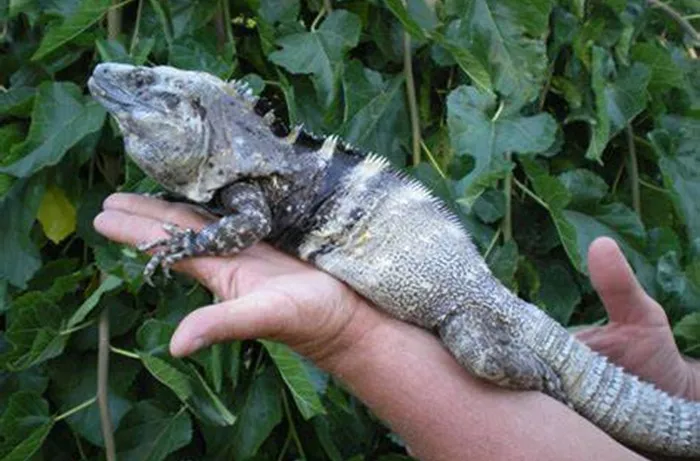
Spiny-tailed iguanas, known scientifically as Ctenosaura, are a fascinating group of reptiles belonging to the family Iguanidae. They are recognized for their unique features, particularly their spiny tails, which set them apart from other types of iguanas. These iguanas are native to Central America and parts of Mexico, where they thrive in tropical and subtropical environments.
Spiny-tailed iguanas are highly adaptable, often found in diverse habitats such as dry forests, rocky cliffs, and even urban areas. They are known for their resilience and ability to survive in various environmental conditions. This article will delve into the characteristics of spiny-tailed iguanas, covering their physical traits, behavior, diet, reproduction, and conservation status.
Physical Characteristics of Spiny-Tailed Iguanas
Size and Build
Spiny-tailed iguanas vary in size depending on the species. Generally, they are medium to large reptiles, with some species reaching lengths of up to 1 meter (3.3 feet). The tail of a spiny-tailed iguana, often its most striking feature, can be half the length of the entire body, covered with sharp, spiny scales that serve as both a defense mechanism and a tool for balance.
These iguanas have robust, muscular bodies and are well-equipped for climbing and running. Their legs are sturdy, with sharp claws that help them grip onto rocks and tree branches.
Scales and Skin Color
Spiny-tailed iguanas have tough, rugged skin, which provides them with protection against the harsh conditions of their native environments. Their scales are often rough and spiny, giving them their name. The skin color of spiny-tailed iguanas varies across species, but it typically ranges from greenish-brown to gray, with some species featuring striking patterns of black, white, and yellow.
Some spiny-tailed iguanas, especially the males, may exhibit more vibrant colors during the breeding season. These colors can help attract mates or serve as a form of dominance signaling among other iguanas.
Tail Characteristics
The tail is one of the most distinctive features of the spiny-tailed iguana. It is covered in sharp, backward-facing spines that give the tail a jagged appearance. This tail serves several functions, including:
Defense: When threatened, the iguana may lash its tail at potential predators. The spines on the tail can cause injury to attackers.
Balance: The tail helps the iguana maintain balance while climbing and moving across rough terrain.
Communication: In some species, tail movements are used for signaling during courtship or territorial disputes.
Behavior of Spiny-Tailed Iguanas
Territorial Nature
Spiny-tailed iguanas are known for being territorial animals. They often establish home ranges, which they defend aggressively from intruders. These territories are usually located in areas that offer access to food, shelter, and basking sites. Males, in particular, are very territorial and will display various behaviors to assert dominance, such as puffing out their throat and making loud hissing sounds.
Diurnal Activity
These iguanas are diurnal, meaning they are most active during the day. In the morning, they bask in the sun to regulate their body temperature. Being cold-blooded reptiles, they rely on external heat sources to stay active. After basking, they spend much of their day foraging for food, exploring their territory, or interacting with other iguanas.
Social Structure
While spiny-tailed iguanas can be territorial, they are also social creatures. In some species, iguanas can be seen basking together in large groups, though they will maintain a distance from one another. During the mating season, males will engage in elaborate courtship displays, which may include head bobbing, tail waving, and other body postures.
Diet and Feeding Habits
Omnivorous Diet
Spiny-tailed iguanas are omnivores, meaning they eat both plant and animal matter. Their diet is highly varied, and they are known to eat a wide range of foods, including:
Vegetation: Leaves, flowers, fruits, and cacti are some of their favorite plant-based foods. The iguanas use their sharp claws to tear at tough vegetation.
Insects and Small Animals: Spiny-tailed iguanas will also hunt for insects, small mammals, and even smaller reptiles. They are opportunistic feeders, taking advantage of whatever prey is available in their environment.
Their omnivorous diet provides them with the nutrients necessary for survival in their diverse habitats.
Feeding Behavior
Spiny-tailed iguanas are opportunistic foragers. They often climb trees or rocks in search of food, using their sharp claws to grab and manipulate objects. When foraging on the ground, they are quick to flee if they sense danger, often seeking refuge in crevices or burrows.
Reproduction and Life Cycle
Breeding Season
Spiny-tailed iguanas engage in seasonal breeding, with the mating season usually occurring during the warmer months. During this time, males display vibrant colors and engage in various courtship behaviors to attract females. These can include head-bobbing, tail waving, and even digging pits in the sand as a sign of their readiness to mate.
Egg-Laying
After mating, females lay a clutch of eggs in burrows or hidden spots in the ground. Depending on the species, a female may lay anywhere from 5 to 20 eggs per clutch. The eggs are left to incubate on their own, and the hatchlings emerge after several months.
Hatchling Survival
Once the eggs hatch, the young iguanas are on their own. They are vulnerable to predators but quickly learn to forage for food and find shelter. The spiny-tailed iguana’s survival strategy relies on both its ability to hide from predators and its rapid growth, which allows it to reach maturity quickly.
Habitat and Distribution
Spiny-tailed iguanas are native to Central America, Mexico, and the surrounding islands. They can be found in a variety of habitats, including tropical dry forests, rocky hillsides, and coastal areas. Some species, such as the Ctenosaura pectinata, have adapted to urban environments, where they can be found basking on buildings and walls.
They thrive in areas with a lot of sun exposure and plenty of places to hide from predators. They prefer areas with rocky outcrops, where they can find shelter in crevices or burrows.
Conservation Status
Threats to Spiny-Tailed Iguanas
While spiny-tailed iguanas are not currently classified as endangered, some species face threats from habitat loss, hunting, and the pet trade. The destruction of their natural habitats, particularly in urban and agricultural areas, has led to population declines in certain regions.
Conservation Efforts
Efforts to conserve spiny-tailed iguanas include habitat protection, public awareness campaigns, and monitoring of populations. In some areas, spiny-tailed iguanas are protected by law, and there are regulations in place to prevent over-hunting and capture for the pet trade.
Conclusion
Spiny-tailed iguanas are unique and resilient reptiles that have adapted to a variety of environments in Central America and Mexico. Their distinct spiny tails, territorial behavior, and omnivorous diet make them fascinating creatures to study and observe. While some species face threats to their survival, conservation efforts are underway to ensure that these remarkable iguanas continue to thrive in the wild.
Related topics: