
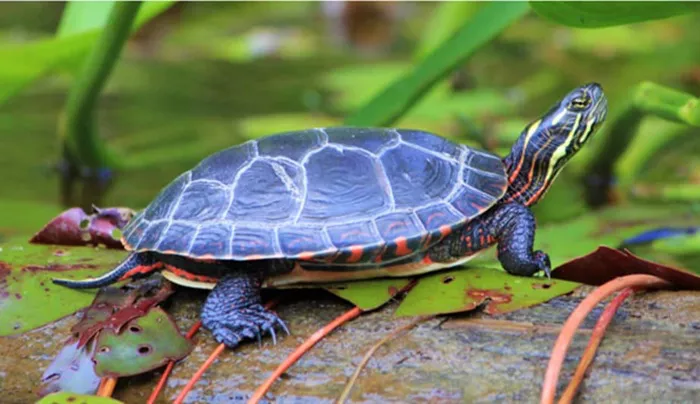
Painted turtles are among the most popular freshwater turtles kept as pets. They are loved for their colorful markings, calm temperament, and manageable size. But to keep your painted turtle healthy and happy, one of the most important factors is its diet. Knowing what to feed a painted turtle can make a huge difference in its growth, immune system, and overall quality of life.
In this article, we will explore the nutritional needs of painted turtles, feeding habits at different life stages, food types, feeding frequency, and safety tips. We will also discuss common feeding mistakes and how to avoid them. Whether you’re a new turtle owner or looking to improve your current pet care, this guide will help you understand exactly what to feed your painted turtle.
Understanding the Painted Turtle’s Natural Diet
Painted turtles are omnivores. In the wild, they eat a variety of plant and animal matter. Their natural diet depends on their age, season, and availability of food sources. Hatchlings and juveniles eat more protein-rich food, while adults shift toward plant-based meals.
Young painted turtles are often more carnivorous. They consume insects, worms, snails, and small aquatic animals. As they mature, they begin to eat more aquatic plants, algae, and vegetables.
When we keep painted turtles in captivity, we need to replicate this diet as closely as possible. By mimicking their natural diet, we ensure their body functions properly, and they live longer, healthier lives.
Nutritional Needs of Painted Turtles
Understanding the nutritional requirements of a painted turtle helps you choose the right food. Painted turtles need a balanced diet that includes:
Proteins – crucial for growth, especially in hatchlings and juveniles.
Vegetables and plant matter – important for adult turtles to maintain digestive health.
Calcium and Vitamin D3 – necessary for shell and bone development.
Vitamins and minerals – support metabolic functions and immunity.
Water content – many foods must be moist or water-rich, as turtles often eat while submerged.
Providing a mix of these nutrients keeps your turtle active, prevents diseases, and promotes longevity.
What to Feed a Hatchling Painted Turtle
Young painted turtles grow quickly. They need more protein than adults to support their rapid development.
Animal-Based Foods for Hatchlings
Aquatic insects – such as bloodworms or mosquito larvae.
Small feeder fish – like guppies or minnows, fed occasionally.
Earthworms – a natural and highly nutritious option.
Commercial turtle pellets – choose ones labeled for juveniles and rich in protein.
Shrimp or krill – available in freeze-dried or frozen forms.
How Often to Feed Hatchlings
Feed hatchlings once daily, providing enough food that they can eat within 10–15 minutes. Do not leave uneaten food in the tank, as it can dirty the water and harm your turtle’s health.
What to Feed an Adult Painted Turtle
Adult turtles are more omnivorous. Their protein needs decrease, and they begin to rely more on plant matter. A balanced adult diet includes both animal protein and vegetables, but in lower amounts compared to hatchlings.
Animal-Based Foods
Crickets and mealworms – offered in moderation.
Feeder fish – only once or twice a week to avoid excessive fat.
Boiled chicken or lean meat – very small amounts, and only as treats.
Turtle pellets – a staple that contains balanced nutrients.
Vegetables and Aquatic Plants
Collard greens, kale, and dandelion greens – rich in calcium.
Romaine lettuce – better than iceberg, which has little nutritional value.
Duckweed and water lettuce – aquatic plants that mimic their wild diet.
Zucchini and squash – cut into small, bite-sized pieces.
Carrots (shredded) – good source of vitamin A.
Feed adults every other day or 3–4 times a week, depending on their activity level and appetite.
How to Feed Painted Turtles
Feeding your turtle the right food is just the first step. You also need to think about how to feed it. Painted turtles often eat underwater, and they can be messy eaters.
Feeding Inside the Tank
You can drop the food into the water in their main tank. However, this can make the tank dirty faster, and uneaten food may spoil quickly.
Feeding in a Separate Container
Many turtle owners prefer to move the turtle to a separate feeding container filled with clean water. This helps keep the main tank clean and reduces the buildup of waste.
This method also makes it easier to monitor how much your turtle is eating. After feeding, you can rinse your turtle off and return it to its home tank.
Safe and Unsafe Foods
Not all foods are safe for painted turtles. Let’s take a look at what to include and what to avoid.
Safe Foods
−Boiled egg (rarely, and in small amounts)
−Cooked lean meats (no seasoning)
−Whole fish or chopped raw fish
−Fresh vegetables (washed and pesticide-free)
−Commercial turtle pellets (choose high-quality brands)
Unsafe Foods
−Processed meats (bacon, sausage)
−Dairy products (turtles cannot digest lactose)
−Bread or baked goods
−Chocolate or sugary foods
−Iceberg lettuce (very low in nutrients)
−Raw beef or pork (too fatty, hard to digest)
−Avocados (contain toxins that can be harmful)
Never feed your turtle anything spoiled or moldy. Always clean fruits and vegetables before serving them.
Do Painted Turtles Eat Fruits?
Painted turtles can eat fruit, but only in small amounts. Fruits are high in sugar, which is not ideal for their digestive system.
You can occasionally offer:
−Sliced strawberries
−Blueberries
−Watermelon (seedless)
Banana (a small piece)
Limit fruit to once a week and use it only as a treat. Too much sugar can lead to obesity and digestive issues.
Do Painted Turtles Need Supplements?
Yes, even with a balanced diet, painted turtles often need dietary supplements to stay healthy.
Calcium Supplements
Painted turtles need calcium to maintain strong bones and shell structure. You can use:
Cuttlebone – place it in the tank for your turtle to nibble on.
Calcium powder – lightly dust insects or vegetables before feeding.
Calcium blocks – dissolve slowly in water, providing a steady supply.
Vitamin D3
Turtles need Vitamin D3 to absorb calcium. If your turtle does not receive adequate UVB lighting, it may not produce enough D3. In such cases, use supplements that include D3 or improve lighting conditions.
Use supplements 2–3 times a week, and follow dosing instructions carefully.
Hydration and Clean Water
Painted turtles need clean water not only for swimming but also for feeding and hydration. They may drink while they eat or absorb water through their skin. Dirty water leads to infections, poor appetite, and shell rot.
Change the water regularly and use a good filtration system. Clean the tank if you notice leftover food or waste after feeding.
Signs of a Healthy Diet
A painted turtle on a balanced diet will show several signs of good health:
−Active swimming and basking
−Clear eyes with no discharge
−A smooth, hard shell with no deformities
−Healthy appetite
−Regular waste (urates and feces)
If your turtle seems lethargic, refuses to eat, or has shell problems, examine its diet immediately.
Common Feeding Mistakes
Avoid these common mistakes to keep your turtle healthy:
Overfeeding – leads to obesity and liver problems.
Underfeeding – causes stunted growth and shell deformities.
Feeding only pellets – variety is essential.
Neglecting supplements – can result in metabolic bone disease.
Feeding in dirty water – increases the risk of infections.
Always observe your turtle while feeding and make sure it eats well without stress.
Seasonal and Environmental Changes
Painted turtles may eat less during colder months, especially if the room temperature drops. Some turtles even go into a semi-hibernation phase, called brumation. During this time, reduce feeding and keep water clean.
Ensure your turtle has proper heating and lighting to maintain appetite and digestion.
Special Considerations for Captive Turtles
Captive turtles rely entirely on their owner for food. This means you must take responsibility for every part of their diet. Unlike wild turtles, they cannot seek out missing nutrients.
Make sure to:
−Use variety to mimic the natural diet
−Offer live prey occasionally to stimulate hunting instincts
−Avoid commercial food with fillers or artificial colors
−Observe behavior and health regularly
Conclusion
Feeding your painted turtle may seem challenging at first, but with time and experience, it becomes a simple and enjoyable part of pet care. A well-fed turtle is an active, long-living, and vibrant companion.
Remember the golden rule: Balance, variety, and moderation. Include protein for young turtles, more greens for adults, and always keep the feeding area clean. Don’t forget to add calcium and monitor for signs of health or illnes
With the right diet and care, your painted turtle can live for 20 to 30 years or more, giving you decades of friendship and learning. So, make feeding time a priority—it’s the cornerstone of your turtle’s well-being.
Related topics: