
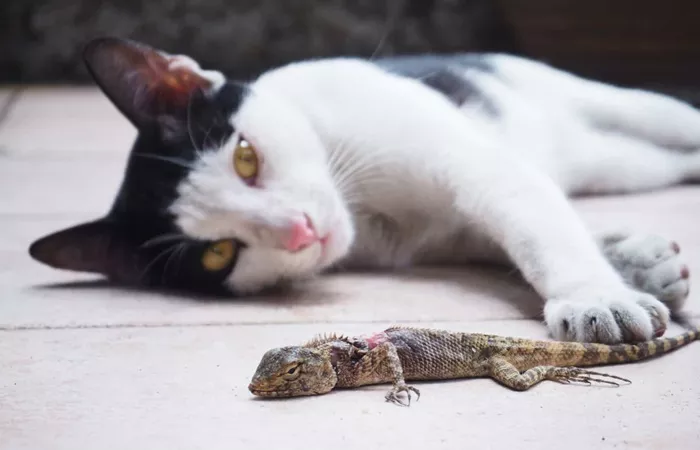
Cats are fascinating animals, known for their agility, curiosity, and strong hunting instincts. Whether domestic or feral, cats are natural predators with a keen ability to catch small animals. One question many cat owners wonder about is: Do cats eat lizards? This article explores this question in depth, covering why cats hunt lizards, the risks involved, and what owners should know to keep their feline friends safe.
Introduction: The Natural Instincts of Cats
Cats belong to the family Felidae, a group of animals naturally skilled at hunting. Even domesticated cats retain many of the behaviors of their wild ancestors, including stalking, chasing, and catching prey. These behaviors are often triggered by movement, which explains why cats are quick to chase small creatures like insects, birds, rodents, and reptiles.
Lizards are small reptiles found in many environments worldwide. They are often quick and elusive, which can make them attractive targets for a cat’s hunting instincts. But do cats actually eat lizards once caught? And if they do, is it safe for them? These questions are important for cat owners, especially those living in areas where lizards are common.
Why Do Cats Hunt Lizards?
Cats hunt for several reasons beyond hunger. For domestic cats that are well-fed, hunting is often a form of play or a way to express their natural instincts. The movement of a lizard can stimulate a cat’s predatory drive, leading to chasing and sometimes capturing these reptiles.
Cats are visual hunters, meaning movement is a key trigger for their hunting behavior. Lizards often dart quickly and change direction, which makes them interesting targets. Cats may also be curious about lizards because they are small and unfamiliar animals moving in their environment.
In the wild, cats’ diets can include a wide range of prey. Small reptiles like lizards can be part of this natural diet, especially for feral cats who rely on hunting for survival. Domestic cats, however, are generally fed by their owners and do not need to hunt for food.
Do Cats Actually Eat Lizards?
When cats catch lizards, their behavior can vary. Some cats might kill and eat the lizard, while others may play with it or lose interest after catching it. Eating a lizard is not uncommon, especially for outdoor cats. It is a way to fulfill their predatory instincts.
However, cats may not always consume the entire lizard. Sometimes they might eat parts of it or kill it simply to satisfy their hunting urge without eating. This behavior is normal and varies from cat to cat.
Cats can be opportunistic feeders, meaning they eat what is available. Lizards, being small and relatively easy to catch, can be part of this opportunistic diet. Still, not all cats eat lizards; some prefer other prey like rodents or birds.
Types of Lizards Cats Might Encounter
The type of lizard a cat might encounter depends largely on the region where the cat lives. Common lizards found in many parts of the world include geckos, skinks, anoles, and small species of iguanas. Some lizards have bright colors or unusual behaviors, which may attract or deter a cat’s interest.
For example, geckos are often found in homes and gardens, making them common prey for outdoor or free-roaming cats. Skinks, which have smooth, shiny scales, also live in grassy or wooded areas and may be caught by cats.
Are Lizards Safe for Cats to Eat?
While cats can eat lizards, there are some important safety concerns to consider. Not all lizards are safe to consume, as some species produce toxins or carry parasites that could harm cats.
Certain lizards, such as the Gila monster or some species of horned lizards, contain toxins that are harmful or even deadly to animals that eat them. Although these species are rare and typically found in specific geographic areas, it is important to be aware of local wildlife risks.
Even common, non-toxic lizards can carry parasites or bacteria that might affect a cat’s health. Eating wild prey exposes cats to potential infections, digestive upset, or even poisoning if the lizard has consumed pesticides or harmful substances.
Possible Health Risks for Cats Eating Lizards
Eating lizards can lead to health problems for cats, such as:
Parasites: Lizards may carry intestinal parasites that can infect cats.
Bacterial infections: Bacteria like Salmonella can be present on reptiles and cause illness.
Injuries: Lizards sometimes bite or scratch when caught, causing wounds or infections.
Toxins: Some lizards have toxic secretions or toxins that can poison cats.
Digestive issues: Eating indigestible parts like scales or tails may cause vomiting or blockages.
Owners should watch their cats for signs of illness after any interaction with wild reptiles, including vomiting, diarrhea, lethargy, or changes in appetite.
Behavioral Reasons Cats Chase and Eat Lizards
Cats are hunters by nature, and chasing lizar
Exercise and stimulation: Hunting satisfies a cat’s need for physical and mental activity.
Play behavior: Young cats and kittens often hunt and play to develop coordination and skills.
Territorial instinct: Cats may chase lizards to protect their territory.
Hunting practice: Cats refine their hunting skills even if they don’t intend to eat their prey.
What Should Cat Owners Do?
If you own a cat that spends time outdoors, it is important to understand the risks involved with hunting lizards and other wildlife. To protect your cat’s health, consider these steps:
−Supervise outdoor time or provide a safe enclosed area to limit hunting opportunities.
−Regularly check your cat for injuries or signs of illness.
−Keep your cat up to date on veterinary visits, vaccinations, and parasite control.
−If your cat eats a lizard and shows signs of illness, seek veterinary care promptly.
−Educate yourself about local wildlife and any toxic species in your area.
Conclusion: Understanding and Managing Your Cat’s Hunting Instincts
Cats eating lizards is a natural behavior rooted in their wild ancestry. While it is common for cats to hunt and sometimes eat lizards, it carries potential risks that cat owners should be aware of. Understanding why cats chase and eat lizards helps owners provide a safer environment for their pets.
If you have a cat that spends time outdoors, keeping a close eye on their behavior and health is essential. With knowledge and care, you can balance your cat’s natural instincts with their safety and well-being.
Related topics: