
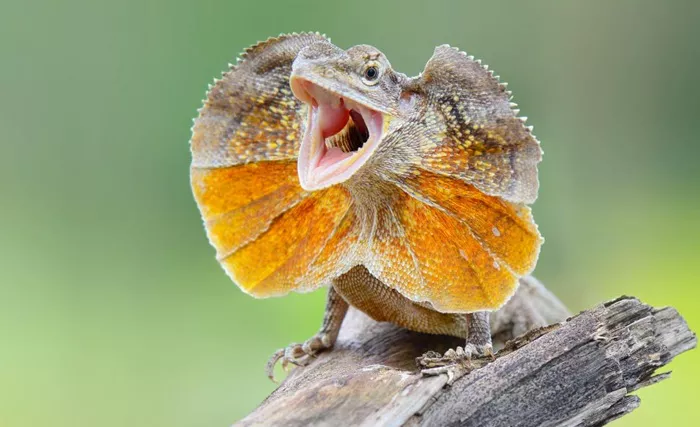
Lizards are one of the most diverse and widespread groups of reptiles. They have adapted to many environments, from deserts to rainforests, and even mountains. People often think of lizards as simple animals, but they are highly varied in shape, size, and behavior. From tiny geckos no bigger than a fingernail to the large and powerful Komodo dragon, lizards are a remarkable part of the animal kingdom.
Understanding how many lizard species there are is important for science and conservation. It helps researchers know more about biodiversity and the health of ecosystems. However, finding the exact number is not simple. New species are discovered regularly, and scientists sometimes change classifications as they learn more. This article explores how many lizard species exist today, the challenges in counting them, and why this information matters.
What Defines a Lizard?
Before counting lizard species, it is important to understand what a lizard is. Lizards belong to the order Squamata, which also includes snakes and amphisbaenians (worm lizards). Within Squamata, lizards are usually distinguished by having eyelids, external ear openings, and limbs, although there are exceptions.
Lizards come in many forms, but they generally share some features. Most have scales covering their bodies, tails that can regenerate if lost, and well-developed legs. These traits help them survive in various environments. Knowing these basic features allows scientists to classify animals as lizards and study their diversity accurately.
How Scientists Classify Lizards
Classifying lizards into species is a complex process. Scientists use several methods, including physical characteristics, genetics, behavior, and geography. Morphology, or body structure, was once the main way to identify species. Today, DNA analysis provides more precise information about relationships between lizards.
The species is the fundamental unit of classification. A species is generally defined as a group of animals that can reproduce and produce fertile offspring. However, sometimes different populations of lizards look similar but are genetically distinct, or vice versa. This makes the exact species count a moving target.
Taxonomists—the scientists who classify organisms—continuously review and revise the classification of lizards. They may split one species into several or combine some species based on new evidence.
Global Diversity: The Number of Lizard Species
Currently, there are more than 7,000 recognized species of lizards worldwide. This number grows as new species are discovered and as taxonomists revise classifications. Lizards belong to over 40 families, with some families being more diverse than others.
The family with the most species is the gecko family (Gekkonidae), which alone contains over 1,500 species. Other large families include the skinks (Scincidae) and the iguanas (Iguanidae). These families include species adapted to a wide range of habitats.
The exact number changes regularly due to ongoing scientific research. Some experts predict that the total number of lizard species may eventually reach over 8,000 as more habitats are explored and molecular techniques improve.
Factors Influencing Lizard Species Count
Several factors affect how many lizard species exist or are recognized:
1. Habitat Diversity
Lizards live in deserts, forests, grasslands, mountains, and even caves. Some areas have more species because they have many different habitats close together.
2. Geographic Isolation
Islands and mountain ranges create isolated populations. These groups can evolve into new species over time.
3. Scientific Research
Some regions have been studied a lot, so we know more about the lizards there. Other places are less explored, so we may be missing many species.
4. Advances in Technology
DNA testing and better cameras help discover species that look alike but are genetically different.
5. Climate Change and Habitat Loss
Unfortunately, many lizard species are threatened by changing climates and habitat destruction. This can lead to extinction before some species are even discovered.
Where Do Lizards Live? Distribution of Species Worldwide
Lizards are found on every continent except Antarctica. They have adapted to many environments:
Deserts: Many lizards live in dry, hot places. These include species like the horned lizards and desert iguanas.
Tropical Rainforests: These areas have high lizard diversity. Colorful anoles and many geckos live here.
Mountains: Some lizards live in cold, high places. They survive by hiding under rocks or burrowing.
Urban Areas: Some lizards, like house geckos, have adapted to live near humans.
The highest diversity of lizards is found in the tropics, especially in South America, Southeast Asia, and Madagascar.
The Role of New Discoveries and Taxonomy Changes
New lizard species are described each year. Researchers explore new areas, study museum collections, and use genetics to find hidden diversity.
Sometimes, what was thought to be one species is split into several. For example, a widespread species may actually be several species that look alike but live in different areas.
Taxonomy also merges some species if they are found to be the same. This is why the total number of species goes up and down slightly over time.
Some recent discoveries include tiny geckos from Southeast Asia and unique skinks from Australia. Each new species adds to our understanding of life on Earth.
Popular and Unique Lizard Species
Among thousands of lizard species, some stand out due to their size, appearance, or behavior.
The Komodo dragon (Varanus komodoensis) is the largest living lizard, reaching over 3 meters in length. It is a powerful predator found on Indonesian islands.
Chameleons can change color and have unique eyes that move independently.
Flying dragons (Draco spp.) have wing-like flaps of skin that allow them to glide between trees.
The Gila monster is one of the few venomous lizards.
Anoles are small, colorful lizards common in the Americas, known for their throat fans used in displays.
These species help attract attention to the importance of lizard conservation.
Why Does Knowing the Number of Lizard Species Matter?
Counting lizard species is not just about numbers. It has real-world implications:
Biodiversity Conservation: Knowing which species exist helps protect endangered lizards and their habitats.
Ecological Health: Lizards play important roles as predators and prey in ecosystems.
Scientific Research: Studying lizard diversity helps understand evolution, adaptation, and climate effects.
Education and Awareness: People learn about nature and appreciate wildlife better when they understand its variety.
Protecting lizards also means protecting the plants and other animals that share their homes.
Conclusion: The Ever-Growing Family of Lizards
Lizards are one of the most successful and diverse groups of reptiles. With over 7,200 known species and many more likely undiscovered, they offer endless fascination. Their wide distribution and adaptability show how life can evolve in many ways.
As science progresses, we will continue to learn more about lizards. Each new discovery reveals more about the complex web of life on Earth. Understanding how many lizard species there are is a step toward protecting the natural world for future generations.
Related topics: