
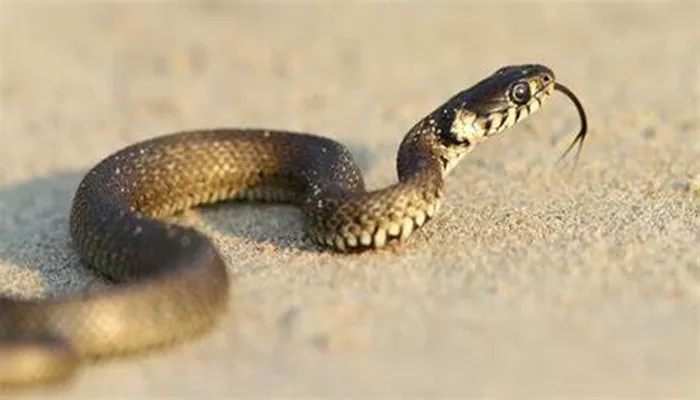
Snakes are fascinating creatures with unique and highly specialized methods of movement. Unlike mammals, birds, or even other reptiles, snakes have evolved to move in a variety of ways that allow them to navigate through diverse environments. Their ability to slither across the ground, climb trees, and even swim in water has long intrigued scientists and nature enthusiasts alike.
In this article, we will explore the different types of snake movement, the mechanics behind their movement, and the various factors that influence how snakes move. Whether a snake is traveling across a desert, swimming through a river, or coiling up on a tree branch, each mode of movement is both elegant and highly efficient.
The Anatomy of a Snake: Understanding Movement
Before diving into the specific ways snakes move, it’s important to understand their anatomy. The key to their locomotion lies in their body structure.
Snakes do not have limbs, which distinguishes them from most other reptiles. Instead, they rely on their elongated, muscular bodies to move. A snake’s body is made up of numerous vertebrae, which are connected by muscles and ligaments. These muscles contract and expand in precise patterns, enabling the snake to move in a variety of ways.
The skin of a snake also plays an important role in its movement. Snakes have specialized scales that cover their bodies, known as ventral scales, which help them grip surfaces and push themselves forward. The smoothness of the scales allows for frictionless movement over various terrains, including sand, dirt, and grass.
Types of Snake Movement
Snakes use different methods of movement depending on their environment and the type of terrain they are on. The main forms of movement include lateral undulation, sidewinding, concertina movement, and rectilinear movement. Let’s take a closer look at each type.
Lateral Undulation
Lateral undulation is the most common form of snake movement. It is often what people envision when they think of a snake slithering. This type of movement involves the snake’s body moving in a series of S-shaped curves. Each curve is formed by the contraction and relaxation of muscles along the snake’s body. These curves propel the snake forward as it pushes off against the surface below.
Lateral undulation works best on flat, solid surfaces, such as dirt or grass. The snake’s ventral scales make contact with the ground, creating points of resistance that help push the snake forward. The body moves in a sinuous, fluid motion, allowing the snake to cover large distances efficiently.
In this movement, the snake does not simply move in a straight line. Instead, the body moves in a serpentine, undulating pattern. The movement is so effective that even large snakes like pythons and cobras can cover long distances using this method.
Sidewinding
Sidewinding is a unique type of movement used by snakes in environments with loose sand or unstable terrain, such as deserts. This movement involves the snake lifting parts of its body off the ground and propelling itself forward in a sideways motion.
In sidewinding, the snake’s body forms a series of loops or coils that touch the ground at specific points. These loops help to maintain balance and reduce the amount of body surface in contact with the sand, minimizing the friction that would otherwise slow the snake down.
The sidewinding method is highly efficient on loose surfaces, allowing snakes to move quickly without sinking into the sand. Some species of desert-dwelling snakes, like the sidewinder rattlesnake, are particularly adapted for this kind of movement, making them experts at navigating harsh environments.
Concertina Movement
Concertina movement is commonly used by snakes when they are climbing or moving through narrow spaces. This type of movement resembles the expansion and contraction of an accordion, hence the name “concertina.”
To move in this way, a snake first anchors the back part of its body to a surface and then stretches the front part forward. The front portion of the body is then anchored, while the back part moves forward, and the process repeats. This allows the snake to inch its way through tight spaces or climb vertical surfaces.
Concertina movement is slower than lateral undulation but is highly effective for maneuvering in restricted environments like tree branches, rocky crevices, or even burrows. Some species of snakes that live in trees, such as tree boas, rely heavily on concertina movement to navigate their arboreal habitats.
Rectilinear Movement
Rectilinear movement is a slow, straight-line motion used by large, heavy-bodied snakes, like pythons and boas. This method of movement involves the snake alternately stretching and contracting sections of its body. Unlike lateral undulation, which involves lateral (side-to-side) movement, rectilinear movement is strictly forward.
In this method, the snake’s belly scales grip the ground, and the muscles in the body work to push the snake forward. Rectilinear movement is highly energy-efficient and is typically used by snakes when they are moving slowly, such as when hunting prey or navigating through dense vegetation.
While it is not as fast as other forms of movement, rectilinear movement is well-suited for larger snakes because it allows them to move quietly and steadily. This helps them avoid detection by prey and predators alike.
Factors That Influence Snake Movement
Several factors affect how a snake moves. These factors can vary depending on the snake’s size, the environment it is in, and its specific needs at any given time.
Terrain
The type of terrain is perhaps the most significant factor influencing snake movement. On solid ground, lateral undulation is usually the most efficient method. However, when snakes encounter difficult terrain like loose sand or muddy water, they may switch to sidewinding or concertina movement. Trees and bushes may require the use of concertina movement to navigate narrow branches.
Temperature
Temperature plays a crucial role in a snake’s ability to move. Since snakes are ectothermic (cold-blooded), their body temperature is regulated by their environment. On colder days, a snake’s muscles may not function as effectively, making movement slower and more laborious. In warmer conditions, however, a snake’s muscles are more flexible, and it can move faster and more efficiently.
Snake Size and Shape
The size and shape of a snake also determine its preferred method of movement. Larger, heavier snakes often rely more on rectilinear movement, as it provides the stability they need. On the other hand, smaller snakes, especially those with slender bodies, are more likely to use lateral undulation, as it allows for greater flexibility and speed.
Why Do Snakes Move the Way They Do?
Snake movement has evolved to suit their specific needs and environments. The unique methods of locomotion are essential for survival and play a crucial role in hunting, escaping predators, and navigating various habitats.
For example, lateral undulation allows a snake to move quickly across the ground, making it efficient for hunting and escaping danger. Sidewinding is vital for desert-dwelling species, helping them move efficiently on hot sand without sinking. Concertina movement allows snakes to climb or navigate through narrow spaces, while rectilinear movement is ideal for large snakes that need to move silently and steadily when hunting or hiding.
The Importance of Snake Movement in Ecology
Snake movement is not only vital for the individual snake but also for the ecosystems they inhabit. As predators, snakes play a crucial role in controlling populations of rodents and other small animals. Their ability to move quickly and stealthily allows them to capture prey efficiently.
Furthermore, by moving across various environments, snakes help to disperse seeds and pollen, contributing to the health and regeneration of plant communities. Some species also help to regulate the populations of other reptiles and amphibians, maintaining a balanced ecosystem.
Conclusion
Snakes are among the most interesting creatures on Earth due to their unique methods of movement. From the fluid, sinuous motion of lateral undulation to the efficient sidewinding used in the desert, snakes have evolved to navigate a variety of terrains. Understanding how they move provides insight not only into their biology but also into the many adaptations that have helped them survive for millions of years.
By learning more about how snakes move, we can better appreciate their role in nature and the extraordinary ways in which they have adapted to their environments.
Related topics: