
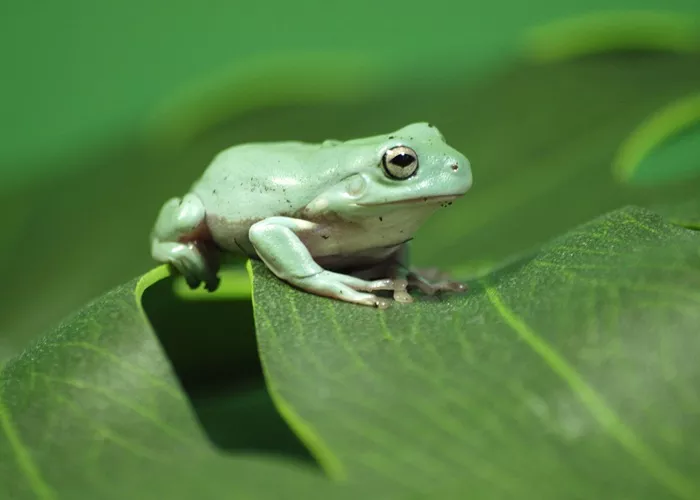
Keeping a white tree frog, also known as the Australian green tree frog (Litoria caerulea), is a rewarding experience. These frogs are charming, hardy, and relatively easy to care for compared to many other amphibians. They are especially popular among beginners due to their docile nature and forgiving environmental needs. However, just because they are considered low-maintenance does not mean they require no effort. Proper care begins with proper preparation. To ensure a healthy and happy life for your white tree frog, you must understand their habitat requirements, feeding habits, and overall care.
In this article, we will explore everything you need to keep a white tree frog. From enclosure size to heating, humidity, substrate, diet, and enrichment, every detail matters. By the end, you will have a clear understanding of what it takes to provide optimal care for this fascinating amphibian.
Understanding the White Tree Frog’s Natural Habitat
Before setting up an enclosure, it is essential to understand the natural environment where white tree frogs thrive. These frogs originate from Australia, New Guinea, and parts of Indonesia. They inhabit tropical and subtropical forests and woodlands. Their natural habitat is warm, humid, and filled with vertical space such as trees and tall plants. They are arboreal, meaning they spend most of their time climbing rather than on the ground.
White tree frogs are also nocturnal. They sleep during the day and become active at night. This behavior influences their need for a natural light-dark cycle and a secure environment to rest during daylight hours. Understanding these basic behaviors will help you recreate their natural environment as closely as possible in captivity.
Choosing the Right Enclosure
One of the first things you will need is a suitable enclosure. White tree frogs require more vertical than horizontal space due to their climbing habits.
Minimum Tank Size
For one adult frog, a vertical enclosure of at least 18x18x24 inches is recommended. This size gives them enough room to climb and explore. If you plan to keep more than one frog, increase the enclosure size accordingly. A group of three adult frogs should be housed in a terrarium no smaller than 24x18x36 inches.
Avoid overcrowding, as it can lead to stress, competition for food, and even injury.
Material and Ventilation
Glass terrariums are ideal because they retain humidity and allow for easy viewing. Make sure the tank has a secure screen lid to ensure proper ventilation and to prevent escape. Poor ventilation can lead to mold growth and respiratory issues for the frog.
Heating and Temperature Requirements
Maintaining the correct temperature is critical to your frog’s health. In the wild, white tree frogs live in warm environments. In captivity, you must recreate those temperatures.
Day and Night Temperatures
During the day, keep the temperature between 75°F and 85°F (24°C to 29°C). At night, it can drop slightly, but should not go below 65°F (18°C). A steady drop in temperature at night mimics their natural environment and helps maintain a healthy metabolic rhythm.
Heating Methods
Use a ceramic heat emitter or a low-wattage basking bulb to provide warmth. Avoid heat rocks, as they can cause burns. Always use a thermostat to regulate heat and prevent temperature fluctuations. Place the heating element outside the enclosure, typically on the top or side, to avoid direct contact with the frog.
You can also use an under-tank heating pad, but this is less effective for arboreal species like the white tree frog, who spend more time off the ground.
Humidity and Hydration
Humidity is another essential aspect of frog care. White tree frogs require a moderately humid environment to keep their skin moist and functional.
Ideal Humidity Range
Aim for a humidity level between 50% and 70%. If humidity drops too low, the frog’s skin can dry out, leading to health issues such as dehydration or shedding problems. If humidity is too high, it can encourage the growth of harmful bacteria or fungi.
Ways to Maintain Humidity
Misting the enclosure once or twice daily helps maintain appropriate humidity levels. You can do this manually with a spray bottle or use an automatic misting system for convenience. Including live plants can also help sustain humidity and improve air quality.
Always monitor humidity using a digital hygrometer. Place it in the middle or upper part of the enclosure to get the most accurate readings.
Lighting and Photoperiod
Although white tree frogs are nocturnal and do not need UVB light for survival, providing a low-level UVB bulb can be beneficial for their overall health. UVB helps in vitamin D3 synthesis, which in turn aids calcium absorption and prevents metabolic bone disease.
Day-Night Cycle
Maintain a 12-hour day and 12-hour night cycle to mimic natural conditions. Use a timer to regulate lighting and avoid disrupting their natural behavior. Light intensity should be soft. Avoid overly bright or hot lamps.
If you include live plants in the enclosure, ensure your lighting supports plant growth without disturbing the frog’s activity patterns.
Substrate Selection
The substrate is the material that covers the floor of the enclosure. It must retain moisture, be easy to clean, and be safe for the frog.
Best Substrates
Coconut fiber, sphagnum moss, or a mixture of organic soil and leaf litter are excellent options. These materials retain moisture well and are soft enough to prevent injury.
Avoid gravel, sand, or bark chips. These can cause impaction if ingested or lead to cuts and infections. Paper towels can be used for young frogs or in quarantine enclosures for easier monitoring and cleaning.
Furnishings and Enrichment
Creating an enriching environment is just as important as setting up the basics. A well-furnished terrarium provides mental stimulation and physical activity for your frog.
Branches and Climbing Structures
Since white tree frogs love to climb, provide plenty of vertical branches, driftwood, and vines. Use materials that are easy to clean and free from pesticides. Make sure these structures are secure and won’t fall when climbed on.
Hiding Places
Add multiple hiding spots using cork bark tubes, half logs, or commercial hides. Frogs need secure areas to rest during the day. Place these hides at different heights to encourage climbing.
Live or Artificial Plants
Both live and artificial plants offer hiding spaces and improve the aesthetics of the terrarium. Live plants such as pothos, philodendron, and bromeliads are safe and help maintain humidity. Just make sure they are non-toxic and free of fertilizers or pesticides.
Water Needs
Even though white tree frogs are arboreal, water is crucial to their health. They absorb moisture through their skin and need clean water at all times.
Water Bowl
Provide a shallow water dish large enough for the frog to soak in but not so deep that it poses a drowning risk. The water should be dechlorinated and changed daily. Use a water conditioner to remove harmful chemicals from tap water.
Avoid using distilled water alone, as it lacks essential minerals. Instead, use filtered water or treat tap water appropriately.
Diet and Nutrition
White tree frogs are carnivores. Their diet should consist mainly of live insects that are appropriately sized.
Feeding Routine
Feed adult frogs two to three times a week. Juveniles should be fed every day. Offer a variety of prey including crickets, roaches, and the occasional waxworm or mealworm. Do not feed wild-caught insects, as they may carry pesticides or parasites.
Supplementation
Dust insects with calcium powder at every feeding and a multivitamin supplement once or twice a week. This ensures your frog receives all the nutrients it needs to prevent deficiencies and bone disorders.
Handling and Hygiene
White tree frogs tolerate handling better than most amphibians, but it should still be minimized. Their skin is delicate and can absorb oils and chemicals from your hands.
Safe Handling Tips
If you need to handle your frog, always wash your hands thoroughly and rinse them in dechlorinated water first. You can also wear clean, damp gloves to protect their skin. Limit handling time and avoid handling them when they are shedding or stressed.
Cleaning and Maintenance
A clean environment is essential to your frog’s health. Dirty enclosures can harbor harmful bacteria and lead to illness.
Daily Tasks
−Remove uneaten food and waste.
−Mist the enclosure as needed.
−Change water daily.
Weekly Tasks
−Spot clean substrate.
−Wipe down glass and decorations.
−Rinse plants and climbing structures.
Monthly Tasks
−Deep clean the enclosure.
−Replace substrate if necessary.
−Sanitize hides and décor using a reptile-safe disinfectant.
Common Health Issues
Even with proper care, white tree frogs can develop health problems. Watch for signs of illness, such as:
−Lethargy or lack of appetite
−Discolored skin or open sores
−Labored breathing
−Trouble shedding
−Unusual bloating or swelling
If you notice any of these symptoms, consult a veterinarian experienced with amphibians. Early diagnosis and treatment can make a significant difference.
Conclusion
White tree frogs make wonderful pets for those willing to meet their care needs. They require a properly sized enclosure, appropriate heating and humidity, a well-balanced diet, and a clean environment. By taking the time to understand their behavior and natural habitat, you can create a space where your frog will thrive.
Proper preparation is the key to a long, healthy life for your amphibian companion. With patience, attention to detail, and regular maintenance, your white tree frog can live up to 15 years or more in captivity. Whether you are a first-time owner or an experienced amphibian keeper, the joy of watching this curious, gentle frog climb, explore, and interact with its surroundings is well worth the effort.
Related topics: