
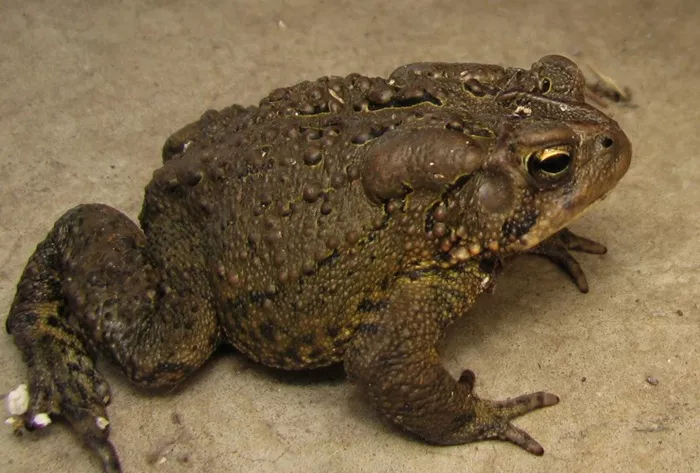
American toads are a common amphibian species found in North America. Many people see them in gardens, forests, and near ponds. Despite their frequent sightings, some wonder if American toads are rare or if their populations are declining. Understanding the rarity of these toads requires looking at their habitat, population trends, threats, and conservation status. This article will explore all these aspects in detail, providing readers with a clear picture of the current status of American toads.
Overview of American Toads
American toads (Anaxyrus americanus) belong to the family Bufonidae. They are medium-sized amphibians with warty skin and a brown, gray, or reddish color. Their bellies are pale with dark spots, and they have a distinct high-pitched trill during mating season. They can grow up to 5 inches long and live up to 10 years in the wild. American toads are nocturnal and are mostly active during the night.
Habitat and Distribution
American toads are widely distributed across the eastern United States and parts of Canada. They prefer forests, grasslands, gardens, and wetlands. These toads are highly adaptable and can live in urban areas, suburban backyards, and rural landscapes. Their ability to inhabit a variety of environments makes them resilient against habitat changes, which is one reason they are not considered rare in most regions.
Diet and Feeding Habits
American toads are insectivores. They feed on insects, spiders, slugs, and worms. They play a crucial role in controlling pest populations, making them beneficial to gardens and agricultural areas. Their feeding behavior also influences local ecosystems by balancing insect populations, which further highlights their ecological importance.
Population Trends
American toads are generally abundant across their range. Large populations can be found in both wild and suburban areas. However, local populations may vary depending on environmental conditions. For example, populations may decrease in areas with significant pollution or habitat destruction.
Factors Affecting Population Size
Several factors can impact American toad populations:
- Habitat Loss: Urban development and deforestation can reduce suitable habitats for toads.
- Pollution: Pesticides and chemical runoff can harm toads directly or reduce their food supply.
- Climate Change: Changes in temperature and precipitation can affect breeding cycles and survival rates.
- Disease: Fungal infections like chytridiomycosis have affected some amphibian populations, including toads.
Breeding and Reproduction
American toads breed in the spring, often after the first warm rains. Males call to attract females with a high-pitched trill. Females lay strings of eggs in shallow water, which hatch into tadpoles. This reproductive strategy allows large numbers of offspring to survive, which helps maintain stable populations. Because of their high reproductive potential, American toads are rarely considered at risk.
Threats to American Toads
While American toads are not globally rare, they face several threats that could impact local populations.
Predators
American toads have many natural predators. Snakes, birds, raccoons, and some fish prey on eggs, tadpoles, and adult toads. Their warty skin secretes toxins that can deter some predators, but not all. Predation is a natural part of their life cycle and does not usually lead to rarity.
Environmental Threats
Human activity can threaten American toads in various ways. Urbanization destroys wetlands, while roads increase mortality rates. Pollution from chemicals can reduce both survival and reproductive success. Despite these threats, their widespread distribution often compensates for local declines.
Disease
Diseases such as chytrid fungus and ranavirus have affected amphibians worldwide. These diseases can cause population declines in specific areas, but American toads have shown resilience in many regions. Ongoing monitoring helps scientists track the impact of these diseases and mitigate risks.
Conservation Status
The American toad is classified as Least Concern by the International Union for Conservation of Nature (IUCN). This status indicates that the species is widespread, abundant, and currently faces no major risk of extinction. Conservation efforts mainly focus on habitat preservation and reducing pollution, which benefit American toads as well as other amphibians.
Importance of Conservation
Even though American toads are not rare, conservation is important to ensure their continued survival. Wetland protection, pesticide reduction, and creating garden habitats can support healthy populations. Public education about the benefits of toads also encourages coexistence in residential areas.
Signs of Rare or Declining Populations
In some regions, American toads may appear less common. Signs of rare or declining populations include:
- Fewer sightings in areas where they were once abundant.
- Smaller breeding gatherings or reduced egg-laying events.
- Increased mortality due to pollution, habitat loss, or disease.
Such local declines do not mean the species is rare overall but indicate environmental stressors affecting specific areas.
Comparing American Toads with Other Amphibians
Compared to many amphibians, American toads are resilient. Some frog and salamander species face significant declines due to habitat loss and disease. In contrast, American toads maintain robust populations in a variety of habitats, which makes them relatively common in North America.
Human Interaction and Toads
American toads often live near humans. Gardeners appreciate them for pest control, while children enjoy observing them in backyards and ponds. Education about toads’ ecological role reduces unnecessary fear and promotes conservation awareness. Protecting local habitats helps ensure that these toads continue to thrive near human communities.
How to Support American Toad Populations
Individuals can take simple steps to support toad populations:
- Provide a small pond or water source for breeding.
- Minimize pesticide and chemical use in gardens.
- Preserve natural areas and leaf litter for shelter.
- Educate others about the importance of amphibians in ecosystems.
Interesting Facts About American Toads
- They can live up to 10 years in the wild.
- American toads use their sticky tongues to catch insects quickly.
- Their warts secrete toxins that deter some predators.
- They can survive in urban, suburban, and rural environments.
- They are primarily nocturnal, reducing encounters with daytime predators.
Conclusion
American toads are not rare. They are widely distributed, resilient, and capable of surviving in a variety of habitats. While local populations may face threats from pollution, habitat loss, and disease, the species as a whole remains abundant. Conservation efforts and human awareness help maintain their numbers, ensuring that American toads continue to play a vital role in ecosystems. By understanding their habits, threats, and ecological importance, we can appreciate these common yet remarkable amphibians even more.