
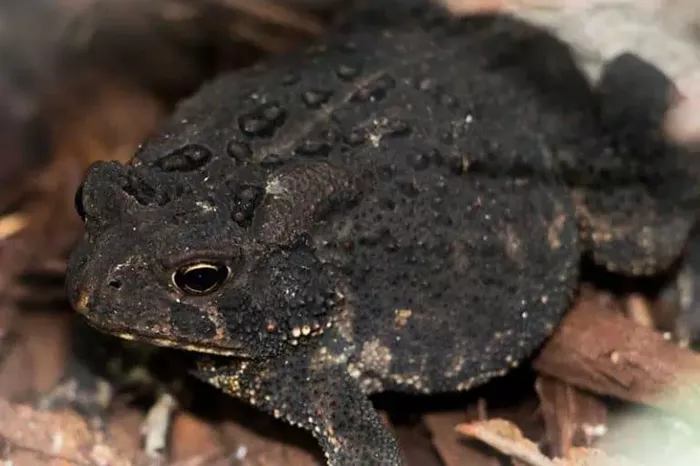
American toads (Anaxyrus americanus) are a common amphibian species in North America. They are usually brown or tan with darker spots, but sometimes people notice them turning black. This color change may seem unusual or alarming to casual observers. However, it is a natural and important aspect of their biology. Understanding why American toads turn black involves exploring their physiology, behavior, environment, and survival strategies. In this article, we will examine the reasons behind this fascinating phenomenon in detail.
Understanding American Toad Skin
The skin of American toads is more than just a protective layer. It plays crucial roles in thermoregulation, camouflage, and communication. The color of their skin is determined by specialized cells called chromatophores. There are three main types of chromatophores:
Melanophores
These cells contain dark pigments called melanin. They are primarily responsible for the black or dark brown color seen in toads. When melanin disperses throughout the skin, the toad appears darker.
Xanthophores
These cells hold yellow pigments and contribute to the lighter shades of the toad’s skin. Their presence balances the overall coloration.
Iridophores
These cells reflect light and create iridescent or shiny effects, which can enhance camouflage or warning patterns.
Environmental Factors Affecting Color Change
American toads often change color in response to environmental conditions. These changes are usually temporary and reversible.
Temperature
One of the most common reasons toads turn black is to regulate body temperature. Darker colors absorb more heat. On cool mornings or during colder seasons, American toads may become black to warm themselves faster and maintain activity levels.
Humidity
Moisture levels in the environment can influence skin color. When it is very humid, the skin may appear darker as cells expand and pigments disperse. This also helps to keep the skin hydrated.
Light and Sun Exposure
Exposure to sunlight can trigger temporary darkening. This is a protective mechanism to prevent UV damage. By becoming darker, toads can absorb heat without overexposing sensitive skin layers.
Behavioral Reasons for Darkening
Color change is not only a physiological response but also a behavioral adaptation. American toads may darken their skin for several behavioral reasons.
Camouflage and Predation
Turning black can help toads blend into shaded areas or wet soil, reducing visibility to predators. In forests or near ponds, dark skin makes them harder to spot by birds, snakes, or mammals.
Stress Response
When threatened or stressed, American toads may darken as a signal of alertness or readiness to escape. This sudden change can confuse predators or indicate that the toad is not an easy target.
Mating and Social Signals
Some studies suggest that darkening may play a role in mating behavior. Male toads may turn darker during the breeding season to show dominance or attract females.
Physiological Processes Behind Blackening
The process of turning black is controlled by hormones and neural signals. The most important hormone is melanocyte-stimulating hormone (MSH). This hormone regulates the dispersion of melanin within melanophores.
Hormonal Control
When MSH is released, melanin spreads through the skin cells, causing the dark color. Conversely, when MSH levels drop, melanin contracts, and the toad returns to its lighter shade.
Nervous System Influence
The sympathetic nervous system also plays a role. Sudden stimuli, such as predators or environmental changes, can trigger nerve signals that rapidly adjust skin color. This is why color change can occur in seconds or minutes.
Seasonal Color Changes
American toads may exhibit seasonal blackening, particularly during spring and fall. During these periods, temperature and moisture fluctuate, prompting the toad to adjust skin color for survival.
Spring Activity
As temperatures rise after winter hibernation, toads may appear darker to warm their bodies faster and become active sooner. This helps them reach breeding ponds and find mates.
Fall Preparations
In autumn, darkening may help toads absorb maximum heat before entering hibernation. This seasonal color adjustment ensures they maintain energy reserves during colder months.
Health-Related Factors
Although most blackening is normal, sometimes it may indicate health issues. Understanding these signs is important for naturalists and herpetologists.
Skin Diseases and Infections
Fungal or bacterial infections can cause abnormal pigmentation. Toads affected may have uneven dark patches rather than uniform blackening.
Injury or Stress
Physical injuries or prolonged stress can trigger melanin dispersion. While temporary darkening is harmless, persistent black patches may indicate underlying health problems.
Environmental Contaminants
Exposure to polluted water, chemicals, or pesticides can affect skin color. Contaminants may trigger stress responses or disrupt hormonal control, resulting in unusual darkening.
Comparison with Other Amphibians
Color change is not unique to American toads. Many amphibians, such as frogs and salamanders, exhibit similar behavior. Studying these patterns provides insights into evolutionary adaptation and survival strategies.
Frogs
Many frog species darken in cooler temperatures, just like toads. This is a thermoregulatory adaptation that helps maintain mobility in changing conditions.
Salamanders
Some salamanders change skin color during stress, mating, or environmental changes. These similarities suggest a shared evolutionary mechanism among amphibians.
Practical Implications for Observers
For those observing American toads, understanding why they turn black can enhance appreciation and prevent unnecessary concern.
Identification Tips
Even when black, American toads retain key identification features, such as warty skin, short legs, and parotoid glands behind the eyes. Recognizing these traits helps distinguish them from other species.
Conservation Awareness
Noticing color changes can provide clues about habitat quality. Darkening due to stress, pollutants, or environmental disruption signals the need for conservation measures.
Research Opportunities
Scientists continue to study the precise triggers and mechanisms behind color change in American toads. These studies contribute to broader understanding of amphibian biology, adaptation, and environmental health.
Field Studies
Observing toads in different habitats and seasons allows researchers to correlate color changes with temperature, humidity, and predator presence.
Laboratory Studies
Controlled experiments help clarify hormonal and neural pathways that govern blackening. Understanding these mechanisms may inform conservation strategies and environmental monitoring.
Conclusion
American toads turn black for a variety of natural reasons. Environmental factors, behavioral needs, hormonal processes, and seasonal adjustments all contribute to this fascinating phenomenon. While sometimes it may indicate stress or health concerns, most color changes are normal and adaptive. By understanding why American toads darken, we gain insight into their biology, behavior, and interactions with the environment. Observing these changes not only enriches our knowledge of amphibians but also highlights the delicate balance of ecosystems in which they thrive.