
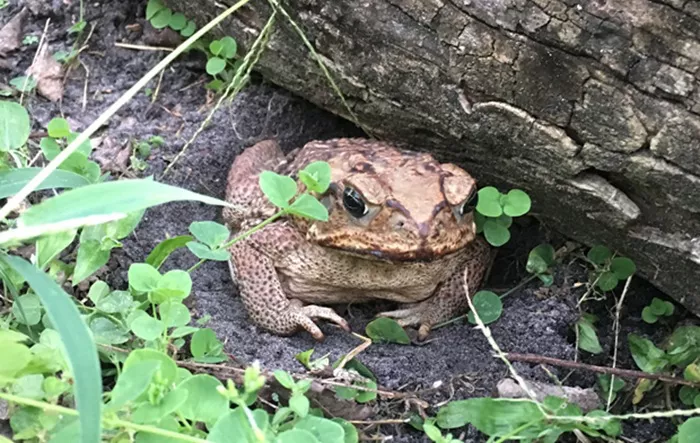
American toads are common amphibians found throughout North America. They are usually seen in gardens, forests, and near ponds. Many people wonder if these small creatures are dangerous to humans or pets. While toads are not aggressive, they do have certain defenses that can pose risks in specific situations. Understanding their behavior, habitat, and defense mechanisms can help clarify whether they are a threat.
Overview of American Toads
The American toad (Anaxyrus americanus) is a medium-sized amphibian with a stout body and rough, warty skin. They typically grow between 2 to 4 inches in length. Their coloration ranges from brown to gray, often with darker spots. These toads are primarily nocturnal and feed on insects, worms, and other small invertebrates.
Behavior and Temperament
American toads are shy and secretive creatures. They spend most of their time hiding under leaves, logs, or soil during the day. They are not naturally aggressive and usually avoid contact with humans. When threatened, their primary defense is to secrete toxins from their skin rather than attack.
Toxicity and Defense Mechanisms
One of the most important aspects of American toads is their ability to produce toxins. They have parotoid glands located behind their eyes that secrete a milky substance called bufotoxin. This toxin is designed to deter predators, including birds, snakes, and small mammals. While bufotoxin is not lethal to humans in small amounts, it can cause irritation or mild symptoms if ingested or if it comes into contact with mucous membranes.
Effects of Toad Toxins on Humans
If a person touches an American toad and then touches their eyes, mouth, or nose, they may experience mild irritation. Symptoms can include burning, redness, or swelling. In rare cases, ingestion of large amounts can cause nausea, vomiting, or dizziness. However, serious poisoning in humans is extremely uncommon. Children and pets are more at risk if they attempt to eat or handle toads.
Effects on Pets
Dogs and cats are more susceptible to the toxins of American toads. Pets that bite or lick a toad may show symptoms such as excessive drooling, pawing at the mouth, vomiting, or in severe cases, irregular heart rate and seizures. Immediate veterinary attention is recommended if a pet comes into contact with a toad.
Misconceptions About Toads
Many people mistakenly believe that American toads are highly dangerous or poisonous like some exotic amphibians. In reality, these toads are defensive but not aggressive. They do not bite, and their toxins are primarily a deterrent rather than a weapon. Understanding their natural behavior can reduce unnecessary fear.
How to Safely Handle American Toads
For those who wish to observe or relocate toads safely, it is important to follow precautions. Always wash your hands before and after handling. Avoid touching your face or eyes. If you are moving a toad, use gloves or a soft container to minimize direct contact with its skin. Never attempt to eat or harm a toad, as this can be dangerous to both the person and the animal.
Environmental Importance
American toads play a crucial role in controlling insect populations. They consume pests like mosquitoes, beetles, and slugs, helping maintain a balanced ecosystem. Additionally, they serve as food for many wildlife species. Protecting these amphibians is important for biodiversity and natural pest control.
Signs of Toad Presence
Toads are usually active during the evening or after rainfall. Gardeners and homeowners may notice them near water sources, under mulch, or in damp soil. Their presence is beneficial rather than harmful, as they reduce the number of insects and other invertebrates around homes and gardens.
Breeding and Lifecycle
American toads breed in shallow water bodies during the spring. Females lay strings of eggs that hatch into tadpoles. Tadpoles develop over several weeks before metamorphosing into juvenile toads. While tadpoles are harmless, adult toads maintain their toxins as a protective mechanism throughout life.
When Toads Can Pose Risks
Although American toads are generally safe, situations where they may pose minor risks include:
- Handling by children: Children may accidentally touch their eyes or mouth after touching a toad.
- Pet interaction: Pets that bite or lick a toad can suffer from toxin exposure.
- Allergic reactions: A small number of humans may be sensitive to toad toxins, experiencing skin irritation.
Tips for Coexisting with American Toads
Homeowners can enjoy the presence of toads while minimizing risks by following simple guidelines:
- Keep pets supervised outdoors.
- Teach children to observe but not touch toads.
- Provide natural hiding spots like logs or garden mulch to encourage toads to stay away from areas of frequent human activity.
- Ensure water sources are shallow and safe to attract toads without creating hazards for pets or small children.
Conclusion
American toads are fascinating and beneficial creatures. They are not aggressive and pose little danger to humans when respected and observed responsibly. Their toxins serve as a natural defense rather than a threat. While caution is advised for children and pets, the overall risk is minimal. Appreciating their ecological role can help people coexist safely with these unique amphibians.