
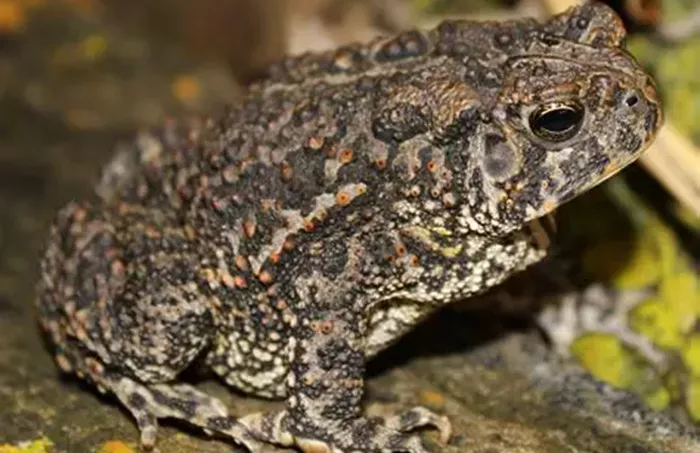
The American toad, scientifically known as Anaxyrus americanus, is one of the most widespread amphibians in North America. It lives in forests, fields, gardens, wetlands, and even suburban backyards. Many people keep American toads in outdoor enclosures or indoor terrariums. A common question from keepers and wildlife enthusiasts is simple: how much sunlight do American toads need?
This question is important because light affects temperature, behavior, feeding, immunity, and overall health. However, American toads are not reptiles. They are amphibians. Their relationship with sunlight is different from that of turtles or lizards. Understanding this difference is essential for proper care and ecological understanding.
In this article, we will examine the natural habitat of the American toad, how it uses sunlight in the wild, and how to provide appropriate lighting in captivity. We will also discuss seasonal variation, ultraviolet radiation, temperature regulation, and common mistakes in husbandry.
Understanding the Natural Habitat of the American Toad
Geographic Range
The American toad (Anaxyrus americanus) is found throughout much of the eastern and central United States and parts of Canada. It thrives in temperate climates with seasonal variation. Summers can be warm and humid. Winters are often cold, especially in northern regions.
Typical Microhabitats
In the wild, American toads spend most of their time in shaded or semi-shaded environments. They hide under leaf litter, logs, rocks, and dense vegetation. During the day, they avoid direct sun exposure. At night, they emerge to hunt insects.
This behavior tells us something important: American toads are not basking species. They do not sit in open sunlight for long periods like many reptiles. Instead, they prefer cooler, moist microhabitats.
Are American Toads Sun-Loving Animals?
Nocturnal and Crepuscular Activity
American toads are primarily nocturnal. This means they are active at night. They may also be active during twilight hours, which are known as crepuscular periods. During the heat of the day, they remain hidden.
Because of this lifestyle, direct sunlight exposure is usually limited in the wild. They are adapted to low-light conditions and shaded forest floors.
Moisture and Skin Sensitivity
Amphibians have permeable skin. American toads absorb water and even some oxygen through their skin. Direct sunlight can cause dehydration. Strong sun exposure dries out their environment and increases evaporation.
This is why American toads avoid long exposure to full sun. Their physiology favors humidity and moderate temperatures.
The Role of Sunlight in Amphibian Biology
Temperature Regulation
American toads are ectothermic animals. This means they rely on environmental temperatures to regulate their body heat. They do not generate internal heat like mammals.
However, unlike many reptiles, they do not depend heavily on basking. Instead, they select microhabitats that provide the temperature they need. They may briefly enter filtered sunlight in the morning or late afternoon to warm up slightly, but this is usually limited.
Ultraviolet Light and Vitamin D3
In reptiles, ultraviolet B (UVB) radiation is critical for vitamin D3 synthesis and calcium metabolism. Amphibians, including American toads, have different requirements.
Research shows that many amphibians can obtain sufficient vitamin D3 from dietary sources rather than direct UVB exposure. In the wild, insects contain nutrients that support calcium balance. Therefore, strong UVB lighting is not always required for captive American toads.
However, low levels of natural, indirect sunlight may still benefit general health.
How Much Direct Sunlight Do American Toads Need?
In the Wild
In natural conditions, American toads receive mostly indirect sunlight. They experience daylight cycles, but they remain in shaded areas during peak sun intensity. Direct exposure is often brief and accidental rather than intentional.
Therefore, they do not require hours of direct sun each day.
In Outdoor Enclosures
If you keep American toads outdoors, they should have access to both shaded and partially sunny areas. The enclosure must provide:
– Dense vegetation or cover
– Moist soil
– Hiding places such as logs or bark
– A shallow water source
It is acceptable for part of the enclosure to receive morning sunlight. However, full midday sun without shade can overheat the habitat and stress the toad.
How Much Artificial Light Do American Toads Need in Captivity?
Day-Night Cycle
American toads benefit from a consistent photoperiod. A simple 12-hour light and 12-hour dark cycle works well in most cases. In winter, you may reduce daylight hours slightly to simulate seasonal variation.
Do They Need UVB Lamps?
Unlike desert reptiles, American toads do not require strong UVB lighting. If UVB is provided, it should be low-intensity and indirect. Many keepers successfully raise healthy American toads using standard daylight bulbs without specialized UVB lamps.
If a UVB lamp is used, it should be positioned to avoid overheating and should not expose the toad to constant direct radiation.
Seasonal Differences in Sunlight Needs
Spring and Summer
During warmer months, American toads are active. They breed in early spring. They forage at night throughout summer. At this time, they benefit from natural day-night rhythms but still avoid strong sun.
Autumn and Winter
In colder regions, American toads enter brumation. This is a form of winter dormancy. They burrow below the frost line to avoid freezing temperatures. During this time, sunlight exposure is minimal.
In captivity, light cycles can be reduced during winter to simulate natural conditions, especially if you plan to breed them.
Risks of Too Much Sunlight
Dehydration
Excessive sunlight increases temperature and lowers humidity. American toads can quickly lose moisture through their skin. Dehydration can cause lethargy, skin problems, and even death.
Overheating
Temperatures above 85°F (29°C) for extended periods can stress American toads. Prolonged exposure to direct sunlight in enclosed spaces is especially dangerous.
Behavioral Stress
Toads exposed to constant bright light may hide continuously, refuse food, or show signs of distress. Light intensity should mimic natural woodland conditions.
Benefits of Proper Lighting
Normal Activity Patterns
Balanced lighting supports natural circadian rhythms. This helps regulate feeding, movement, and seasonal cycles.
Healthy Metabolism
While not UV-dependent like reptiles, American toads still benefit from stable environmental cues. Moderate light exposure supports overall physiological balance.
Practical Lighting Setup for Indoor Terrariums
Recommended Setup
– Low-wattage daylight bulb
– 12-hour timer
– Shaded hiding areas
– Moist substrate
– Stable room temperature between 65–75°F (18–24°C)
Always ensure that the toad can retreat completely from light when desired.
Common Myths About Sunlight and American Toads
Myth 1: They Need to Bask Like Lizards
This is incorrect. American toads do not bask in open sunlight for extended periods.
Myth 2: Strong UVB Is Essential
High-intensity UVB is not mandatory for this species when diet and supplementation are adequate.
Myth 3: More Light Means Better Health
Excess light can cause stress. Moderation is key.
Conclusion
American toads (Anaxyrus americanus) require surprisingly little direct sunlight compared to many reptiles. In the wild, they live in shaded, moist environments and avoid prolonged exposure to strong sun. They rely more on stable temperatures, humidity, and proper diet than on intense ultraviolet radiation.
In captivity, a consistent day-night cycle with low to moderate light intensity is sufficient. Direct, harsh sunlight should be avoided. Always provide shaded retreats and maintain appropriate moisture levels. By understanding their natural ecology and physiology, keepers can create environments that support long-term health and natural behavior.