
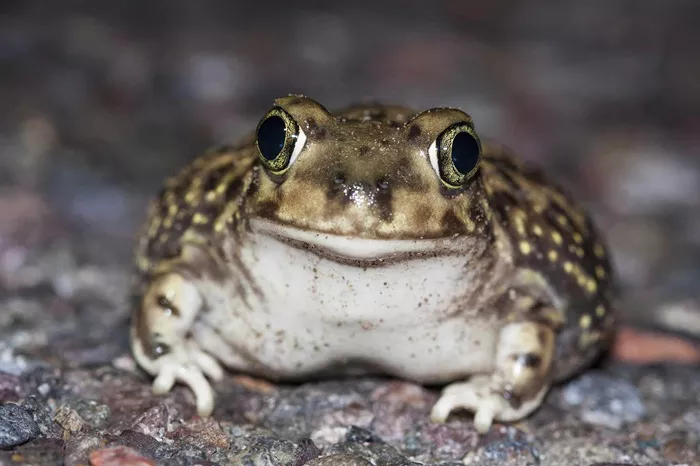
The American toad, scientifically known as Anaxyrus americanus, is one of the most familiar amphibians in North America. Many people see it in gardens, forests, parks, and even suburban yards. Because it often lives close to human homes, people frequently ask a simple question: are American toads friendly?
To answer this question, we must first understand what “friendly” means in the context of wildlife. Friendly can mean not aggressive. It can mean safe to observe. It can also mean comfortable around humans. However, wild animals do not behave like pets. They respond to their environment in ways that help them survive.
This article explains the behavior, temperament, and natural instincts of the American toad. It explores how they interact with humans, other animals, and each other. It also provides practical guidance for those who encounter these toads in their yards or while hiking.
What Does Friendly Mean in Wildlife Terms
In human society, friendly often describes warmth, affection, or social openness. In wildlife biology, the term has a different meaning. Scientists describe animals as aggressive, defensive, territorial, social, or solitary. They do not usually label them as friendly.
When people ask if American toads are friendly, they usually mean:
Do they bite or attack humans?
American toads rarely bite. They do not actively attack people. They are defensive animals, not aggressive ones.
Can they be handled safely?
They can be handled carefully for short periods, but frequent handling is not recommended. Their skin is sensitive and easily damaged.
Are they comfortable living near humans?
Yes. American toads adapt well to gardens and suburban environments. They benefit from human-altered landscapes that provide shelter and insects.
Natural Temperament of the American Toad
The American toad is generally calm and non-confrontational. Its main survival strategy is avoidance. When threatened, it prefers to remain still or hop away rather than fight.
This species evolved to avoid predators such as snakes, birds, raccoons, and skunks. Its behavior reflects this evolutionary history. Instead of aggression, it relies on camouflage and chemical defenses.
Passive Defense Strategy
When approached, an American toad may freeze in place. Its brown, gray, or reddish skin blends with soil and leaf litter. Remaining motionless reduces the chance of being noticed.
Escape Response
If the threat comes closer, the toad will hop away in short bursts. It does not chase or confront the source of disturbance.
Inflation Behavior
If grabbed, the toad may inflate its body. This makes it harder for predators to swallow. It is a defensive reaction, not a sign of aggression.
Do American Toads Bite
American toads are not known for biting humans. They do have small teeth, but these are used to grip prey such as insects. They are not designed to bite large animals or people.
In rare situations, a toad might open its mouth if restrained. However, this is extremely uncommon and does not usually result in injury. For most people, there is no risk of being bitten by an American toad.
Are American Toads Poisonous or Dangerous
American toads possess parotoid glands located behind their eyes. These glands produce a mild toxin. The toxin serves as a chemical defense against predators.
Effect on Humans
The toxin can irritate the skin or eyes if handled and then touched. Washing hands after contact is recommended. The toxin is not dangerous to healthy adults under normal circumstances.
Effect on Pets
Dogs are more sensitive. If a dog bites or mouths a toad, it may drool or foam temporarily. Severe reactions are rare but possible. Pet owners should supervise animals outdoors.
This defensive toxin does not mean the toad is aggressive. It simply provides protection.
Interaction with Humans
American toads often live near human homes. They are active at night and feed on insects attracted to lights. This brings them into close contact with people.
Garden Companions
Many gardeners appreciate American toads. They eat beetles, slugs, ants, and other pests. Their presence often indicates a healthy ecosystem.
Tolerance of Human Activity
These toads can tolerate moderate human disturbance. They may remain in yards year after year if suitable shelter exists.
Handling Considerations
If handling is necessary, hands should be clean and moist. Dry hands can damage the toad’s delicate skin. Handling should be brief to reduce stress.
Can American Toads Recognize Humans
American toads do not form emotional bonds with humans. Their brains are adapted for survival tasks such as finding food and avoiding predators. They do not recognize individuals in the same way mammals like dogs or cats do.
However, captive toads may become accustomed to routine feeding. They may learn to associate movement with food. This is a simple conditioning response rather than friendship.
Social Behavior Among Toads
American toads are mostly solitary. They do not live in groups except during breeding season.
Breeding Aggregations
In spring, males gather in ponds and call to attract females. This is a temporary social gathering. After breeding, individuals disperse.
Territorial Tendencies
Males may compete during breeding season. Outside this period, they show little territorial aggression.
This solitary lifestyle means they are not social animals in the human sense.
American Toads in Captivity
Some people keep American toads as educational pets. In captivity, their behavior remains calm and predictable if their needs are met.
Captive Temperament
They usually remain still during the day and become active at night. They do not seek human interaction.
Stress Factors
Excessive handling, loud noise, or poor habitat conditions can cause stress. Stress weakens the immune system.
Even in captivity, they should not be described as friendly in the human emotional sense. They are tolerant when properly cared for.
Are American Toads Good for Children to Observe
American toads are excellent animals for observation. They are slow-moving and easy to study in the wild. Children can learn about amphibian life cycles, metamorphosis, and ecology.
Supervision is important. Children should be taught to handle wildlife gently and to wash hands afterward.
Comparing American Toads to Other Amphibians
Compared to some frog species, American toads are less likely to leap long distances when disturbed. They rely more on camouflage.
They are generally calmer than highly active tree frogs. However, temperament varies by species and individual.
Misconceptions About Toad Friendliness
Some myths claim that touching toads causes warts. This is false. Warts are caused by viruses in humans, not amphibians.
Another misconception is that toads are aggressive because they release toxins. In reality, toxin release is defensive and passive.
How to Encourage Toads in Your Yard
If you appreciate American toads, you can create a welcoming habitat.
Provide Shelter
Rock piles, leaf litter, and garden debris offer hiding places.
Avoid Pesticides
Chemicals reduce insect populations and may harm amphibians directly.
Maintain Moist Areas
Toads need damp soil to prevent dehydration.
These actions help support biodiversity and natural pest control.
Understanding Defensive Posture
When a toad raises its body and stands tall, it may appear confrontational. In fact, this posture is defensive. It attempts to appear larger to predators.
This behavior should not be interpreted as aggression or hostility.
Ethical Considerations
Wild American toads play important ecological roles. They consume insects and serve as prey for larger animals. Removing them from the wild disrupts local ecosystems.
Observation without interference is the most responsible approach.
Scientific Perspective on Temperament
From a herpetological standpoint, American toads are categorized as non-aggressive amphibians with passive defense strategies. Their behavioral patterns prioritize survival through avoidance rather than confrontation.
This scientific classification aligns with the common perception that they are gentle and harmless.
Conclusion
American toads are not friendly in the human emotional sense, but they are calm, non-aggressive, and generally harmless. They do not attack people and prefer to avoid confrontation. Their mild toxins serve as protection rather than weapons. In gardens and natural spaces, they provide ecological benefits by controlling insect populations. When observed respectfully, American toads demonstrate a quiet tolerance that many people interpret as friendliness. Understanding their natural behavior allows us to appreciate them for what they truly are: resilient, defensive, and valuable members of the ecosystem.