
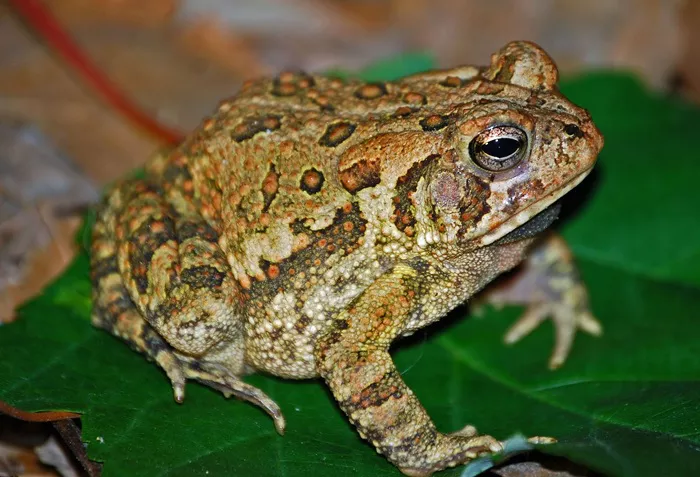
The Eastern American toad is a fascinating amphibian native to the eastern regions of the United States. Known for its distinctive call and warty skin, this species plays a crucial role in the ecosystem by controlling insect populations. One of the most common questions among enthusiasts and researchers is about their size. Understanding how big Eastern American toads grow is essential not only for identification but also for proper care in captivity and conservation efforts in the wild.
Overview of Eastern American Toads
The Eastern American toad, scientifically known as Anaxyrus americanus, is a member of the Bufonidae family. These toads are commonly found in forests, gardens, and suburban areas, often near water sources. They are adaptable and resilient, which contributes to their wide distribution.
Physical Characteristics
Eastern American toads have a variety of physical features that distinguish them from other amphibians. They have dry, warty skin, short legs, and prominent parotoid glands behind their eyes. These glands secrete a mild toxin to deter predators. Their coloration can vary from brown and gray to reddish hues, often with darker spots.
Size at Different Life Stages
Tadpoles
The size of Eastern American toads begins with the tadpole stage. Tadpoles are typically 1 to 2 centimeters in length at hatching. During this stage, they live in water, feeding on algae and other small particles. Over a period of 6 to 12 weeks, they undergo metamorphosis, gradually developing legs and losing their tails.
Juvenile Toads
After metamorphosis, juvenile toads emerge from water and begin their terrestrial life. Juveniles are generally 1.5 to 3 centimeters long. Their skin is smoother than adults, and they are often more active and agile. During this stage, their diet shifts from plant matter to small insects, which contributes to their growth.
Adult Toads
Adult Eastern American toads are significantly larger than their juvenile counterparts. The average size of an adult ranges from 5 to 9 centimeters in length, measured from snout to vent. Some individuals may reach up to 11 centimeters under optimal conditions. Females are typically larger than males, a trait that is common among amphibians, as larger size allows for higher reproductive capacity.
Factors Affecting Growth
Genetics
Genetic makeup plays a crucial role in determining the maximum size of Eastern American toads. Some populations have naturally larger individuals due to inherited traits. Genetic diversity within populations can influence the range of sizes observed in the wild.
Habitat
The habitat where a toad lives can greatly affect its growth. Areas with abundant food and proper moisture allow toads to reach their maximum size. Conversely, harsh environments with limited resources may stunt their growth.
Diet
Nutrition is another key factor. Eastern American toads are carnivorous and feed on insects, worms, and other small invertebrates. A consistent, protein-rich diet supports growth and overall health. Toads with limited access to prey may remain smaller than average.
Temperature and Climate
Being cold-blooded animals, toads’ growth is influenced by environmental temperature. Warmer climates encourage more active feeding and faster growth, while colder regions can slow metabolism and limit size.
Comparison with Other Toad Species
Eastern American toads are medium-sized compared to other toad species. For instance, the Fowler’s toad (Anaxyrus fowleri) has a similar range but tends to be slightly smaller, while the cane toad (Rhinella marina) from South America can grow much larger, reaching lengths over 20 centimeters. Understanding these differences helps in identifying and studying regional amphibians.
Lifespan and Growth Rate
Eastern American toads have a lifespan of 5 to 10 years in the wild, although some may live longer under ideal conditions. Growth occurs most rapidly during the first few years. By their second year, most toads reach near-adult size. Growth slows after sexual maturity, which usually occurs around 2 to 3 years of age.
Sexual Dimorphism and Size
In addition to size, males and females differ in other ways. Males often have darker throats and slightly shorter bodies compared to females. This size difference is directly related to reproductive roles. Larger females can produce more eggs, ensuring greater reproductive success.
Captive Growth Considerations
For hobbyists and researchers keeping Eastern American toads in captivity, understanding size potential is important. Providing a spacious terrarium, proper humidity, and a diet rich in insects allows toads to reach their full adult size. Avoid overcrowding, as competition for food can limit growth.
Interesting Facts About Toad Size
- Eastern American toads can inflate their bodies when threatened, making them appear larger than their actual size.
- Despite their relatively small size, they can consume prey nearly half their body length.
- Body size varies seasonally; toads may appear plumper before hibernation as they store fat reserves.
Predators and Size
The size of Eastern American toads affects their interactions with predators. Smaller juveniles are more vulnerable to birds, snakes, and mammals. Adults, with their warty skin and mild toxins, are less appealing to predators. Larger size also helps in deterring attacks, as bigger toads are harder to swallow.
Geographical Variations in Size
Populations of Eastern American toads in northern regions often grow slightly larger due to cooler climates promoting longer lifespans, while southern populations may reach maturity faster but remain smaller. Studying these variations helps biologists understand environmental influences on amphibian growth.
Role in the Ecosystem
Size also impacts the ecological role of Eastern American toads. Larger adults consume more insects, helping control pests. Smaller juveniles are important prey for other wildlife, supporting the food web. Their size thus influences both their survival and their contribution to biodiversity.
Conservation Considerations
Eastern American toads face threats from habitat loss, pollution, and climate change. Protecting environments that support optimal growth is critical. Conservation strategies include preserving wetlands, reducing pesticide use, and monitoring population sizes to ensure healthy adults that can reproduce successfully.
Conclusion
Eastern American toads grow from tiny tadpoles of just a few centimeters to adults typically measuring 5 to 9 centimeters, with some reaching 11 centimeters. Their size is influenced by genetics, habitat, diet, climate, and sex. Understanding their growth patterns helps with species identification, conservation, and responsible care in captivity. Observing these toads in their natural habitats provides insight into how size affects survival, reproduction, and ecological impact, highlighting the importance of protecting these remarkable amphibians.