
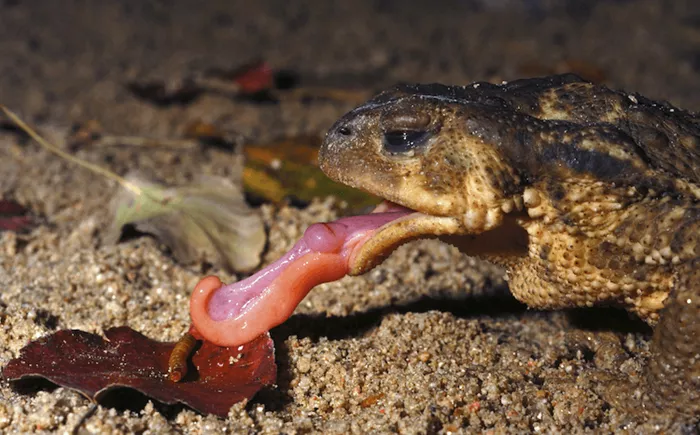
The American toad (Anaxyrus americanus) is a common amphibian found in North America. Many people enjoy keeping them as pets due to their manageable size and unique behavior. One of the most important aspects of caring for an American toad is understanding its diet. Feeding your toad properly ensures it stays healthy, active, and long-lived. In this guide, we will explore the best foods, feeding schedules, nutritional needs, and tips for keeping your American toad well-fed and thriving.
Understanding the American Toad’s Natural Diet
Insects and Invertebrates
In the wild, American toads primarily feed on insects. Common prey includes crickets, beetles, ants, and caterpillars. These foods provide essential protein and nutrients necessary for growth and energy. Toads are opportunistic feeders, meaning they will eat almost any small invertebrate they can catch.
Other Food Sources
Besides insects, American toads may also consume worms, spiders, slugs, and other small invertebrates. These foods contribute to a varied diet and help provide a balance of nutrients. Observing what wild toads eat can give insight into how to replicate this diet in captivity.
Feeding Your Pet American Toad
Live Foods
American toads prefer live prey. Offering live insects stimulates natural hunting behavior, keeping your pet active. Common live foods include:
- Crickets: Widely available and easy to feed, crickets are a staple for many amphibians.
- Mealworms: High in protein but should be fed in moderation due to their harder exoskeleton.
- Earthworms: Nutrient-rich and easy for larger toads to eat.
- Waxworms: High in fat; best as occasional treats.
Commercial Diets
While live food is preferred, some commercially available amphibian diets can supplement your toad’s nutrition. These diets come in pellet or dried insect form. Always ensure they are specifically designed for amphibians to meet their dietary needs. Supplements like calcium and vitamin powders may be necessary, especially for captive toads that do not get exposure to natural sunlight.
Feeding Frequency and Quantity
Juvenile Toads
Young American toads are growing rapidly and require frequent feeding. They should be offered food daily. Small portions of appropriately sized insects are ideal to prevent overfeeding and digestive issues.
Adult Toads
Adult toads require less frequent feeding. Offering food every 2-3 days is usually sufficient. Monitor your toad’s weight and activity level to adjust feeding frequency. Overfeeding can lead to obesity and health problems.
Preparation of Food
Gut-Loading Insects
Gut-loading is the process of feeding insects nutritious foods before offering them to your toad. This ensures that your pet receives extra vitamins and minerals. Crickets, for example, can be fed fresh vegetables or commercial gut-load formulas 24 hours before being fed to your toad.
Dusting with Supplements
Dusting insects with calcium or vitamin powder is recommended, particularly for toads in captivity without UVB exposure. This helps prevent metabolic bone disease and supports overall health. Use a light dusting for most feeds and avoid excessive supplementation.
Feeding Techniques
Hand Feeding
Some toad owners enjoy hand feeding, which can create a bond between pet and owner. Use tweezers to offer insects, ensuring safety for both the toad and the handler.
Feeding in the Enclosure
Placing insects directly in the terrarium encourages natural hunting behavior. Spread food in different areas to stimulate movement and activity. Remove uneaten insects after a few hours to maintain hygiene and prevent stress for your toad.
Foods to Avoid
Not all insects or human foods are safe for American toads. Avoid feeding:
- Pesticide-exposed insects
- Sticky or toxic insects like fireflies
- Human food, including fruits, vegetables, or processed snacks
- Large prey that the toad cannot swallow safely
Hydration and Its Role in Feeding
Water Access
While this guide focuses on diet, hydration is closely linked to feeding. American toads require constant access to fresh, clean water. Proper hydration aids digestion and nutrient absorption.
Moist Foods
Toads may benefit from moist prey, such as earthworms or soaked insects, especially in drier terrarium conditions. Moisture helps prevent dehydration and encourages active feeding.
Signs of a Healthy Diet
Physical Appearance
A well-fed toad will have smooth, slightly plump skin and show normal coloration. Sudden weight loss, dull skin, or lethargy may indicate dietary deficiencies or illness.
Behavior
Active hunting and regular movement are signs that your toad is healthy. A toad that refuses food for extended periods should be monitored closely and may require veterinary attention.
Seasonal Feeding Considerations
Winter and Brumation
American toads may enter brumation, a hibernation-like state, during winter. Feeding should be reduced or stopped as the toad becomes less active. Provide water and a safe, cool environment during this period.
Spring and Summer
During warmer months, toads become more active and require increased feeding. This is the optimal time to provide a variety of insects and supplements to support growth and reproduction.
Common Mistakes in Feeding
Overfeeding
Overfeeding can lead to obesity, sluggishness, and other health issues. Always monitor portion sizes and adjust according to your toad’s size and activity.
Improper Nutrition
Feeding only one type of insect or neglecting supplements can cause nutritional deficiencies. Variety is key to a balanced diet.
Feeding Non-Live Prey
American toads may ignore dead prey, which can lead to wasted food and missed nutritional opportunities. Whenever possible, offer live, appropriately sized prey.
Conclusion
Feeding an American toad requires attention to detail, knowledge of natural diet preferences, and careful planning. Providing a variety of live insects, occasional treats, and proper supplementation ensures your toad remains healthy and active. Monitoring feeding frequency, portion sizes, and behavior will help maintain the well-being of your pet. By understanding what to feed an American toad and how to prepare and present its food, caregivers can enjoy a rewarding and successful amphibian-keeping experience.