
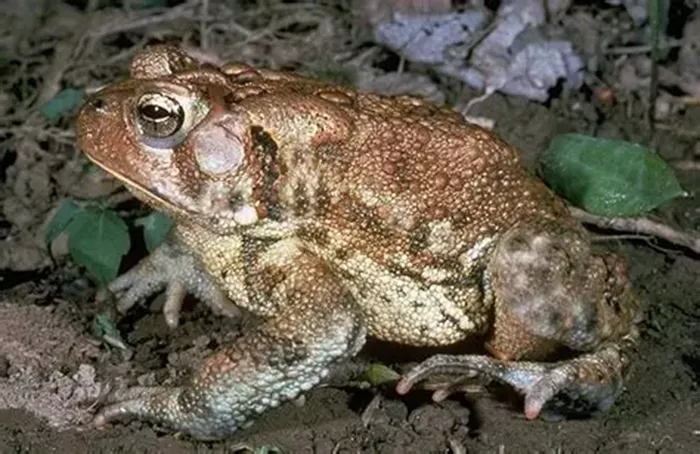
The eastern American toad is a common amphibian found in many parts of North America. Its scientific name is Anaxyrus americanus. People often encounter these toads in gardens, forests, and near bodies of water. A common question is whether these toads are poisonous and if they pose a danger to humans or pets. Understanding the eastern American toad’s toxicity is important for safely enjoying nature and interacting with wildlife.
Overview of the Eastern American Toad
The eastern American toad is small to medium-sized, typically ranging from 2 to 4 inches in length. It has a warty skin texture and a color pattern that varies from brown to reddish-brown or gray. These toads are nocturnal, meaning they are most active at night. They feed mainly on insects, spiders, and small invertebrates, making them helpful for natural pest control in gardens.
Physical Characteristics Related to Poison
One of the most notable features of the eastern American toad is its parotoid glands. These are large, raised areas located behind the eyes. The parotoid glands produce a milky substance called bufotoxin, which is mildly poisonous. This toxin serves as a defense mechanism to deter predators. The toad’s warty skin also plays a role in delivering this toxin when the toad is threatened or handled.
How the Toxin Works
Bufotoxin affects the nervous system and can cause irritation. For small animals, such as birds, snakes, or domestic pets like dogs and cats, ingesting or licking the toxin can lead to symptoms such as vomiting, drooling, or convulsions. In humans, the toxin is generally not lethal, but it can cause skin irritation, burning sensations, or temporary discomfort if it comes into contact with eyes, mouth, or broken skin.
Symptoms of Poisoning in Pets
If a pet, such as a dog, tries to eat an eastern American toad, symptoms may appear quickly. These can include:
- Excessive drooling or foaming at the mouth
- Redness or swelling in the mouth
- Vomiting or nausea
- Disorientation or tremors
- In severe cases, rapid heart rate or seizures
Immediate veterinary care is recommended if a pet comes into contact with a toad’s toxin.
Human Interaction with the Eastern American Toad
Most humans will not experience serious effects from the toxin. Touching a toad briefly is generally safe. However, it is important to wash hands thoroughly after handling a toad to avoid accidental contact with eyes or mouth. Children should be supervised to prevent them from putting toads in their mouths or rubbing their eyes after touching one.
Are All Eastern American Toads Equally Poisonous?
The level of toxin can vary depending on the age, size, and health of the toad. Adult toads generally have stronger toxins than juveniles. Toads that are stressed or feel threatened may secrete more toxin as a defense. Seasonal variations may also affect toxin production, as these toads are more active in warm, humid months when they feed and reproduce.
Precautions for Pet Owners
Pet owners living in areas where eastern American toads are common should take precautions to protect their pets. Keeping small dogs and cats away from areas with dense vegetation, ponds, or gardens can reduce the risk of accidental poisoning. If a pet does come into contact with a toad, rinse the mouth with water and contact a veterinarian immediately.
Precautions for Humans
For humans, it is safe to observe these toads in the wild without fear of severe poisoning. The following precautions are recommended:
- Wash hands thoroughly after handling a toad
- Avoid touching eyes, nose, or mouth
- Do not attempt to eat or capture wild toads for pets
- Teach children proper wildlife safety
Ecological Role of Eastern American Toads
Despite their mild toxicity, eastern American toads play a vital role in the ecosystem. They control insect populations, which benefits gardens and crops. They are also a food source for certain predators that can tolerate their toxin. Their presence is a sign of a healthy environment, and they help maintain the balance of local ecosystems.
Comparison with Other Toads
Eastern American toads are less toxic than some other species, such as the cane toad (Rhinella marina). Cane toads produce a more potent toxin that can be deadly to pets and humans in some cases. The eastern American toad’s toxin is milder, but it is still enough to discourage predators and cause mild symptoms in humans or pets.
Handling and Conservation
When handling eastern American toads, it is best to use gloves or a damp cloth. Avoid rough handling, which can stress the toad and trigger toxin release. Conservation of these amphibians is important, as habitat loss, pollution, and disease have reduced their populations in some regions. Observing toads without disturbing them is the safest approach for both humans and the toads.
Conclusion
The eastern American toad is mildly poisonous due to the bufotoxin secreted by its parotoid glands. While this toxin is not deadly to humans, it can cause irritation and minor symptoms if handled improperly. Pets are more susceptible and should be protected from contact. These toads are valuable for the environment, helping control insect populations and serving as a part of the natural food chain. By respecting their space and taking basic precautions, humans can safely coexist with eastern American toads while enjoying their ecological benefits.