
When it comes to understanding the natural world, many people often confuse the classifications of various species. One such common confusion is between amphibians and reptiles. Specifically, many may wonder whether a green tree frog, a popular amphibian, is a reptile. To answer this question, it’s essential to examine the key differences between amphibians and reptiles, as well as the specific characteristics of the green tree frog itself.
What is a Green Tree Frog?
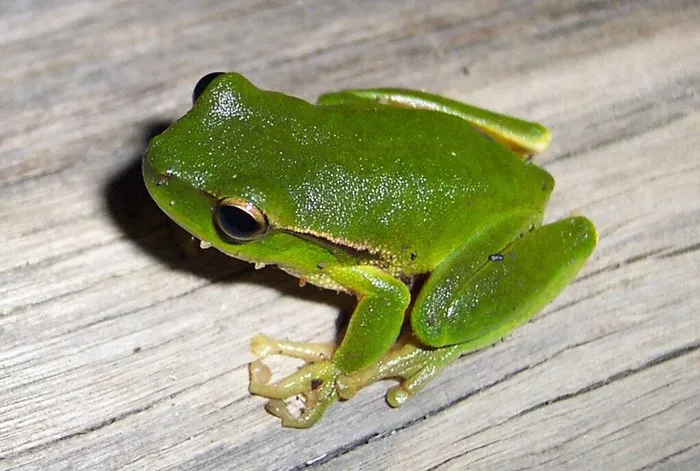
The green tree frog, scientifically known as Hyla cinerea, is a species of tree frog native to the southeastern United States. Known for its vibrant green color and large, round eyes, it is a popular species in both wild and captive environments. These frogs are often found in trees, near ponds, and in other moist areas where they thrive in warm, humid conditions.
Green tree frogs are primarily nocturnal, feeding on insects and other small invertebrates. Their bright green coloration helps them blend into their surroundings, making them harder for predators to spot. They are not just known for their appearance but also for their distinctive call, which resonates through the night, especially during breeding seasons.
What Are Reptiles?
Reptiles are cold-blooded vertebrates that typically have scaly skin and lay eggs with leathery or hard shells. This class includes snakes, lizards, turtles, and crocodiles. Reptiles generally live on land, although some, like sea turtles, live in aquatic environments. They are ectothermic, meaning they rely on external heat sources to regulate their body temperature.
The defining features of reptiles are their dry, scaly skin, the absence of a larval stage in their development, and their internal fertilization. Unlike amphibians, reptiles do not need to return to water to reproduce, although many will still live in proximity to water sources.
What Are Amphibians?
Amphibians, on the other hand, are a class of animals that include frogs, toads, salamanders, and newts. Amphibians are unique in that they generally live both in water and on land during different stages of their lives. For example, most amphibians begin their lives as aquatic larvae and undergo metamorphosis to become adults that can live on land.
Amphibians are cold-blooded like reptiles, but they differ significantly in other ways. They have smooth, moist skin that is permeable to water, which allows them to absorb oxygen directly through their skin. This characteristic makes amphibians highly dependent on wet or humid environments. They also tend to have a more complex life cycle than reptiles, with a larval stage that is absent in reptiles.
Why Is a Green Tree Frog Not a Reptile?
Now that we understand the key differences between amphibians and reptiles, it becomes clear that a green tree frog is not a reptile. While both amphibians and reptiles are cold-blooded vertebrates, there are several significant differences that place the green tree frog in the amphibian category:
- Skin Type: The green tree frog, like other amphibians, has smooth, moist skin that is permeable to water. Reptiles, in contrast, have dry, scaly skin that prevents water loss and helps them maintain hydration.
- Life Cycle: The green tree frog undergoes a metamorphosis during its life, starting as a tadpole in water and eventually becoming a terrestrial adult frog. Reptiles do not undergo such a metamorphosis and are born as miniature versions of adults.
- Respiration: Green tree frogs can breathe through their skin in addition to their lungs. This is a feature typical of amphibians, whereas reptiles rely solely on their lungs for respiration.
- Reproductive Habits: The green tree frog reproduces in water, laying its eggs in moist environments. In contrast, reptiles lay eggs on land, often with hard, leathery shells that protect the embryos from drying out.
Are There Any Similarities Between Amphibians and Reptiles?
Although green tree frogs are amphibians and not reptiles, there are still several similarities between the two groups. Both are ectothermic animals, meaning they cannot regulate their body temperature internally and depend on external heat sources. Both groups also have a similar body structure, being vertebrates with similar bone structures.
However, these similarities are not enough to classify green tree frogs as reptiles. The differences in skin texture, life cycle, reproduction, and respiration are what ultimately define frogs as amphibians rather than reptiles.
Why Understanding These Differences Matters
Understanding whether a green tree frog is a reptile or not is more than just a matter of classification. It helps in understanding their needs in terms of habitat, diet, and care. For instance, amphibians like green tree frogs require a humid environment with access to both land and water, while reptiles need dry environments with places to bask in the sun and regulate their temperature.
Moreover, understanding these differences can help us better protect these species in the wild. Since amphibians are often more sensitive to environmental changes, especially pollution and habitat destruction, recognizing the importance of their wetland habitats is crucial for their conservation.
Conclusion
In conclusion, a green tree frog is not a reptile. Despite some superficial similarities, such as being cold-blooded vertebrates, the green tree frog falls squarely into the amphibian category. With its smooth, permeable skin, unique life cycle, and reliance on water for reproduction, it has key differences that set it apart from reptiles. Understanding these differences is not only important for classification but also for ensuring the proper care and conservation of these fascinating creatures.