
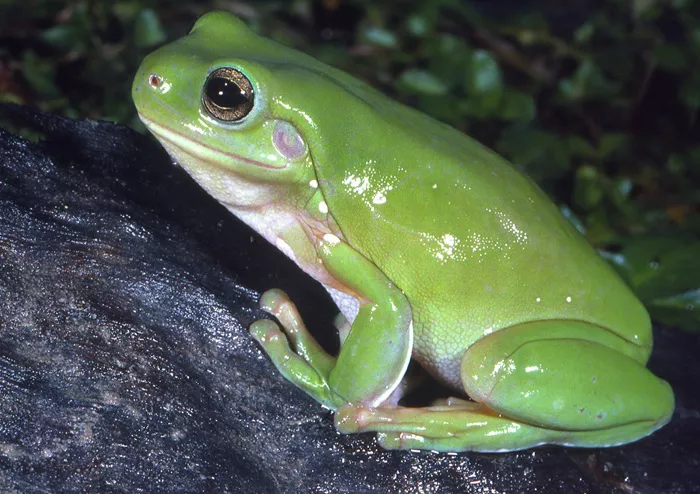
Green tree frogs are among the most recognizable amphibians in warm and humid regions of the world. Many people notice that these frogs sometimes look bright green, while at other times they appear brown, gray, or even yellowish. This observation often leads to a common question: do green tree frogs really change color?
The short answer is yes. Green tree frogs can change color. However, the process is not as dramatic as in some reptiles like chameleons. The change is subtle and serves practical biological purposes. It is controlled by specialized skin cells and influenced by environmental conditions, light, temperature, stress, and health.
In this article, we will explore how and why green tree frogs change color. We will examine the biological mechanisms behind this ability. We will also compare different species, including the American green tree frog (Hyla cinerea) and the Australian green tree frog (Litoria caerulea). By the end, you will understand not only whether they change color, but also how this fascinating adaptation works.
What Is a Green Tree Frog
The term “green tree frog” refers to several species of tree-dwelling frogs that are commonly bright green in color. These frogs belong to different genera but share similar ecological traits. They are arboreal, meaning they live in trees and shrubs. They are also nocturnal and prefer moist environments.
The American green tree frog is native to the southeastern United States. It is slender, with smooth skin and a white or pale stripe along its side. The Australian green tree frog, also known as the White’s tree frog, is larger and more robust. It has a waxy skin texture and a friendly appearance that makes it popular in captivity.
Although they are called “green,” their coloration is not fixed. Their ability to shift shades helps them adapt to different surroundings.
Do Green Tree Frogs Change Color
Yes, green tree frogs do change color. The change usually occurs between shades of green, brown, gray, and sometimes yellow. The transition can happen over minutes or hours, depending on the conditions.
This color shift is not permanent. It is reversible and dynamic. The frog does not “decide” to change color consciously. Instead, the process is automatic and controlled by physiological mechanisms within the skin.
Unlike reptiles such as chameleons, green tree frogs do not display bright, patterned changes. Their color changes are more about tone and shade than bold transformation.
The Biology Behind Color Change
The color change in green tree frogs is controlled by specialized pigment cells called chromatophores. These cells are located in layers within the frog’s skin.
Chromatophores Explained
There are three main types of chromatophores in amphibian skin:
1. Melanophores – contain dark pigments such as melanin.
2. Iridophores – reflect light using crystalline structures.
3. Xanthophores – contain yellow pigments.
The combination and distribution of pigments in these cells determine the frog’s visible color. When melanin spreads out within melanophores, the frog appears darker. When melanin concentrates toward the center of the cells, the skin appears lighter or greener.
Hormonal Control
Hormones regulate the movement of pigment within chromatophores. One important hormone is melanocyte-stimulating hormone (MSH). Changes in hormone levels cause pigment to disperse or contract inside the cells.
This mechanism allows gradual color adjustment without replacing the pigment itself.
Why Do Green Tree Frogs Change Color
Green tree frogs change color for several practical reasons. The main factors include camouflage, temperature regulation, light exposure, stress response, and health condition.
Camouflage
Camouflage is one of the most important reasons for color change. In bright green foliage, the frog appears greener. On darker bark or during dry conditions, it may turn brown or gray. This helps the frog avoid predators such as birds and snakes.
The shift is subtle but effective. It reduces visual contrast with the environment.
Temperature Regulation
Darker colors absorb more heat. When temperatures drop, a frog may appear darker to absorb more warmth from sunlight. In hotter conditions, it may become lighter to reflect heat.
This process supports thermoregulation, although frogs are ectothermic and rely mainly on environmental heat sources.
Light Exposure
Changes in ambient light also influence color. During the day, a frog resting in shaded vegetation may appear different from one exposed to sunlight. At night, the coloration can shift again.
Stress and Emotional State
Stress can trigger color change. Handling, loud disturbances, or sudden environmental changes may cause a frog to darken temporarily. This is linked to hormonal fluctuations.
Hydration and Health
Hydration levels affect skin appearance. A dehydrated frog may look dull or darker. Illness can also influence pigmentation. Persistent abnormal coloration may indicate health problems.
How Fast Does the Color Change Happen
The speed of color change varies. In some cases, changes can be noticeable within minutes. In other situations, the shift occurs gradually over several hours.
The response depends on the trigger. Sudden stress may cause a rapid darkening. Environmental shifts such as temperature changes usually lead to slower adjustments.
Do All Green Tree Frogs Change Color the Same Way
Not all species display identical patterns of color change. For example, the American green tree frog tends to shift between bright green and brown. The Australian green tree frog can show a wider range of tones, including bluish or yellowish shades.
Individual frogs within the same species may also vary. Genetics, age, and health contribute to differences in intensity and frequency of color change.
Is Color Change the Same as in Chameleons
Many people compare frogs to chameleons. However, their mechanisms are different.
Chameleons use structural changes in specialized cells called nanocrystals to reflect different wavelengths of light. Their changes can be dramatic and patterned.
Green tree frogs rely mainly on pigment movement within chromatophores. The change is more subtle and limited to tonal variation.
Environmental Factors That Influence Color
Humidity
High humidity supports healthy skin function. Frogs in moist conditions often appear brighter. Dry air may lead to darker or duller tones.
Background Color
Although frogs do not instantly match complex patterns, prolonged exposure to certain backgrounds can influence their general shade.
Seasonal Changes
Seasonal temperature and daylight variations may cause subtle long-term shifts in coloration.
Color Change in Captivity
In captivity, green tree frogs still change color. Owners often notice shifts between day and night. Proper lighting, humidity control, and stress reduction help maintain natural coloration.
Sudden persistent darkening may signal improper husbandry conditions, such as incorrect temperature or dehydration.
Common Misconceptions
Myth: Green Tree Frogs Change Color to Communicate
There is little evidence that these frogs use color change primarily for communication. Vocal calls play a much larger role in mating and territorial behavior.
Myth: Color Change Means the Frog Is Sick
Temporary color shifts are normal. Only prolonged abnormal coloration combined with other symptoms suggests illness.
Scientific Importance of Studying Color Change
Research on amphibian chromatophores contributes to broader understanding of cell biology, hormone regulation, and adaptive evolution. It also helps scientists monitor environmental health, since amphibians are sensitive to ecological changes.
Conclusion
Green tree frogs do change color, but the transformation is subtle rather than dramatic. Their skin contains specialized pigment cells that respond to hormones and environmental cues. These changes help them blend into their surroundings, regulate body temperature, and respond to stress. While they do not display the striking patterns of chameleons, their ability to shift shades remains an impressive biological adaptation. Understanding this process deepens our appreciation for amphibian physiology and highlights the delicate balance between these animals and their environment.