
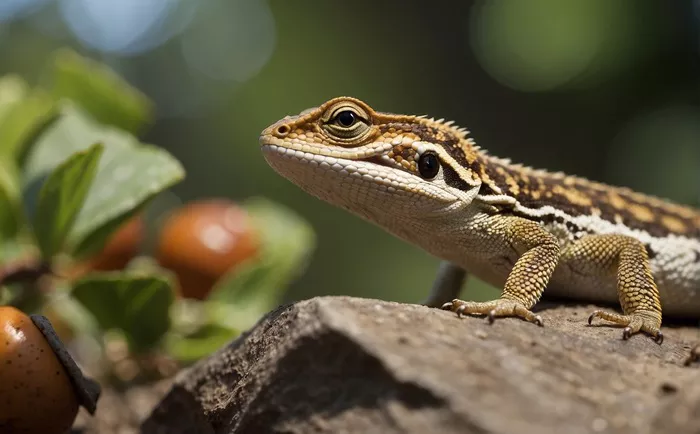
Lizards are fascinating reptiles that can be found in many parts of the world. They play an important role in controlling insects and maintaining ecological balance. Many people enjoy seeing lizards in their yards because they are harmless and help reduce pests naturally. But have you ever wondered what attracts lizards to your yard? Understanding their preferences can help you create a more lizard-friendly environment or manage their presence effectively.
Understanding Lizards and Their Behavior
Lizards are cold-blooded reptiles, meaning they rely on external sources of heat to regulate their body temperature. This behavior influences their habitat choices. They are most active during warm parts of the day and often seek sunny spots for basking. Lizards are also opportunistic feeders, primarily eating insects, spiders, and other small invertebrates. Their behavior is shaped by food availability, shelter, and environmental safety.
Food Sources That Attract Lizards
Lizards are naturally drawn to areas where food is abundant. If your yard provides a steady supply of insects, you are likely to attract lizards.
Insects and Small Bugs
The most important factor in attracting lizards is a rich insect population. Lizards feed on ants, beetles, grasshoppers, crickets, and flies. Gardens with flowering plants or compost heaps often host a variety of insects, which can draw lizards into your yard.
Snails and Worms
Some lizards also feed on snails and earthworms. Moist soil, mulch, and leaf litter create ideal conditions for these small creatures, indirectly attracting lizards.
Water Sources
Lizards, like all living creatures, need water to survive. While they can obtain moisture from their food, a nearby water source can increase the attractiveness of your yard.
Ponds and Water Features
Small garden ponds, birdbaths, or water fountains can attract lizards. These features also draw insects, which further supports the lizard population. Ensuring the water is shallow and has sunlit areas makes it even more appealing.
Moisture-Retaining Areas
Lizards are attracted to damp environments where they can hide from predators. Piles of leaves, mulch, or shaded soil areas provide the moisture they need. Garden areas that retain humidity, especially near plants, can become lizard hotspots.
Shelter and Hiding Places
Lizards seek safe places to hide from predators such as birds, cats, or larger reptiles. Providing shelter in your yard makes it more inviting for them.
Rocks and Stone Piles
Rocky areas, stone walls, and piles of rocks provide excellent hiding spots. Lizards can climb and bask on these surfaces while staying protected. Sun-exposed rocks are particularly attractive because they allow lizards to thermoregulate.
Garden Structures
Wooden logs, tree stumps, and garden sheds can also serve as shelters. Lizards use these structures to hide during the hottest or coldest parts of the day and to lay eggs in some species.
Plant Cover
Dense shrubs, tall grasses, and groundcover plants provide both shade and concealment. Lizards often hide among plant roots and leaves to avoid predators while waiting for prey.
Sunlight and Temperature
Being cold-blooded, lizards require warmth to stay active. Sunlit areas are crucial for their survival.
Basking Spots
Flat stones, fences, or open patches of soil that receive direct sunlight during the day are ideal basking spots. Lizards regulate their body temperature by moving between sun and shade, so your yard should offer a balance of both.
Temperature Variations
Lizards prefer warm but not excessively hot environments. Mid-morning and late afternoon sun exposure is often optimal. They will move into shaded or cooler areas during extreme heat.
Vegetation and Garden Layout
The type of vegetation and garden layout can significantly influence lizard activity.
Flowering Plants and Herbs
Flowering plants attract insects, which in turn attract lizards. Herbs like basil, mint, or oregano also bring insects and create microhabitats that lizards enjoy.
Layered Planting
Gardens with a mix of groundcover, mid-height plants, and tall shrubs create diverse habitats. Lizards use these layers for hunting, hiding, and nesting.
Human Activity and Lizards
Lizards are generally shy around humans but can adapt to yards where people are present without disturbing them excessively.
Minimal Disturbance
Lizards avoid areas with frequent movement or loud noises. Quiet, well-maintained yards are more likely to attract them. Avoid using harsh chemicals, as pesticides can reduce their food supply and deter them from visiting.
Pet Influence
Pets, especially cats and dogs, can scare lizards away. If your yard has high pet activity, lizards may only visit during quiet periods or avoid the area entirely.
Seasonal Influences
The presence of lizards in your yard can vary by season. Temperature, rainfall, and insect availability all influence their activity patterns.
Spring and Summer
Lizards are most active during warm seasons when food is abundant. Gardens flourish during these periods, providing both prey and shelter.
Autumn and Winter
During colder months, lizards may reduce activity or seek shelter in protected areas. Some species enter a period of brumation, similar to hibernation, reducing their visibility in the yard.
Creating a Lizard-Friendly Yard
If you wish to attract lizards, consider combining all the factors mentioned above.
Provide Food Sources
Encourage insects naturally by planting flowers, maintaining compost areas, and avoiding chemical pesticides.
Offer Water
Install shallow water features or ensure that certain parts of your yard retain moisture. Even a small birdbath can make a significant difference.
Build Shelters
Use rocks, logs, and dense vegetation to create safe hiding spots. Sunlit rocks will serve as perfect basking areas.
Maintain Balance
Provide areas of sunlight and shade, keeping a balance between warmth and protection. Avoid over-pruning or excessive yard maintenance that removes cover and food sources.
Common Misconceptions About Lizards in Yards
There are several myths surrounding lizards that can affect how people perceive them in their gardens.
Lizards Are Dangerous
Most small lizards found in yards are harmless to humans and pets. They rarely bite unless provoked.
Lizards Eat Plants
Contrary to some beliefs, lizards do not eat garden plants. They are carnivorous and feed mainly on insects and small invertebrates.
Lizards Damage Property
Lizards do not cause damage to gardens, lawns, or structures. They are beneficial predators that help control pest populations naturally.
Lizards as Indicators of Garden Health
Lizards can serve as indicators of a healthy garden ecosystem. A yard with lizards often has abundant insects, healthy soil, and sufficient vegetation. Their presence suggests that your yard provides a balanced habitat with the necessary resources for wildlife.
Conclusion
Lizards are natural visitors to yards that offer food, water, shelter, and suitable temperature conditions. Insects, moisture, rocks, sunlit areas, and diverse vegetation all play a role in attracting them. Understanding what lizards need helps gardeners create welcoming environments for these beneficial reptiles. By providing safe and balanced habitats, you not only enjoy observing these fascinating creatures but also benefit from natural pest control and a healthier garden ecosystem. Lizards, though small, contribute significantly to the balance of your yard, making them both interesting and valuable neighbors.
Related topics: