
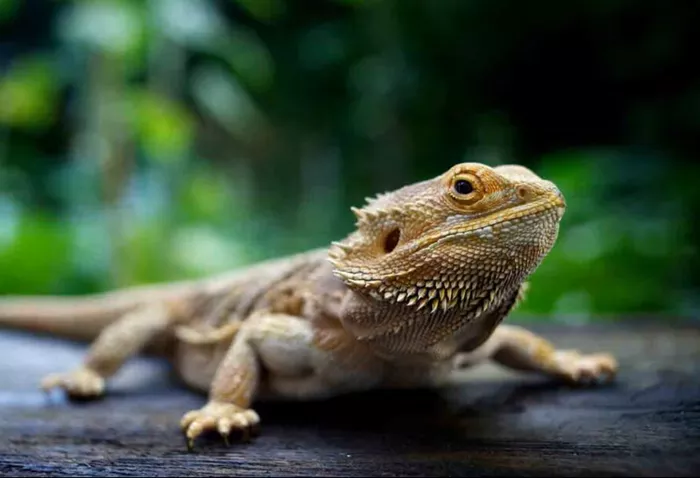
Lizards are fascinating reptiles that have become increasingly popular as pets. They are diverse, colorful, and often display interesting behaviors. However, not all lizards are suitable for beginners. Choosing the right lizard as a pet depends on factors such as size, temperament, care requirements, and lifespan. In this article, we will explore which lizards make the best pets, providing detailed guidance for both beginners and experienced reptile enthusiasts.
Factors to Consider Before Choosing a Pet Lizard
Before selecting a lizard as a pet, it is important to understand their needs. Here are key factors to consider:
Size
Lizards vary greatly in size. Some species, like geckos, stay small and are easier to house. Others, such as iguanas, can grow several feet long and require much larger enclosures. Consider the available space in your home before selecting a lizard.
Temperament
The temperament of a lizard affects how easy it is to handle. Some lizards are docile and enjoy interaction, while others are shy or aggressive. Beginners should choose calm species that tolerate handling well.
Dietary Needs
Lizards can be herbivores, carnivores, or omnivores. Some require live insects, others need fresh vegetables and fruits. Understanding their diet is essential for keeping them healthy.
Habitat Requirements
Different lizards require different environmental conditions. Some need high humidity, others require dry deserts. Lighting, temperature, and space are critical factors that affect their wellbeing.
Lifespan
Lizard lifespans vary from a few years to over twenty years. Be prepared for a long-term commitment if choosing a species with a long lifespan.
Best Lizards for Beginners
For new reptile owners, it is best to start with species that are easy to care for and handle. Here are some popular beginner-friendly lizards:
Leopard Gecko
The leopard gecko is one of the most popular pet lizards. It is small, docile, and easy to care for. Leopard geckos do not require high humidity, making them ideal for indoor enclosures. They have a long lifespan of up to 20 years in captivity and can be fed a simple diet of insects.
Bearded Dragon
Bearded dragons are larger lizards that are known for their friendly and calm temperament. They enjoy human interaction and are active during the day. Their diet includes vegetables, fruits, and insects. Bearded dragons require a basking area and UVB lighting but are otherwise hardy and easy to care for.
Blue-Tongue Skink
Blue-tongue skinks are medium-sized lizards with a unique appearance. They are tolerant of handling and are generally calm. These lizards are omnivorous and have simple dietary needs, making them suitable for beginners. They require a spacious enclosure with both warm and cool areas.
Crested Gecko
Crested geckos are small and low-maintenance. They are nocturnal and do not require live insects, as they can thrive on commercial gecko diet mixes and occasional fruit. Crested geckos are gentle and easy to handle carefully, making them excellent pets for children and first-time lizard owners.
Intermediate Lizards for Experienced Keepers
Some lizards require more care, specialized diets, or complex habitats. These species are suitable for those with some experience in reptile care.
Uromastyx
Uromastyx lizards are desert-dwelling herbivores that need high temperatures and plenty of sunlight. They are active during the day and enjoy basking on rocks. Their diet consists mainly of leafy greens and vegetables. Uromastyx lizards are hardy but require proper heat and lighting conditions.
Chameleons
Chameleons are beautiful and unique lizards known for their color-changing abilities. They are more challenging to care for, requiring high humidity, climbing structures, and live insect diets. Chameleons are best suited for dedicated keepers who can maintain their specific environmental needs.
Green Iguana
Green iguanas are large, striking lizards that can grow over six feet long. They require a spacious enclosure with UVB lighting, high humidity, and a varied diet of leafy greens, vegetables, and occasional fruits. Iguanas can live for over 15 years, making them a long-term commitment for experienced owners.
Special Considerations for Pet Lizards
When keeping lizards as pets, it is important to provide a safe and stimulating environment. Here are some key considerations:
Enclosure Size
Provide an enclosure that allows your lizard to move freely, bask, and hide. Larger enclosures are necessary for bigger species or active lizards.
Temperature and Lighting
Lizards are cold-blooded and depend on external heat sources to regulate their body temperature. Use basking lamps, heat pads, and UVB lighting to mimic their natural habitat.
Substrate and Hiding Spots
Provide appropriate substrate that matches the natural environment of the species. Include hiding spots, branches, or rocks to help your lizard feel secure and reduce stress.
Regular Feeding and Hydration
Offer a balanced diet suitable for the species and provide fresh water daily. Some lizards require live insects, while others may need specialized plant-based diets.
Health Monitoring
Regularly check your lizard for signs of illness, such as changes in appetite, lethargy, or abnormal shedding. Early detection is key to preventing serious health problems.
Common Mistakes to Avoid
Many new lizard owners make mistakes that can harm their pets. Here are common issues to avoid:
Improper Enclosure Size
Keeping a lizard in a small tank can lead to stress, stunted growth, and health problems. Always research the recommended enclosure size for your species.
Incorrect Temperature or Humidity
Temperature and humidity are critical for reptile health. Avoid sudden changes and provide consistent heating and lighting.
Poor Diet
Feeding inappropriate food can cause nutritional deficiencies. Learn the specific dietary needs of your lizard species.
Overhandling or Stress
While some lizards enjoy human interaction, overhandling can stress them. Allow your lizard to acclimate to its environment and handle it gently.
Conclusion
Choosing the right lizard as a pet requires careful consideration of size, temperament, diet, and habitat needs. Beginner-friendly species such as leopard geckos, bearded dragons, crested geckos, and blue-tongue skinks are excellent choices for those new to reptile keeping. Experienced keepers may enjoy the challenge of caring for chameleons, green iguanas, or Uromastyx lizards. By understanding the specific requirements of each species and providing a safe, enriched environment, you can enjoy the unique and fascinating companionship that lizards offer. Pet lizards can be rewarding, long-term companions when cared for responsibly.
Related topics: