
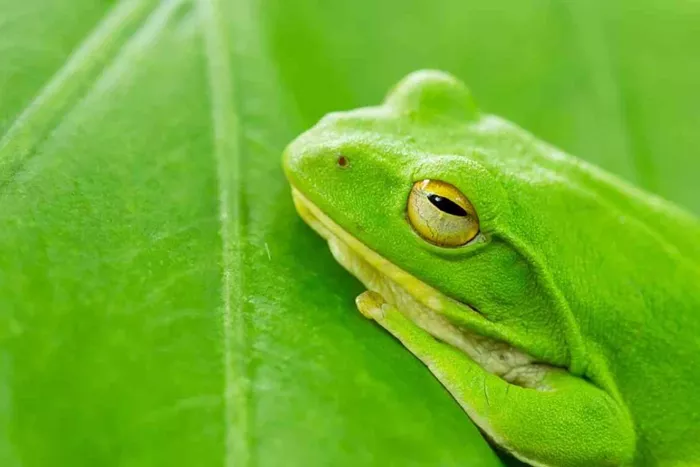
Green tree frogs are among the most popular amphibians kept as pets. They are known for their bright green color, gentle nature, and fascinating behaviors. These frogs are relatively small, typically growing between 1.5 and 2.5 inches in length. While they are visually appealing, keeping green tree frogs healthy requires a proper setup and consistent care. Understanding their needs is crucial for their well-being and longevity. This guide will provide a detailed overview of everything you need to create the ideal environment for a green tree frog.
Choosing the Right Enclosure
The enclosure is the most important factor in keeping green tree frogs. A proper tank ensures safety, comfort, and the correct environmental conditions. Green tree frogs are arboreal, meaning they spend most of their time climbing. Therefore, vertical space is essential.
Tank Size
A minimum tank size for one green tree frog is 10 gallons. However, for two frogs, a 20-gallon tank is recommended. A taller tank is better than a wider one to allow climbing space.
Tank Material
Glass terrariums are ideal because they retain humidity well and allow good visibility. Plastic tanks can be used, but they may not maintain proper humidity as efficiently.
Substrate Options
Substrate is the material at the bottom of the tank. It is important because it helps maintain humidity and prevents the frog from slipping or getting injured.
Coconut Fiber
Coconut fiber is a popular choice. It holds moisture well and is safe for frogs. It also allows for natural burrowing behavior.
Moss
Moss, such as sphagnum moss, can be used on top of the substrate. It helps maintain humidity and provides a soft surface for the frog.
Avoiding Hazardous Materials
Do not use gravel, sand, or wood chips, as these can be ingested by the frog, leading to health problems.
Maintaining Proper Humidity
Green tree frogs need a humid environment to thrive. Humidity levels should be between 50% and 70%.
Misting
Regular misting with clean, dechlorinated water helps maintain the right humidity. Mist the tank at least once or twice daily, depending on your environment.
Water Dish
Provide a shallow water dish with fresh water. The frog may soak in it, which helps with hydration and shedding.
Temperature Requirements
Temperature is another critical factor in keeping green tree frogs healthy. They are tropical animals and need a warm environment.
Daytime Temperature
The ideal daytime temperature is between 75°F and 85°F. This allows proper metabolism and activity.
Nighttime Temperature
At night, temperatures can drop slightly to 65°F to 75°F. Avoid sudden temperature fluctuations as they can stress the frog.
Heating Options
Use a low-wattage heat lamp or under-tank heater. Ensure the frog has a cooler area in the tank to regulate its body temperature.
Lighting Needs
Green tree frogs do not require intense UVB lighting, but a natural day-night cycle is essential.
Light Cycle
Provide 10 to 12 hours of light per day. This can be achieved with a standard fluorescent or LED light.
Avoid Direct Sunlight
Never place the tank in direct sunlight. This can overheat the frog and cause stress or death.
Decorations and Climbing Structures
Green tree frogs are climbers. Providing branches, vines, and plants enhances their environment and encourages natural behavior.
Live Plants
Live plants such as pothos or bromeliads can be used. They help maintain humidity and create hiding spots.
Artificial Vines and Branches
If live plants are not possible, artificial vines and branches can be used. Ensure they are clean and free of chemicals.
Water Quality and Maintenance
Clean water is crucial for green tree frog health. They are sensitive to chemicals and impurities.
Dechlorinated Water
Always use dechlorinated water for misting and in the water dish. Chlorine can harm the frog’s skin.
Cleaning the Tank
Remove uneaten food and waste daily. Clean the water dish regularly. Perform a deep clean of the tank every two to four weeks.
Feeding Your Green Tree Frog
Green tree frogs are carnivorous. They eat a variety of live insects, which provide essential nutrients.
Insects
Feed your frog crickets, small mealworms, or fruit flies. Avoid wild-caught insects as they may carry pesticides or parasites.
Feeding Frequency
Juveniles should be fed daily, while adults can be fed every other day. Remove uneaten food to prevent tank contamination.
Supplementing Nutrition
Dust insects with calcium or vitamin supplements 2–3 times per week. This prevents deficiencies and supports healthy growth.
Handling and Socialization
Green tree frogs are delicate and should be handled minimally. Frequent handling can stress them and damage their skin.
Safe Handling
If you must handle your frog, wash your hands and wet them first. Gently scoop the frog without squeezing.
Social Considerations
Frogs can be kept in small groups, but overcrowding can lead to stress and competition for food. Monitor interactions and provide hiding spots for each frog.
Health and Common Problems
Regular observation is important for early detection of health issues. Healthy frogs are active and alert with bright green skin.
Signs of Illness
Watch for lethargy, loss of appetite, abnormal skin color, or bloating. These signs may indicate infection or poor tank conditions.
Parasites and Skin Problems
Frogs can develop skin infections or parasites if the tank is not clean or if they eat contaminated insects. Quarantine new frogs before introducing them to your main tank.
Breeding Green Tree Frogs
Breeding green tree frogs in captivity requires proper environmental conditions.
Mimicking Seasonal Changes
Gradually lower temperatures and reduce feeding in winter to simulate natural conditions. Increase humidity and temperature during spring to encourage breeding.
Setting Up a Breeding Tank
Provide a shallow water area and plenty of climbing plants. Ensure the tank is clean and safe for eggs and tadpoles.
Enhancing the Frog’s Environment
Creating a stimulating environment is important for mental and physical health.
Enrichment Ideas
Add branches, hiding spots, and small climbing obstacles. Rearrange decorations periodically to keep the frog active and curious.
Natural Sounds
Some owners play soft nature sounds or record frog calls. This can reduce stress and encourage natural behaviors, but avoid loud noises.
Monitoring and Maintenance Checklist
Keeping green tree frogs requires regular attention. A checklist helps ensure all aspects of care are maintained.
Daily Tasks
- Mist the tank and maintain humidity
- Check water levels in the dish
- Feed frogs and remove uneaten food
- Observe frog behavior and appearance
Weekly Tasks
- Check tank temperature and lighting
- Clean water dish and remove waste
- Dust insects with supplements
Monthly Tasks
- Deep clean the tank and decorations
- Replace substrate if needed
- Trim live plants if overgrown
Conclusion
Keeping a green tree frog can be a rewarding experience. By providing a proper enclosure, maintaining the right temperature and humidity, offering suitable food, and ensuring regular maintenance, your frog can live a healthy and active life. Attention to detail, consistency, and observation are key to creating a thriving environment. With the right care, green tree frogs can become fascinating and long-lived companions in your home.
Related topics: