
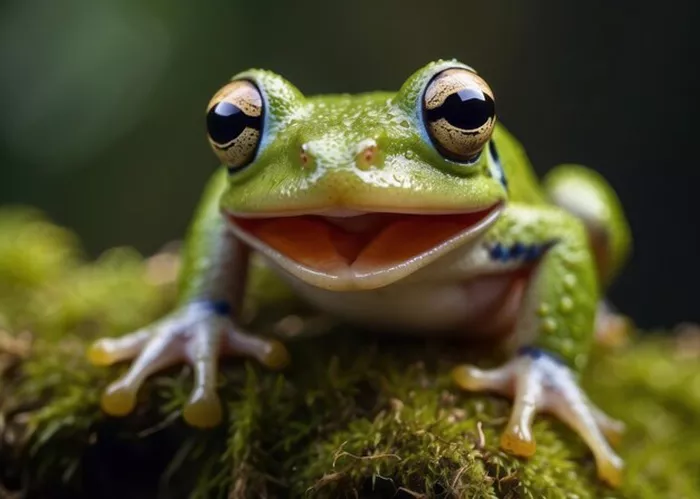
The greentree frog, also known as Litoria caerulea, is a popular pet due to its vibrant color, calm nature, and interesting behaviors. Owners often notice that their frogs occasionally open their mouths without any obvious reason. This behavior can be puzzling and sometimes concerning. Understanding why a greentree frog opens its mouth is essential for proper care and ensuring the health of your pet. In this article, we will explore the main reasons behind this behavior and how to respond appropriately.
Normal Behavior of Greentree Frogs
Greentree frogs exhibit a range of behaviors that may seem unusual to new owners. Opening their mouth is one of these behaviors. It is important to remember that not all mouth-opening indicates illness. Frogs use their mouths for breathing, regulating body temperature, and communicating. Observing the context and frequency of the behavior can help determine if it is normal or a sign of a problem.
Respiratory Movements
Frogs breathe through their skin and lungs. Sometimes a greentree frog may open its mouth to adjust its breathing, especially if it has been active or stressed. This is a natural response and does not usually indicate illness. Strong observation of the environment, including humidity and temperature, is essential because improper conditions can increase the frequency of this behavior.
Stretching or Yawning
Similar to other animals, greentree frogs may stretch or “yawn” by opening their mouths wide. This can be part of normal daily activity and is usually harmless. Observing your frog at different times of the day can help you recognize patterns in this behavior.
Signs of Illness
Although mouth-opening can be normal, it may also indicate health problems. Greentree frogs are sensitive creatures, and changes in behavior can be a warning sign of stress, illness, or injury. Below are the main causes to watch for:
Respiratory Infections
Respiratory infections are common in frogs and can cause them to open their mouths frequently. Signs include:
- Gasping for air or heavy breathing
- Excess mucus around the mouth or nostrils
- Lethargy or refusal to eat
These infections are often caused by poor humidity, low temperatures, or bacterial infections. Immediate attention from a veterinarian is necessary if you observe these signs.
Mouth Rot
Mouth rot is a bacterial infection that affects the tissue around the frog’s mouth. It can cause swelling, discoloration, and frequent mouth-opening. Mouth rot can be dangerous and requires prompt veterinary treatment. Maintaining clean water and proper hygiene in the enclosure is key to prevention.
Parasites or Internal Issues
Internal parasites can cause discomfort in frogs, leading to abnormal behaviors like opening the mouth repeatedly. Symptoms may include weight loss, bloating, or irregular movements. A fecal examination by a qualified veterinarian can confirm if parasites are present.
Environmental Factors
Sometimes the environment can cause your greentree frog to open its mouth. Factors such as humidity, temperature, and enclosure cleanliness play a significant role in frog behavior.
Improper Humidity
Greentree frogs thrive in high humidity, typically between 50% and 70%. If the enclosure is too dry, frogs may open their mouths to release stress or attempt to increase moisture absorption. Using a hygrometer and misting the enclosure regularly can help maintain proper humidity levels.
Temperature Stress
Frogs are cold-blooded animals. If the temperature is too low or too high, they may open their mouths to try to regulate their body temperature. Ensuring a stable temperature range of 22°C to 28°C is ideal for greentree frogs.
Enclosure Cleanliness
A dirty environment can lead to bacterial growth and irritate the frog. An unclean enclosure can also stress the frog, causing it to display behaviors like mouth-opening. Regular cleaning and replacing substrate and water are essential for a healthy frog.
Behavioral and Stress-Related Causes
Frogs can open their mouths due to stress or behavioral factors. Stress can come from handling, loud noises, or other pets in the area.
Handling Stress
Greentree frogs generally do not enjoy excessive handling. When stressed, they may open their mouths, hiss, or try to escape. Limiting handling and providing hiding spots can reduce stress-related mouth-opening behavior.
Predator or Threat Response
Even in captivity, a frog may perceive humans, other animals, or sudden movements as threats. Opening its mouth can be a defensive posture, signaling discomfort or an attempt to scare off a perceived threat.
Feeding-Related Causes
Sometimes, a frog opens its mouth in relation to feeding. This behavior is usually harmless and part of their natural hunting instincts.
Anticipation of Food
Greentree frogs are visual hunters and can recognize food movements. If your frog sees insects or detects vibrations, it may open its mouth in anticipation of eating.
Difficulty Swallowing
Occasionally, a frog may struggle to swallow its food. If you notice your frog frequently opening its mouth after feeding, it may indicate a problem with the food size or an obstruction. Offering appropriately sized prey items is important for preventing such issues.
Monitoring and Caring for Your Frog
Understanding the context of your frog’s mouth-opening behavior is crucial. Here are key tips for monitoring and caring for your greentree frog:
Observe Behavior Closely
Keep a log of when and how often your frog opens its mouth. Note any other unusual signs like lethargy, color change, or loss of appetite. Patterns can help identify whether the behavior is normal or a warning sign of illness.
Maintain Proper Enclosure Conditions
Ensure temperature, humidity, and cleanliness are within recommended ranges. A well-maintained enclosure reduces stress and prevents health issues.
Consult a Veterinarian When Needed
If your frog shows persistent mouth-opening, swelling, mucus, or other symptoms, it is important to seek professional veterinary care. Early intervention can prevent serious health problems.
Conclusion
Opening the mouth is a common behavior in greentree frogs and may have multiple explanations. In many cases, it is part of normal respiratory, feeding, or stretching behavior. However, it can also signal stress, environmental issues, or illness. Careful observation, proper enclosure management, and timely veterinary attention are essential to ensure your greentree frog remains healthy and stress-free. Understanding these behaviors not only improves your pet care skills but also enhances your appreciation of these fascinating amphibians.
Related topics: