
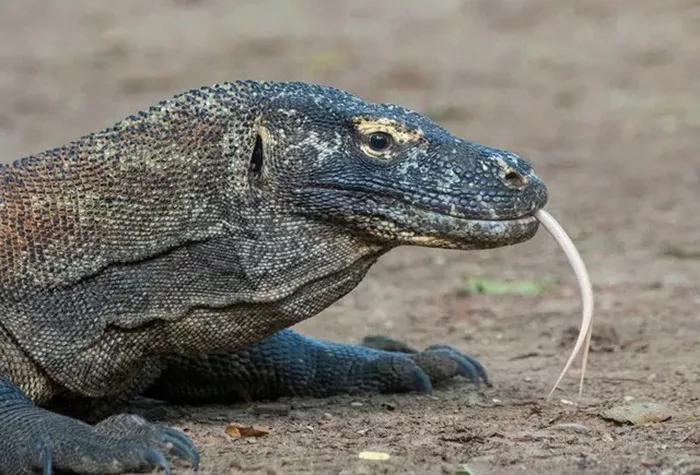
The animal kingdom holds many remarkable creatures, each with unique traits and fascinating behaviors. Among reptiles, lizards occupy an especially diverse and intriguing group. When people ask, “Who is the king of lizards?” they are typically referring to the most impressive or dominant species among lizards. While many lizards show extraordinary adaptations, one species stands out for its size, strength, ecological impact, and reputation: the Komodo dragon. In this article, we explore what makes the Komodo dragon the king of lizards. We will examine its biology, ecology, behavior, evolution, cultural significance, and conservation. The article is written in clear, simple sentences to be accessible to readers of all backgrounds. By the end, you will have a thorough understanding of why this species is often crowned the king of lizards.
Understanding Lizards
Lizards belong to the order Squamata, which also includes snakes. This order is one of the largest vertebrate groups on Earth. Lizards are found on every continent except Antarctica. They vary widely in size, shape, habitat, and behavior. Some are tiny, like geckos. Others, like the monitor lizards, are large. Some live in trees, others in deserts, and still others near water. Within this diversity, a few species stand out for their extraordinary traits. The Komodo dragon is one of these standout species. In this section, we briefly introduce what lizards are and how they fit into the larger animal world.
Lizard Classification
Lizards are reptiles, which means they are cold-blooded vertebrates. They have scales, lay eggs or give live birth, and rely on external heat sources to regulate their body temperature. Within Squamata, lizards are not a single natural group, but rather several lineages that share common features. Scientists classify lizards into families and genera based on anatomy, genetics, and other characteristics. For everyday readers, it is enough to know that lizards include a wide array of species with different lifestyles.
General Lizard Traits
Lizards typically have four legs, external ear openings, and movable eyelids. However, these traits vary. Some species, like glass lizards, have no legs. Some burrowing species have reduced eyes. Despite these differences, lizards share a common body plan that distinguishes them from snakes and other reptiles. Most lizards are insectivores, eating insects and other small prey. Others eat plants, eggs, or even small mammals. A few large species, such as marine iguanas, eat seaweed. Lizards are adaptable animals that have colonized many habitats around the world.
Introducing the Komodo Dragon
The Komodo dragon is widely considered the largest living lizard species. It is both feared and revered by people around the world. This lizard lives on a few islands in Indonesia. Its scientific name is Varanus komodoensis. The Komodo dragon combines immense size with powerful hunting skills. It is capable of taking down large prey, including deer and water buffalo. These characteristics contribute to its reputation as the king of lizards.
Where Komodo Dragons Live
Komodo dragons are native to a small group of Indonesian islands. These include Komodo Island, Rinca Island, Flores, Gili Motang, and Padar. The islands have tropical climates, with dry and wet seasons. Komodo dragons thrive in hot, dry environments with open grasslands, savannas, and forests. They also visit beaches and coastal areas. These islands provide the right mix of prey, shelter, and space for the dragons to survive and reproduce.
Physical Characteristics
The Komodo dragon is truly impressive in size. Adult males can reach lengths of up to 10 feet or more. Adult females are slightly smaller. A full-grown Komodo dragon can weigh over 150 kilograms. Its heavy body, strong limbs, and muscular tail give it great strength. The dragon’s skin is rough and armored with tough scales. These scales help protect it from injuries. The Komodo dragon also has a long, forked tongue. It uses this tongue to sense its environment, much like snakes do. This keen sense helps the dragon locate prey over long distances.
Behavior and Hunting
Komodo dragons are predators and scavengers. They hunt a variety of animals, including deer, wild boar, birds, and other reptiles. They are also known to eat carrion, which is the flesh of animals they find dead. Komodo dragons use both stealth and power when hunting. They can lie in wait for hours, motionless. When prey comes near, they strike with incredible speed. Komodo dragons have strong jaws and sharp teeth. Once they bite, they may follow wounded prey for hours until it weakens. Some studies suggest that bacteria and venom in the dragon’s bite play a role in subduing prey, though the exact mechanisms are complex and have been the subject of scientific research.
Why the Komodo Dragon Is Called the King of Lizards
Many factors contribute to the Komodo dragon’s title as the king of lizards. These include its size, strength, predatory abilities, ecological role, and cultural significance. In the following sections, we examine each of these factors in detail.
Size and Power
No other living lizard matches the Komodo dragon in size. Its sheer mass and length give it a commanding presence. In the wild, size often determines dominance. Larger animals can defend territory more effectively and can tackle larger prey. For lizards, the Komodo dragon’s size places it at the top of the hierarchy. It has few natural predators once fully grown. Humans pose the greatest threat to adult dragons, primarily through habitat loss and hunting in historical times.
Hunting Skill and Diet
Komodo dragons are apex predators within their ecosystem. An apex predator has no natural predators of its own and sits at the top of the food chain. This status is rare among reptiles and is part of what makes the Komodo dragon exceptional. The dragon’s ability to take down large mammals, including deer and wild boars, illustrates its hunting prowess. It can sprint in short bursts, climb trees when young, and swim between islands. These abilities make the Komodo dragon a versatile hunter.
Ecological Impact
The Komodo dragon plays a vital role in the ecosystems where it lives. As a predator and scavenger, it helps control populations of herbivores. This, in turn, influences vegetation and the overall balance of the ecosystem. Scavenging behavior also aids in nutrient recycling. When Komodo dragons consume carrion, they help return nutrients to the soil. In these ways, the dragon shapes the ecological community around it. Other lizard species, while ecologically important, do not occupy such a dominant position.
Cultural Significance
The Komodo dragon holds cultural importance in Indonesia and beyond. Local people have long respected these animals. Folklore and stories passed through generations feature the dragon. Today, the Komodo dragon is a symbol of Indonesian natural heritage. It draws tourists, scientists, and wildlife enthusiasts from around the world. This global recognition further solidifies its status as the king of lizards.
Comparisons with Other Large Lizards
Although the Komodo dragon is the largest lizard alive today, other large lizards are noteworthy. Understanding how the Komodo dragon compares with these species helps clarify why it stands out.
Monitor Lizards
Monitor lizards belong to the same genus as the Komodo dragon, Varanus. This genus includes many large and active species. For example, the Asian water monitor can grow to impressive lengths and is a formidable predator in its own right. However, no monitor species reaches the size or ecological dominance of the Komodo dragon. Monitor lizards are widespread, occupying diverse habitats from forests to rivers. In contrast, the Komodo dragon is restricted to a few islands, yet within this range it reigns supreme.
Other Giant Lizards
In the past, other giant lizards existed. Fossil evidence points to large prehistoric lizards that rivaled or even exceeded the Komodo dragon in size. These include species from the extinct family Mosasauridae, which lived in the oceans. While fascinating, these ancient giants are no longer alive. Among living lizards, the Komodo dragon remains unmatched in size and ecological impact.
Komodo Dragon Physiology
To understand the Komodo dragon’s dominance, it is useful to examine its physiology. The physical systems of this lizard support its ecological role and survival strategies.
Musculoskeletal System
The Komodo dragon’s skeletal and muscular systems are built for strength. Its strong legs support its heavy body and enable short bursts of speed. The long tail acts as a powerful counterbalance and can be used as a weapon. The dragon’s claws help it dig for food, climb when young, and manipulate objects in its environment. The jaw muscles power its strong bite. The teeth are sharp and serrated, ideal for tearing flesh.
Sensory Systems
Sensory perception is crucial for hunting and survival. The Komodo dragon’s sense of smell is especially acute. It uses its forked tongue to collect scent particles from the air. These particles are analyzed by the Jacobson’s organ in the roof of the mouth. This mechanism helps the dragon detect prey from several kilometers away. The dragon also has good vision during daylight hours. Night vision is less developed, but sufficient for low-light conditions.
Thermoregulation
As a reptile, the Komodo dragon depends on external heat sources to regulate its body temperature. It basks in the sun to warm up and seeks shade or cool burrows to avoid overheating. Thermoregulation influences its daily activity patterns. During the hottest part of the day, the dragon may rest to avoid excessive heat stress. In the cooler morning and evening hours, it becomes more active and hunts.
Reproduction and Life Cycle
Reproduction is a critical aspect of the Komodo dragon’s life history. Understanding how it reproduces and develops adds depth to our knowledge of its dominance.
Mating Behavior
Komodo dragons reach sexual maturity at around eight to nine years of age. Mating occurs during specific seasons, typically in the cooler months. Males engage in ritualistic combat over access to females. These fights involve wrestling and pushing. The stronger male usually wins and gains the right to mate. These behaviors reflect the competitive nature of reproduction among large predators.
Egg Laying and Incubation
Female Komodo dragons lay eggs in nests dug into the ground. A typical clutch contains around 20 eggs. The female may guard the nest aggressively to protect it from predators. Incubation takes several months. Temperature influences the rate of development. Once hatched, young dragons are on their own. Juveniles face many threats, including predation by adults. To avoid danger, young dragons often climb trees and live there until they grow larger and stronger.
Threats and Conservation
Despite its formidable nature, the Komodo dragon faces significant threats. Human activity and environmental change have placed these lizards at risk. Conservation efforts are crucial to their continued survival.
Habitat Loss
As human populations expand, the natural habitats of Komodo dragons shrink. Agriculture, development, and tourism infrastructure encroach on wild areas. Loss of habitat reduces available prey and safe nesting sites. It also fragments populations, isolating groups and reducing genetic diversity.
Poaching and Illegal Trade
In the past, Komodo dragons were hunted for their skins and body parts. While protections are stronger today, illegal trade still poses a threat. Poaching of prey species also impacts dragons by reducing food sources. Conservation laws and enforcement are necessary to combat these issues.
Climate Change
Climate change alters ecosystems worldwide. For Komodo dragons, rising temperatures and changing precipitation patterns affect prey availability and habitat conditions. Sea level rise threatens coastal areas where dragons live and hunt. Long-term climate shifts may force these lizards to adapt to new conditions or face population declines.
Conservation Efforts
Efforts to protect Komodo dragons include protected areas, research programs, and education. National parks on the Indonesian islands help safeguard habitat. Scientists monitor populations and study dragon ecology to inform management strategies. Local communities are also involved in conservation. By promoting sustainable tourism and community stewardship, these efforts aim to balance human needs with dragon protection.
Human Interactions and Cultural Impact
Humans have a long and complex relationship with Komodo dragons. Fear, reverence, curiosity, and scientific interest all shape perceptions of these lizards.
Fear and Respect
Komodo dragons inspire fear due to their size and predatory behavior. Stories of attacks on humans, though rare, fuel this fear. At the same time, local cultures respect the dragons as powerful beings. Traditional beliefs and rituals often reflect this dual perception. The dragon’s status in folklore contributes to its legendary image worldwide.
Tourism and Education
Komodo dragons draw tourists to Indonesia. Visitors come to see these giants in their natural habitat. Tourism generates income for local communities and supports conservation. However, it also requires careful management to prevent disturbance to wildlife and habitat degradation. Educational programs help visitors understand the ecological and cultural significance of the dragons. These programs foster appreciation and support for conservation.
Scientific Discoveries and Research
Research on Komodo dragons continues to reveal new insights. Scientists study their genetics, physiology, behavior, and ecology. These studies help answer fundamental questions about evolution and adaptation. For example, research into the Komodo dragon’s bite has explored whether venom plays a role in subduing prey. Other studies examine how these lizards navigate their environment and interact with other species. Scientific research not only deepens our understanding of the Komodo dragon but also informs conservation practices.
Myths and Misconceptions
The Komodo dragon’s fearsome reputation has led to myths and misconceptions. Separating fact from fiction helps readers appreciate the real animal. One common myth is that Komodo dragons chase humans over long distances. In reality, they may show interest or investigate movement, but sustained pursuit is rare. Another misconception is that all Komodo dragon bites are immediately deadly due to bacteria or venom. While their bites can be dangerous, the process of subduing prey is complex and not always instant. By understanding the truth, people can respect the Komodo dragon without exaggeration.
Future Outlook
The future of the Komodo dragon depends on continued conservation efforts. Protecting habitat, enforcing anti-poaching laws, and mitigating human-wildlife conflict are essential. Climate change adds urgency to these efforts. International cooperation and local engagement will play key roles. There is hope that with careful stewardship, the king of lizards will continue to thrive in the wild.
Conclusion
In the world of lizards, the Komodo dragon stands above all others. Its size, strength, ecological role, and cultural impact make it worthy of the title “king of lizards.” From its powerful hunting abilities to its dominant position in its ecosystem, the Komodo dragon captivates scientists and the public alike. While it faces threats from habitat loss, human activity, and climate change, ongoing conservation efforts offer hope for its future. Understanding and protecting this remarkable species ensures that the king of lizards remains a living symbol of reptilian power and biodiversity. By learning about the Komodo dragon’s life and challenges, we gain insight into the complexity of nature and the importance of preserving it for generations to come.
Related topics: