
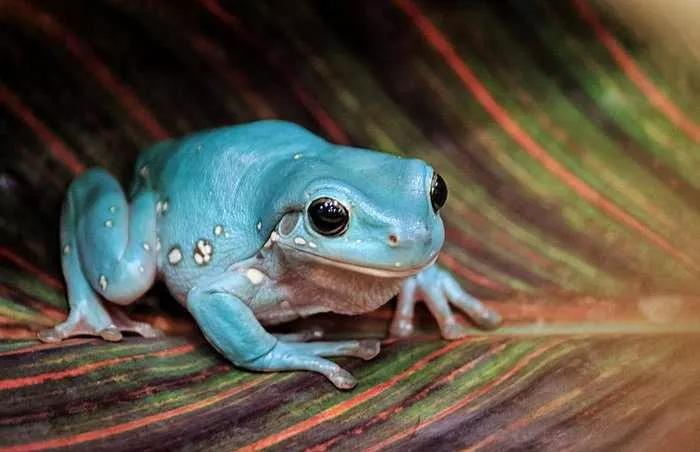
The white tree frog, also known as the albino or leucistic tree frog, is a unique and attractive amphibian. These frogs are popular among exotic pet enthusiasts due to their unusual color and engaging behavior. White tree frogs are part of the Hylidae family, which includes various tree-dwelling frogs known for their climbing ability. They are generally small to medium-sized and have smooth skin, making them visually appealing in any vivarium.
Before deciding to buy a white tree frog, it is important to understand their care requirements. These frogs need specific humidity, temperature, and diet to thrive. They are not ideal for beginners, as their health and well-being depend heavily on a well-maintained environment.
Understanding White Tree Frog Species
There are several species of tree frogs that can have white or pale coloration. The most common is the White or Albino Australian Green Tree Frog, which naturally comes in shades of white or cream due to genetic variations. Other species include leucistic varieties of other popular tree frogs.
Understanding the species you want is critical because care requirements may vary. For example, the Australian Green Tree Frog prefers slightly cooler temperatures, while other species may require warmer tropical conditions. Knowing the specific species also helps you identify reputable breeders and sellers.
Factors to Consider Before Buying
Buying a white tree frog requires more than just finding a seller. Here are some key factors to consider:
Legal Regulations
Some countries and regions have regulations on owning exotic frogs. It is essential to check local laws to ensure you can legally keep a white tree frog. Some species may be protected or require special permits for import and ownership.
Habitat Requirements
White tree frogs need a controlled environment to stay healthy. This includes appropriate humidity, temperature, and lighting. A well-planted terrarium with climbing branches and hiding spots is essential for their comfort. Without a proper habitat, frogs can become stressed, leading to illness or death.
Health Considerations
Only buy frogs from sellers who guarantee healthy animals. Signs of a healthy white tree frog include bright, clear eyes, smooth skin, and active movement. Avoid frogs with visible injuries, skin issues, or lethargy. Additionally, ensure the frog has been properly acclimated to captivity to reduce the risk of stress-related illness.
Cost Factors
White tree frogs can vary in price depending on their rarity, age, and breeding lineage. Albino or genetically rare variants may be significantly more expensive than common species. Be prepared to invest not only in the frog but also in its habitat and ongoing care.
Where to Buy White Tree Frogs
There are several reliable sources to purchase a white tree frog. Choosing a reputable seller is key to ensuring you receive a healthy and ethically bred animal.
Specialized Breeders
One of the safest ways to buy a white tree frog is through a specialized breeder. These breeders focus on specific frog species and maintain proper care standards. Buying from a breeder ensures the frog is captive-bred, which is healthier for both the animal and the environment.
Specialized breeders may offer frogs in different sizes and ages. Some breeders even provide care instructions and advice for maintaining a proper habitat. When choosing a breeder, ask about the frog’s lineage, health history, and any guarantees they offer.
Exotic Pet Stores
Some pet stores specialize in exotic amphibians. These stores can provide white tree frogs, along with terrariums, substrate, and accessories. While convenient, it is crucial to inspect the frog before purchase. Look for clear eyes, smooth skin, and active movement. Avoid stores that have poor hygiene or overcrowded tanks, as these conditions can lead to disease.
Reptile and Amphibian Shows
Reptile expos and amphibian shows are excellent places to find white tree frogs. These events often feature breeders and hobbyists who specialize in rare species. You can see the frogs in person, ask detailed questions, and sometimes negotiate pricing.
Buying at a show can be advantageous because you can meet the breeder directly. This provides assurance about the frog’s origin and health. Additionally, you can often purchase supplemental items like specialized lighting and diet supplements at the same event.
Online Amphibian Communities
Online forums and communities for frog enthusiasts can connect you with breeders and sellers. These communities often have classifieds or trading sections where captive-bred white tree frogs are available. While convenient, always verify the credibility of the seller and ensure proper shipping methods are used to prevent stress or injury to the frog.
How to Ensure a Healthy Purchase
When buying a white tree frog, take steps to ensure you are getting a healthy animal. A responsible seller will provide detailed information about the frog’s age, diet, and health history.
Inspect the Frog Before Purchase
Check for clear eyes, smooth skin, and active behavior. Avoid frogs that appear lethargic, have skin sores, or show signs of infection. A healthy frog is alert, climbs actively, and responds to handling gently.
Ask About Diet and Feeding
White tree frogs are carnivorous and typically eat live insects such as crickets, fruit flies, and small worms. Ensure the seller provides information about feeding schedules and nutritional supplements. Proper diet is critical to prevent vitamin and mineral deficiencies.
Acclimation Process
New frogs need time to adjust to their new environment. Ask the seller for advice on acclimation. This includes gradually adjusting the frog to new temperatures, humidity levels, and lighting. Sudden changes can stress the frog and lead to health problems.
Setting Up the Perfect Habitat
Creating the right habitat is crucial for the health and longevity of a white tree frog. Here are essential elements to include in the terrarium:
Tank Size
White tree frogs need space to climb and explore. A vertical terrarium is recommended to accommodate their arboreal behavior. A minimum size of 20 gallons is suitable for one frog, with larger enclosures preferred for multiple frogs.
Substrate and Plants
Use substrates that retain humidity, such as coconut fiber or sphagnum moss. Include live or artificial plants to provide hiding spots and climbing opportunities. Plants also help maintain humidity levels and create a more natural environment.
Temperature and Humidity
Maintain temperatures between 72°F and 80°F during the day and slightly cooler at night. Humidity should be kept between 60% and 80%. Use a hygrometer to monitor conditions and mist the terrarium regularly to maintain humidity.
Lighting and Day/Night Cycle
Provide a natural day/night cycle with a low-wattage UVB light. UVB light is essential for vitamin D synthesis, which supports calcium absorption. Avoid excessive lighting, which can stress the frog.
Feeding and Nutrition
White tree frogs are insectivores. Feed them a diet of live insects such as crickets, fruit flies, and small worms. Dust insects with calcium and vitamin supplements to prevent nutritional deficiencies.
Feed juvenile frogs daily and adult frogs every 2-3 days. Monitor feeding behavior to ensure the frog is eating properly. Uneaten insects should be removed to prevent stress and habitat contamination.
Health and Common Issues
Maintaining the health of a white tree frog requires careful attention to their environment and diet. Common health issues include skin infections, metabolic bone disease, and stress-related illnesses. Regular observation and proper care can prevent most problems.
Signs of Illness
Watch for lethargy, loss of appetite, skin discoloration, and unusual behaviors. Early detection is critical to effective treatment. Consult a veterinarian experienced with amphibians if you notice any concerning signs.
Preventive Measures
Maintain clean water, proper humidity, and temperature. Quarantine new frogs before introducing them to an existing habitat. Regularly clean the terrarium to reduce the risk of bacterial and fungal infections.
Ethical Considerations
Always buy captive-bred frogs to reduce the impact on wild populations. Avoid purchasing wild-caught frogs, as this can contribute to species decline and spread diseases. Supporting ethical breeders promotes sustainability and animal welfare.
Conclusion
Buying a white tree frog requires careful planning and research. Choosing a reputable breeder or seller, understanding the species’ needs, and providing a proper habitat are essential for a healthy and thriving frog. By following proper care guidelines and considering ethical sourcing, enthusiasts can enjoy the unique beauty and fascinating behavior of white tree frogs for many years. With patience, preparation, and commitment, owning a white tree frog can be a rewarding and educational experience.
Related topics: