
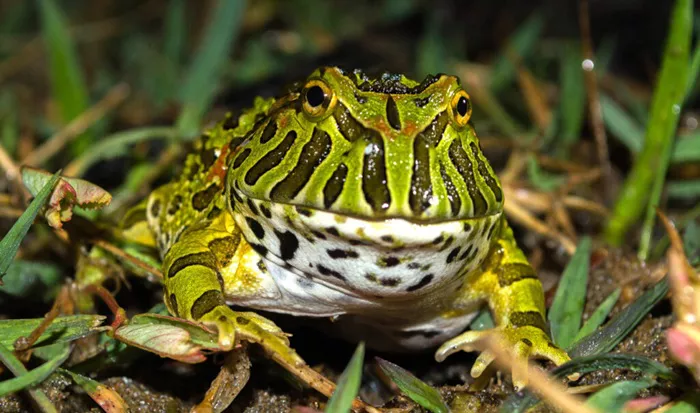
The Argentine horned frog, also known as the Cerathophrys ornata, is a popular pet in the world of exotic amphibians. These frogs are often called Pacman frogs because of their large mouths and round bodies. They are known for their vibrant colors, voracious appetite, and unique behavior. Taking care of an Argentine horned frog requires understanding its natural habitat, diet, and health needs. Proper care ensures that these frogs live long and healthy lives in captivity.
Understanding the Argentine Horned Frog
Appearance and Size
Argentine horned frogs are medium to large-sized frogs. Adult frogs can grow up to 6 to 7 inches in length. They have a wide, flat body and large, horn-like projections above their eyes. These frogs can display a variety of colors including green, brown, and yellow, often with unique patterns. Their appearance helps them blend into leaf litter in the wild.
Natural Habitat
These frogs are native to Argentina, Uruguay, and Brazil. They live in humid grasslands and forests. In the wild, they spend much of their time buried in soil or leaf litter. They are ambush predators, waiting for prey to come close before striking. Understanding their natural environment is important when recreating a suitable habitat in captivity.
Housing Requirements
Choosing the Right Enclosure
Argentine horned frogs need a secure and comfortable enclosure. A glass terrarium works well. For a single adult frog, a 10 to 20-gallon tank is sufficient. It should have a secure lid because frogs can sometimes push themselves out. Space is important, but these frogs do not require a large swimming area since they are mostly terrestrial.
Substrate Options
Substrate is important because these frogs like to burrow. Suitable substrates include coconut fiber, soil, or moss. Substrate should be kept moist but not waterlogged. Avoid sand or gravel as they can cause impaction if swallowed. A depth of 3 to 4 inches allows proper burrowing.
Temperature and Humidity
Maintaining the right temperature is critical. Daytime temperatures should be 75 to 85°F (24 to 29°C), while nighttime temperatures can drop to 70 to 75°F (21 to 24°C). Use a thermometer to monitor the environment. Humidity should remain 60 to 80%. Mist the tank daily and provide a shallow water dish. This keeps the frog hydrated and allows natural behavior.
Lighting
Argentine horned frogs do not require specialized UVB lighting. However, a regular day-night cycle helps regulate their behavior. 10 to 12 hours of light daily is sufficient. Avoid direct sunlight as it can overheat the enclosure.
Feeding and Nutrition
Diet in Captivity
These frogs are carnivorous and have a strong appetite. They eat insects, worms, and small animals. Common food includes crickets, mealworms, roaches, and small feeder fish. Adult frogs can also eat pinky mice occasionally. Food size should not exceed the width of the frog’s head.
Feeding Frequency
Young frogs should be fed daily, while adults can be fed two to three times per week. Overfeeding can lead to obesity, which is common in captive frogs. Always remove uneaten food after 24 hours to prevent contamination.
Supplements
To ensure good health, dust insects with calcium and vitamin supplements. Calcium prevents metabolic bone disease, while vitamins support growth and immune function. Supplements should be applied once or twice a week for adults, and more frequently for juveniles.
Water and Hydration
Water Dish
Provide a shallow water dish large enough for the frog to soak. Change the water daily to maintain cleanliness. This also helps maintain humidity levels. Use dechlorinated or spring water to prevent skin irritation and illness.
Misting
Daily misting helps maintain the correct humidity. Mist the substrate and walls of the enclosure lightly. Avoid creating standing water on the substrate. Consistent humidity allows the frog to shed skin properly and prevents dehydration.
Behavior and Enrichment
Natural Behavior
Argentine horned frogs are ambush predators. They often remain buried, waiting for prey. They are generally sedentary but can show bursts of activity when hunting or exploring. Understanding this behavior helps in feeding and habitat setup.
Handling
These frogs are not suitable for frequent handling. They have sensitive skin that can absorb oils and chemicals from human hands. Handling should be limited to tank maintenance or health checks. Always wash hands before and after touching the frog.
Health and Common Problems
Signs of Illness
Common health issues include obesity, skin infections, respiratory problems, and impaction. Symptoms may include lethargy, swelling, loss of appetite, or abnormal skin. Early detection is important for treatment. Regular observation helps prevent severe problems.
Preventing Diseases
Maintain a clean tank, remove uneaten food, and monitor water quality. Avoid using tap water with chlorine. Quarantine new frogs or insects before adding them to the main enclosure. Proper diet, hydration, and hygiene are essential to prevent disease.
Shedding
Argentine horned frogs shed their skin regularly. Provide a humid environment and ensure they have access to water. Do not remove shedding skin unless it is stuck around toes or eyes. Shedding is a natural process and indicates good health.
Breeding Argentine Horned Frogs
Breeding Conditions
Breeding these frogs in captivity requires simulating natural conditions. Increase humidity and slightly lower temperatures to mimic the rainy season. Introduce a suitable male and female in a large, well-prepared tank.
Eggs and Tadpoles
After mating, females lay eggs in shallow water. Eggs hatch in 2 to 3 weeks, producing tadpoles. Feed tadpoles with specialized food or finely crushed fish food. Maintain clean water and monitor development closely.
Metamorphosis
Tadpoles develop legs and begin absorbing their tails after several weeks. Once metamorphosis is complete, young frogs should be moved to a separate enclosure. Provide small insects and maintain high humidity for proper growth.
Tips for Long-Term Care
Consistency
Argentine horned frogs thrive on consistent care. Stable temperature, humidity, and feeding schedules prevent stress. Avoid frequent changes in the enclosure setup unless necessary.
Observation
Watch your frog for behavior changes. Sudden inactivity, loss of appetite, or abnormal skin can indicate health issues. Early intervention ensures better outcomes. Keeping a care log can help track feeding, shedding, and health.
Enclosure Maintenance
Clean the tank regularly but avoid harsh chemicals. Remove waste, old food, and mold. Replace substrate when necessary. Regular maintenance ensures a healthy environment and prevents disease.
Conclusion
Taking care of an Argentine horned frog requires dedication, knowledge, and attention to detail. Providing the right housing, diet, and environmental conditions ensures a long, healthy life for your frog. Observing natural behavior, maintaining hygiene, and addressing health issues promptly are essential for successful care. With proper care, these fascinating amphibians become rewarding and captivating pets. Understanding their needs and habits allows owners to enjoy the unique charm of the Argentine horned frog safely and responsibly.
Related topics: