
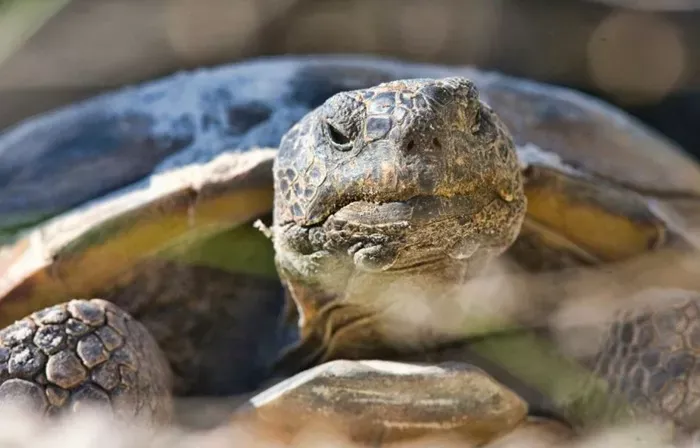
Have you ever wondered just how old tortoises can get? If you’ve seen a slow-moving reptile basking in the sun, you might have guessed they live long lives. But just how long is “long” in the world of tortoises? Let’s dig into this fascinating question and uncover some surprising facts about these ancient reptiles. Prepare to be amazed—some tortoises have outlived entire generations of humans!
What Is a Tortoise? Understanding These Unique Reptiles
Tortoises are land-dwelling reptiles known for their hard, dome-shaped shells and slow pace. Think of them like armored tanks, designed by nature to survive harsh environments. Unlike turtles, which often live in water, tortoises spend most of their time on land. This distinction is key when discussing their lifespan and habits.
The Record Holders: Tortoise Longevity in Numbers
Tortoises are famous for living exceptionally long lives. On average, many species can live for 80 to 150 years—far longer than most pets or even many humans! For example, the Galápagos tortoise, a true superstar among reptiles, often reaches 100 years and has been known to live beyond 150 years. One legendary Galápagos tortoise named Harriet reportedly lived to be around 175 years old—imagine celebrating that many birthdays!
Why Do Tortoises Live So Long? Unlocking the Secrets
You might be wondering: what’s their secret? Well, tortoises are like the “slow cookers” of the animal kingdom. Their metabolism is slow and steady, which means their bodies don’t wear out quickly. Just like how a slow-burning candle lasts longer than one that burns brightly, tortoises’ gentle pace helps them conserve energy and avoid stress on their organs.
Another reason for their longevity is their tough shell—a natural suit of armor that protects them from predators and environmental hazards. This shell is made up of bone and keratin (the same stuff in your fingernails), giving them an edge in survival.
Species Spotlight: The Giants and Their Lifespans
Let’s zoom in on some specific tortoise species:
- Galápagos Tortoise: These giants regularly live more than a century. In fact, researchers at Charles Darwin Research Station have documented individuals over 100 years old.
- Aldabra Giant Tortoise: Native to Seychelles, these gentle giants often reach ages between 100 and 150 years.
- Sulcata Tortoise (African Spurred): While not as massive as Galápagos or Aldabra tortoises, Sulcatas can still reach impressive ages of up to 70 years.
Each species has its own unique story and longevity record—pretty awesome if you ask any reptile keeper!
The Role of Environment: How Habitat Influences Lifespan
Just like humans need clean air and healthy food, tortoises thrive in environments that suit their needs. A balanced diet rich in greens and access to fresh water help them avoid common health issues. Wild tortoises living in protected habitats tend to outlive those kept in poor conditions or captivity without proper care.
As one seasoned reptile keeper once said, “A happy tortoise is a long-living tortoise!” Providing shelter from extreme temperatures, clean surroundings, and regular check-ups can make all the difference.
Human Impact: Conservation Efforts Matter
Sadly, many wild tortoise populations face threats from habitat loss and illegal trade. Conservation programs work hard to protect these ancient reptiles so they can continue living long lives. For example, breeding programs for endangered species like the Galápagos tortoise have helped restore numbers and ensure future generations can enjoy these living fossils.
What You Can Learn From Tortoise Longevity
If you’re inspired by tortoises’ ability to stick around for centuries, there’s something to learn here! Taking life slow, caring for your health, and adapting to challenges—these are qualities that help not just reptiles but all living creatures thrive. Next time you see a tortoise ambling along, remember it may have seen more sunrises than any person you know!
Fun Facts: Anecdotes From Real Keepers
Here’s something cool: a British zoo once celebrated the birthday of a radiated tortoise named Timmy who was thought to be over 160 years old! Another famous anecdote involves Jonathan the Seychelles giant tortoise who’s still alive at over 190 years old—making him possibly the oldest living land animal on Earth today.
As one zookeeper shared with us: “Watching Jonathan munch on his favorite leaves reminds me how much history he’s seen—he was born before electricity was common!” Don’t miss it—the stories these reptiles could tell would fill entire libraries!
The Science Behind Aging: Why Tortoises Stand Out Among Reptiles
Scientists studying reptile longevity have discovered that certain genes help protect against diseases related to aging. Tortoises also experience less oxidative stress (think of it like rust forming slowly instead of quickly), which helps keep their bodies working smoothly for decades upon decades.
This biological resilience sets them apart from other reptiles—and makes them fascinating subjects for ongoing research into aging.
Conclusion
Tortoises are truly remarkable among reptiles for their extraordinary lifespans. From the Galápagos giants to backyard Sulcatas, these ancient creatures remind us that slow and steady really does win the race when it comes to aging gracefully. Their ability to survive for centuries offers valuable lessons about resilience and adaptation—not just for reptiles but for all living beings.
Whether you’re a beginner reptile enthusiast or an experienced keeper, understanding why tortoises live so long can deepen your appreciation for these incredible animals. As we continue learning from nature’s oldest residents, let’s work together to protect their habitats so future generations can marvel at their longevity.
Related topics: