
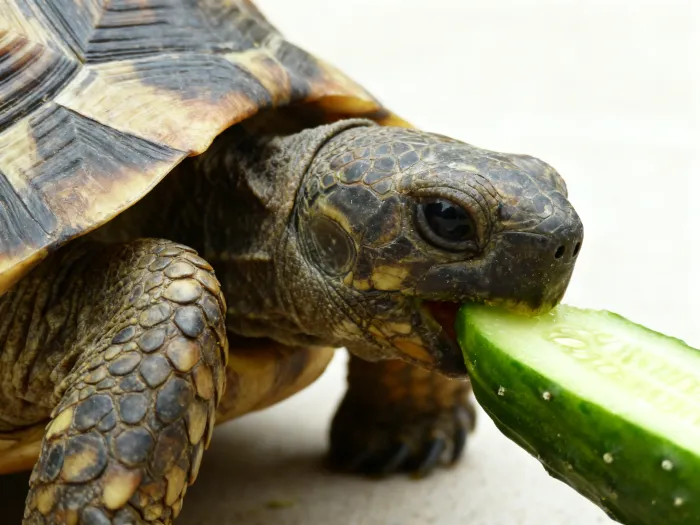
Have you ever found yourself staring at your tortoise, wondering if that crunchy green cucumber in your fridge could be its next snack? You’re not alone! Many reptile enthusiasts—especially those new to keeping tortoises—ask this exact question. Is cucumber safe for tortoises, or could it cause problems? Let’s unlock the secrets behind the reptile diet and find out. Keep reading for expert insights and practical advice you won’t want to miss!
Understanding Tortoise Diets: Not All Greens Are Equal
Tortoises are reptiles known for their slow pace and hardy shells, much like a living tank in your garden. But when it comes to food, they’re surprisingly picky. Think of their digestive system as a specialized blender—it works best with certain ingredients.
Most tortoises are herbivores, meaning they eat plants. Their natural diet consists mainly of leafy greens, grasses, and some flowers. Imagine their meals like a salad bar: lots of roughage, minimal fruit, and even less sugary treats. According to The Tortoise Trust, feeding tortoises the wrong foods can lead to health issues like shell deformities or digestive troubles.
Cucumber: A Crunchy Treat or Just Water?
So, can a tortoise eat cucumber? The short answer is yes—cucumber is not toxic for most tortoise species. But let’s dig deeper.
Cucumbers are made up of about 95% water. If you think of a cucumber as a sponge soaked with water, you’re on the right track. This means cucumbers offer hydration but not much nutrition. For tortoises, which need fiber and vitamins from leafy greens, cucumbers act more like a refreshing drink than a hearty meal.
Experienced keepers sometimes offer small slices of cucumber as a treat, especially during hot weather when hydration is important. However, overfeeding cucumbers can lead to diarrhea or poor shell growth because it lacks the nutrients tortoises need.
Species Differences: Not All Tortoises Are the Same
Let’s get specific! There are many types of tortoises—Greek tortoises, Russian tortoises, Sulcata (African spurred) tortoises—and each has unique dietary needs.
- Greek Tortoise: Prefers fibrous weeds and leafy greens; cucumber can be offered occasionally.
- Russian Tortoise: Enjoys a similar menu; use cucumber sparingly.
- Sulcata Tortoise: Needs lots of grass and hay; cucumber should be an occasional treat only.
Think of these differences like people preferring different cuisines—what works for one might not suit another!
Balancing Hydration and Nutrition: Don’t Skip the Salad
It’s tempting to give your tortoise what you enjoy eating, but remember: their bodies are wired differently! Cucumbers provide moisture but little else. Instead, fill their plate with dandelion greens, romaine lettuce (not iceberg), and other high-fiber plants.
A good analogy is comparing cucumbers to flavored water—refreshing but not filling. Tortoises need “whole meal” foods that keep their shells strong and their bodies healthy. According to Dr. John Wilkinson (herpetologist at the British Herpetological Society), “Cucumber should never be the main part of a tortoise’s diet—it’s more like dessert than dinner.”
Risks and Anecdotes from Real Keepers
Some keepers have shared funny stories about their pets chasing cucumbers across the garden like little armored race cars! While this shows how much some reptiles love the taste, moderation is key.
Too much cucumber can result in runny stools or lethargy—a sign your tortoise needs more solid foods. Think about what would happen if you ate only watermelon all week: tasty but not nourishing!
Safe Feeding Practices: How Much Is Just Right?
If you want to offer cucumber, slice it thinly and mix it with other greens. Once or twice a week is plenty for most species. Always remove seeds—their small size can cause choking in tiny reptiles.
Monitor your pet after feeding new foods. If you notice changes in behavior or droppings, adjust accordingly. “Awesome results come from careful observation,” says Sara Chen, a long-time reptile keeper.
Other Vegetables to Consider
Variety is vital! Alongside cucumbers, consider adding:
- Zucchini (another watery veggie—use sparingly)
- Bell peppers (colorful and rich in vitamin C)
- Squash (more fiber than cucumber)
- Carrot tops (not too many roots—high sugar)
- Collard greens (excellent staple)
Each vegetable brings something different to the table—just like building a balanced human diet!
What About Wild Tortoises? Lessons from Nature
In the wild, tortoises rarely encounter cucumbers unless they wander into someone’s garden patch! Their natural food sources are tougher—think prickly weeds and fibrous leaves. By mimicking this wild diet at home, you help your reptile thrive for years to come.
Conclusion
In summary, cucumbers can be a safe treat for most pet tortoises—but only in moderation and never as the main part of their diet. Remember that reptiles such as Greek tortoises and Sulcata tortoises need much more fiber and nutrients than cucumbers provide. By offering occasional cucumber slices alongside plenty of leafy greens and fibrous plants, you’ll keep your shelled friend healthy and happy.
The next time you reach for that crunchy green vegetable in your fridge, think of it as a refreshing snack—not the main course—for your reptile companion. With thoughtful care and attention to diet variety, you’ll unlock amazing health benefits for your pet tortoise—and enjoy watching them thrive!
Related topics: