
When you think about reptiles, maybe you imagine snakes slipping out of their old skin or lizards leaving flakes behind. But what about tortoises—do they shed too? If you’ve ever wondered about this unique aspect of tortoise care, you’re in the right place. Let’s dive into the world of these remarkable reptiles and unlock some surprising facts. Don’t miss it!
Understanding Shedding in Reptiles
Shedding, also known as ecdysis, is a common process among many reptiles. You might picture a snake wriggling free from its old skin like peeling off a sock. This helps them grow and stay healthy. However, not all reptiles shed in the same way—tortoises are a special case.
Do Tortoises Shed Their Skin?
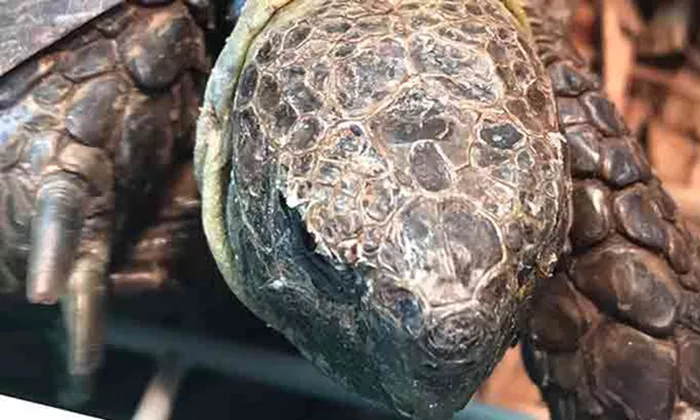
Unlike snakes, tortoises do not shed their skin all at once. Instead, their shedding is more like tiny flakes coming off bit by bit, similar to how humans lose dead skin cells. If you run your hand over a tortoise’s shell or legs, you may feel rough patches where old skin is peeling away slowly.
Tortoises shed mainly for two reasons: to grow and to replace old, damaged skin. Think of it as nature’s way of giving them a fresh coat! According to the International Reptile Conservation Foundation, shedding helps keep their skin healthy and free from parasites.
Shedding of Tortoise Shells: Myth vs Reality
Here’s an awesome fact: A tortoise’s shell is not something they shed! The shell is part of their skeleton—it’s made up of bones covered by plates called scutes. These scutes can flake or peel in thin layers as the tortoise grows or heals from injury. Imagine scutes like shingles on a roof; sometimes, old shingles get replaced by new ones underneath.
Real reptile keepers often notice tiny pieces of scute coming off after a tortoise has been basking in the sun. This is normal and nothing to worry about unless you see bleeding or soft spots on the shell.
How Often Do Tortoises Shed?
The frequency of shedding depends on the species (like Sulcata tortoises or Russian tortoises), age, diet, and environment. Young tortoises grow faster and might shed more often—think of kids outgrowing shoes every year! Adult tortoises shed less frequently but still renew their skin and scutes over time.
Signs Your Tortoise Is Shedding
You might notice:
- Dry patches on legs or neck
- Thin flakes on the shell edges (scute shedding)
- Dull coloration before new skin appears
- Increased rubbing against rocks or decorations in their habitat
If you spot these signs, congratulations! Your tortoise is going through a healthy shedding cycle.
Caring for Your Shedding Tortoise
Here’s how you can help:
- Ensure proper humidity: Dry air can make shedding harder, so misting helps.
- Offer rough surfaces: Rocks or wood let your tortoise rub off old flakes.
- Provide a balanced diet: Calcium and vitamins support skin health.
- Avoid peeling: Never pull off loose skin or scutes—let them fall naturally!
According to experienced keepers, letting nature take its course ensures your reptile stays comfortable and safe.
Common Problems During Shedding
Sometimes shedding doesn’t go smoothly. Watch out for:
- Retained scutes (stuck shell plates)
- Redness or swelling around peeling areas
- Soft spots on the shell (a sign of infection)
If you notice these issues, consult a reptile veterinarian immediately.
Why Is Shedding Important for Tortoises?
Shedding keeps your tortoise looking sharp and feeling good! It removes damaged skin and scutes, helping prevent disease and parasites. Just as we change our clothes to stay clean, tortoises “change” their outer layer bit by bit for lifelong protection.
Anecdotes from Real Keepers
One keeper shared that her Greek tortoise sheds tiny flakes every spring after spending time outdoors in warm weather. Another noticed his Sulcata tortoise rubbing against logs to loosen old scutes—almost like giving himself a mini spa treatment!
These stories show that shedding is a natural part of life for these fascinating reptiles.
Conclusion
In summary, while tortoises don’t shed their entire skin like some other reptiles, they do shed small pieces of old skin and shell plates as they grow and renew themselves. This process is essential for their health and well-being—just another reason why caring for reptiles is so rewarding!
By understanding how your tortoise sheds, you can offer better care and enjoy watching these amazing animals thrive. Whether you’re a beginner or an experienced keeper, remember: observing your reptile’s natural behaviors is both awesome and educational!
Related topics: