
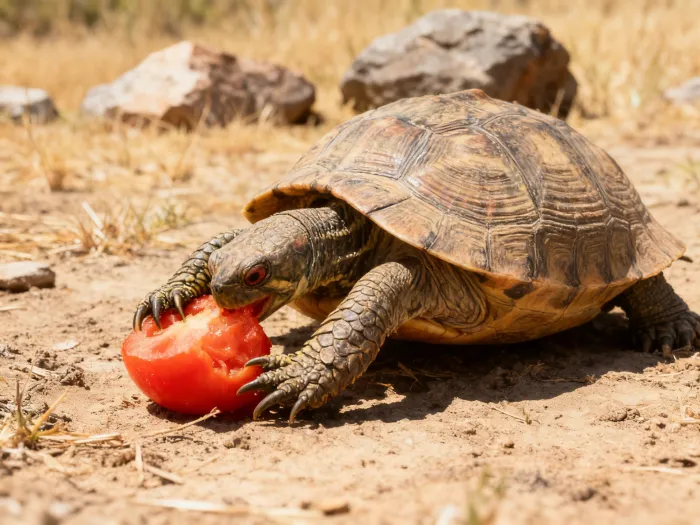
You may be wondering: can my tortoise eat tomatoes? It’s a common question among reptile enthusiasts and beginner keepers. Tomatoes are bright, juicy, and loved by humans—but are they safe for reptiles like tortoises? Let’s unlock this mystery together. Think of your tortoise like a picky eater at a buffet: not everything on the table is good for its health. This article will break down the facts using simple terms, engaging analogies, and expert advice, so you can confidently care for your shelled companion.
Understanding Tortoise Diets
Tortoises, as reptiles, have unique dietary needs compared to mammals or birds. Imagine their digestive system as a slow-moving conveyor belt—designed mostly for fibrous plant material like grasses and leafy greens. Species such as the Russian tortoise, Hermann’s tortoise, and Sulcata tortoise thrive on high-fiber diets with minimal sugar. According to the British Chelonia Group (BCG), feeding high-sugar fruits regularly can disrupt gut bacteria and cause health problems in these reptiles.
Tomatoes: What’s Inside?
Tomatoes may seem harmless—they’re fruits after all! But if you picture tomatoes as sweet candy compared to crunchy celery sticks, you’ll see why moderation matters. Tomatoes contain water, vitamin C, some fiber, but also natural sugars and a compound called solanine. Solanine is found mostly in tomato leaves and stems; in high amounts, it can be toxic to reptiles.
Are Tomatoes Safe for Tortoises?
The answer is not a simple yes or no. For most tortoise species, a small piece of ripe tomato given occasionally is unlikely to harm them. However, regular feeding or large quantities can lead to digestive upset—think of it like giving kids too much chocolate instead of vegetables. The sugar content may cause diarrhea or disturb their gut flora. Some keepers report that their Greek tortoises enjoy tomatoes as an occasional treat, but always in tiny portions.
Which Tortoises Can Eat Tomatoes?
Let’s break it down:
- Mediterranean tortoises (like Hermann’s and Greek): Only very small amounts, infrequently.
- African species (Sulcata tortoise): Even less frequently due to their natural diet of dry grasses.
- Red-footed tortoises: These tropical reptiles sometimes consume fruits in the wild and can tolerate slightly more tomato—but still only as a treat.
- Avoid feeding tomato leaves or stems: These parts contain higher levels of solanine and are not safe for any reptile.
Always observe your pet after introducing new foods; if you notice loose stools or lethargy, stop immediately. As Dr. Susan Donoghue notes in her reptile nutrition research: “Balance and variety are crucial; treats should never replace staple foods.”
Safe Feeding Practices: How Much Is Too Much?
Imagine tomatoes as sprinkles on an ice cream sundae—not the main ingredient! For most tortoises, one thin slice every few weeks is plenty. Chop the tomato finely to avoid choking hazards and remove all seeds and green parts. Offer alongside leafy greens like dandelion or endive for balance.
Some real-world advice from experienced keepers: “My Hermann’s tortoise gets excited over a cherry tomato once a month—it’s his version of dessert,” shares Lisa H., a member of the Turtle Rescue League.
Common Risks and Signs of Trouble
Overfeeding tomatoes can cause:
- Loose stools or diarrhea
- Lethargy (lack of energy)
- Changes in shell appearance over time due to poor nutrition
- Disrupted gut bacteria (leading to illness)
If you spot these signs, remove tomatoes from the diet immediately and consult a reptile veterinarian for advice.
Alternatives to Tomatoes: What’s Better?
Looking for healthier options? Stick with:
- Leafy greens (collard, mustard greens)
- Edible weeds (dandelion, plantain)
- Safe vegetables (squash, bell pepper)
These foods mimic what wild tortoises eat and keep your reptile happy and healthy—think of them as the “whole wheat bread” compared to “sweet pastries.”
Fun Facts: Tortoise Preferences
Did you know some tortoises have strong food preferences? Just like people who love pizza but avoid broccoli! Your pet may ignore tomatoes altogether or gobble them up with enthusiasm. Always watch for individual reactions and remember that variety is key.
Expert Tips for Responsible Reptile Care
- Research your species’ specific needs—each type of tortoise has unique requirements.
- Use tomatoes only as an occasional treat; never make them a staple food.
- Monitor health closely after new foods are introduced.
- Consult reputable sources such as the British Chelonia Group or experienced veterinarians for guidance.
Awesome care leads to awesome results—don’t miss out on seeing your reptile thrive!
Conclusion
Feeding tomatoes to tortoises can be safe if done sparingly and with careful attention to species-specific needs. Think of tomatoes as an occasional reward rather than a daily food item; moderation is essential to maintain optimal health for your shelled friend. Responsible reptile care means prioritizing leafy greens and natural plant matter over sweet treats.
In summary, while most tortoises can nibble on a small piece of ripe tomato from time to time, it’s best to focus on providing a varied diet rich in fiber and low in sugar. By following expert guidelines and observing your pet closely, you ensure its well-being—and enjoy many years together with your amazing reptile companion.
Related topics: