
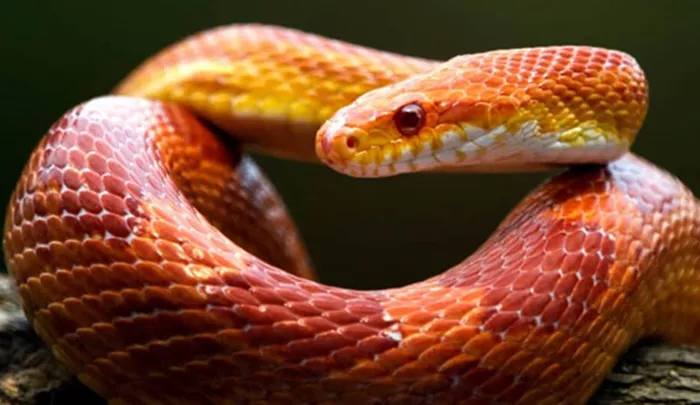
Corn snakes (Pantherophis guttatus) are one of the most popular and commonly kept pet snakes, and for good reason. They are docile, easy to care for, and thrive in captivity. But just like any other animal, ensuring that your corn snake is in good health is crucial. One of the key indicators of a snake’s health is its shape. The shape of your corn snake can tell you a lot about its overall well-being. But what exactly should a healthy corn snake shape look like?
In this article, we’ll explore the characteristics of a healthy corn snake’s shape, how to spot potential health issues, and what you can do to keep your corn snake in tip-top condition. By the end, you’ll know exactly what a healthy corn snake looks like, and you’ll be well on your way to providing the best care for your scaly companion.
What Does a Healthy Corn Snake Look Like?
General Body Shape
A healthy corn snake should have a smooth, muscular, and slightly tapered body that resembles a gentle curve. Their shape should not be too thin or too thick. Think of it like a piece of rope that gradually tapers at both ends. If your corn snake appears bloated, with a noticeable bulge in the middle or near the tail, it could be a sign of overfeeding, impaction, or other health concerns.
The body should be well-proportioned, without any obvious lumps or bumps that don’t match the natural contours of the snake. A healthy snake looks like it’s in motion even when still, with a smooth, symmetrical profile. If your snake is too thin, it may indicate underfeeding, stress, or illness. It’s important to remember that every snake is different, so slight variations in body shape are natural, but major deviations from this ideal should be a red flag.
Muscle Tone and Flexibility
When you handle your corn snake, it should feel solid but not rigid. The muscles should feel firm but not overly tense. If you gently squeeze the snake, you should feel some resistance, but the snake should still move fluidly without excessive effort. A snake that is too stiff or appears lethargic may have underlying health issues such as parasites, dehydration, or poor nutrition.
Think of it like this: Imagine you are picking up a garden hose. If it’s empty and stiff, it’s hard to handle. But if it’s filled with water, it has some give and moves more naturally. Similarly, a healthy corn snake should have that flexibility in its body, ready to slither, coil, and strike as needed.
Signs of an Unhealthy Corn Snake Shape
Visible Lumps or Bulges
If your corn snake’s body shape is out of proportion, it’s a clear indication that something may be wrong. Lumps or bulges can indicate a variety of health problems, including:
Internal parasites: Parasites can cause the snake’s digestive system to swell, making the body appear bloated.
Impaction: This happens when the snake cannot pass food or waste properly, often due to ingesting indigestible material like substrate.
Mites or skin issues: Sometimes external issues like mites can cause discomfort and changes in body shape.
Abnormally Thin Body
If your snake is excessively thin and its ribs or bones are visible through the skin, this could indicate that your snake is malnourished or not eating properly. It may also be stressed, sick, or suffering from an undiagnosed condition.
Think of it like a person who isn’t eating enough: You’ll see their bones or ribs protruding, and they’ll likely feel weak or tired. Similarly, a corn snake that’s too thin can suffer from weakened muscles, slow movement, and a compromised immune system.
Overweight Corn Snake
On the flip side, a corn snake that’s too thick around the middle could be overfed. This may be a result of offering food too frequently, choosing oversized prey, or not allowing the snake enough time to digest.
An overweight corn snake might appear sluggish and less active. Its body will likely have noticeable bulges, and it may struggle to move or coil comfortably. Just like humans, corn snakes can suffer from obesity, which can lead to serious health issues such as heart disease, liver problems, and reduced life expectancy.
How to Maintain a Healthy Shape for Your Corn Snake
Proper Diet and Feeding Habits
A balanced diet is one of the cornerstones of maintaining a healthy corn snake shape. While every snake is different, a typical corn snake’s diet consists of:
Mice or Rats: Depending on the snake’s size, corn snakes generally feed on frozen thawed mice or small rats. Young corn snakes (hatchlings) should be fed smaller prey, while adults can consume larger rodents.
Appropriate Feeding Frequency: Hatchlings typically eat every 5–7 days, while adult corn snakes only need to eat every 10–14 days. Overfeeding is a common mistake, leading to obesity or digestion problems.
Don’t be tempted to feed your corn snake larger prey just because it seems hungry. Snakes can go without food for weeks, and overfeeding can cause them to become overweight, which puts stress on their organs and shortens their lifespan.
Optimal Habitat and Temperature
Temperature regulation is essential for digestion and overall health. Your corn snake’s enclosure should be maintained at the right temperature, with a warm side (85–90°F) and a cooler side (75–80°F). This allows the snake to regulate its body temperature, which in turn helps with digestion and metabolism.
If the enclosure is too cold, your snake may not digest its food properly, leading to weight gain or impaction. On the other hand, if it’s too hot, your snake may become stressed or dehydrated, leading to health issues that can affect its body shape.
Hydration and Shedding
Make sure your corn snake has constant access to fresh water. Dehydration can affect its skin, muscles, and overall shape. Additionally, regular shedding is important for maintaining a healthy, smooth body. If your snake is having trouble shedding, it could be a sign of dehydration, poor diet, or an environmental issue.
Common Misconceptions About Corn Snake Shape
Not All Corn Snakes Are the Same
Every snake has its own unique body shape and size. Factors like genetics, age, and previous health conditions can affect a corn snake’s shape. Some snakes naturally have a thicker or thinner build, but as long as they are healthy and active, this is perfectly fine.
Shape Doesn’t Always Equal Health
While body shape is an important indicator of health, it’s not the only factor to consider. A corn snake may have a healthy shape but still suffer from internal health issues. Always monitor your snake’s behavior, feeding habits, and shedding patterns to get a full picture of its well-being.
Conclusion
The shape of your corn snake is an important indicator of its overall health. A healthy corn snake should have a well-proportioned, smooth body with firm muscles and no noticeable lumps or bumps. By feeding your snake the right diet, providing an optimal habitat, and ensuring proper hydration and shedding, you can maintain a healthy shape for your snake.
Remember, it’s not just about the shape—it’s about ensuring your corn snake lives a long, happy, and healthy life. With proper care, your corn snake will thrive and be the energetic, slithery companion you love!
Related topics: