
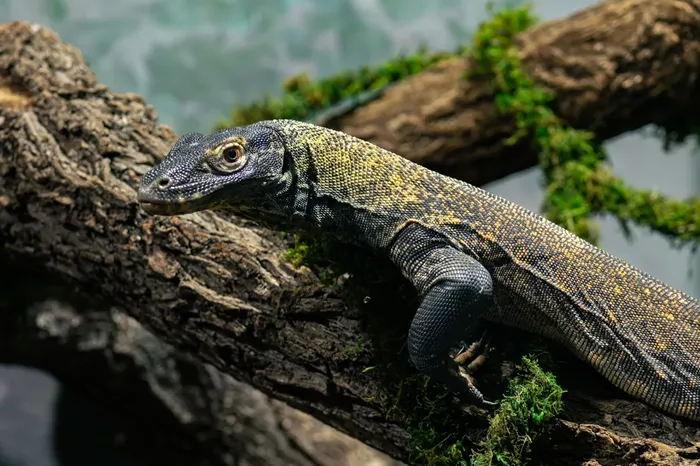
If you’re dreaming of seeing one of the world’s most impressive and fearsome creatures—the Komodo dragon—you might find yourself wondering, “Can I see these majestic reptiles in Singapore?” After all, Singapore is known for its biodiversity, with a strong focus on animal conservation and wildlife education. So, can you find Komodo dragons roaming the streets or living in local zoos? Let’s dive into the facts.
Introduction: The Komodo Dragon’s Legacy
Komodo dragons are often regarded as living fossils, and for good reason. These apex predators, native to the volcanic islands of Indonesia, are the largest lizards on Earth. With a maximum length of 10 feet and a weight that can exceed 150 pounds, their size alone makes them a force to be reckoned with. But it’s not just their size that captivates the imagination; it’s their cunning hunting strategies and toxic saliva.
In their natural habitat, these giant lizards have few natural predators. They are equipped with a powerful bite, and their saliva contains a variety of bacteria, which can cause lethal infections in their prey. Despite their fearsome reputation, Komodo dragons are not aggressive by nature—they tend to keep to themselves unless threatened or in the pursuit of food.
But what about Singapore? Is this Southeast Asian country home to any Komodo dragons, or are these creatures found only in their native environment? To understand this, we need to explore how Komodo dragons live, what it takes for them to thrive, and if they could ever be found in Singapore.
Are Komodo Dragons Found in the Wild in Singapore?
The simple answer is no, Komodo dragons are not found in the wild in Singapore. These creatures are native to the Indonesian islands of Komodo, Rinca, Flores, and Gili Motang. Singapore, being a city-state with a relatively small land area and a highly urbanized environment, does not offer the kind of habitat necessary for Komodo dragons to thrive.
Komodo dragons are found in dry, savannah-like environments with low rainfall and plenty of food sources, like wild deer, boars, and smaller mammals. They require vast spaces to roam, and the tropical, dense urban landscape of Singapore does not provide the open terrain these reptiles need for hunting and surviving.
Komodo Dragons in Singapore’s Zoos and Wildlife Parks
While you won’t find Komodo dragons in the wild, the good news is that you can see them in some of Singapore’s renowned wildlife parks. Singapore is home to a few world-class zoological institutions that focus on conservation and showcasing endangered species from around the world. Among these are the Singapore Zoo and Jurong Bird Park.
Singapore Zoo: A Window into the World of Komodo Dragons
The Singapore Zoo, one of the most respected zoological parks in Asia, is home to a variety of reptiles, including the Komodo dragon. This zoo is part of Singapore’s commitment to wildlife conservation and public education. In the zoo, visitors can observe Komodo dragons up close and learn about their habitat, diet, and conservation status.
The Komodo dragon enclosure at the Singapore Zoo is designed to replicate the dry, rocky terrain found in their native habitat, offering the reptiles a comfortable environment where they can exhibit their natural behaviors. Here, you can see these mighty lizards in action as they bask in the sun or interact with their environment.
Wildlife Conservation Efforts in Singapore
Singapore is also home to the Wildlife Reserves Singapore (WRS), which oversees conservation programs for endangered species, including the Komodo dragon. WRS collaborates with local and international conservation bodies to help protect these creatures and their native habitats. You’ll not only see Komodo dragons but also learn about the critical conservation efforts aimed at ensuring the survival of these incredible reptiles.
Why Doesn’t Singapore Have Komodo Dragons in the Wild?
The key reasons Komodo dragons are not found in the wild in Singapore are related to their specific environmental needs. These reptiles require:
- Large, open spaces to hunt and patrol their territory.
- A dry climate, as they thrive in warm, tropical savannahs with minimal rainfall.
- A diet that includes large prey, like wild deer and boar, which is not readily available in the wilds of Singapore.
Komodo dragons also have limited tolerances for environmental changes, and the dense urban development of Singapore would not support their unique lifestyle. In contrast, Singapore’s abundant greenery and humid tropical climate are better suited for species like the green iguana or various types of monitor lizards, which are more adaptable to such environments.
Komodo Dragons in Singapore’s Conservation Projects
Singapore plays a pivotal role in reptile conservation. While Komodo dragons aren’t found in the wild here, the country’s zoos, research institutions, and wildlife reserves focus on protecting and breeding species like the Komodo dragon. The Singapore Zoo, for example, participates in global breeding programs that help maintain the genetic diversity of endangered species.
Through these programs, Singapore serves as an important hub for reptile conservation in Asia. By raising awareness and educating the public, the country contributes to global efforts to ensure that Komodo dragons and other endangered reptiles don’t vanish from the planet.
What Happens to Komodo Dragons in Captivity?
In captivity, Komodo dragons can live much longer than they would in the wild. They tend to have a life expectancy of 30 years or more in controlled environments like zoos and wildlife parks. While their wild counterparts face constant challenges, such as predation, food scarcity, and habitat loss, captive Komodo dragons are well taken care of, receiving proper nutrition, medical care, and shelter.
However, even in captivity, the conditions must closely replicate their natural environment. A zoo that houses Komodo dragons must maintain the right temperature, humidity, and space for these lizards. The Singapore Zoo has made it a point to ensure that these reptiles have everything they need to thrive.
The Fascinating Behavior of Komodo Dragons
One of the most fascinating aspects of Komodo dragons is their hunting strategy. These reptiles are ambush predators, which means they often lie in wait for their prey, using the environment to hide before launching a quick, powerful attack. Their jaws are incredibly strong, and they can take down prey much larger than themselves.
What’s even more intriguing is the unique biology of their bite. For years, scientists believed that Komodo dragons killed their prey through a toxic bite, thanks to the bacteria in their saliva. However, recent studies have revealed that they also produce venomous compounds that help immobilize prey and cause a slow, agonizing death.
In Singapore Zoo, visitors can observe how these creatures move, hunt, and interact with their environment. The exhibit is designed to educate the public about the role of Komodo dragons in the ecosystem and the importance of preserving their species.
Komodo Dragons: A Symbol of Conservation and Education
In a world where many species are facing extinction, Komodo dragons serve as a symbol of the fragility of nature and the importance of conservation efforts. By studying these remarkable reptiles and supporting wildlife reserves like Singapore Zoo, we can ensure that future generations will have the opportunity to experience their majesty.
Conclusion
Absolutely! If you’re visiting Singapore, the Singapore Zoo offers an incredible opportunity to see Komodo dragons in a controlled, educational environment. Not only will you get to witness these magnificent reptiles up close, but you’ll also gain insight into the ongoing efforts to protect and conserve this endangered species. So, whether you’re a reptile enthusiast or simply looking for a unique experience, don’t miss the chance to visit Singapore Zoo and get a glimpse of the awe-inspiring Komodo dragon.
Related topics: