
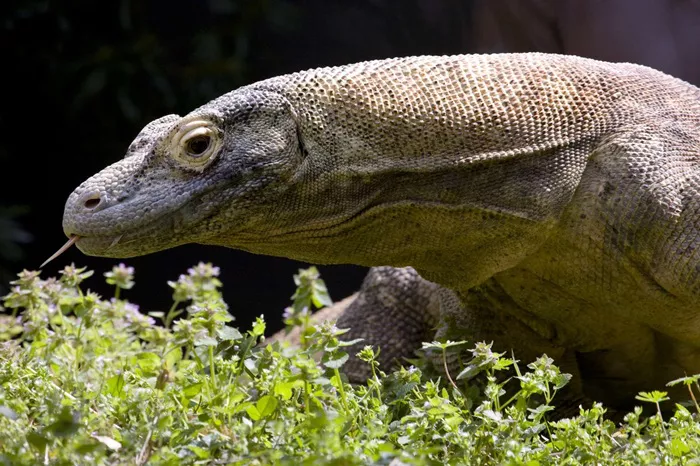
Komodo dragons are formidable predators, with few natural enemies in the wild. These apex predators rule the islands they inhabit with a combination of speed, strength, and a venomous bite. However, like any species, they aren’t completely invincible. So, the big question is: who hunts Komodo dragons? In this article, we’ll uncover the surprising predators and threats that go after these ancient reptiles. We’ll also explore why and how such attacks occur. By the end, you’ll have a deeper understanding of the balance of nature on Komodo Island and beyond.
The Komodo Dragon: A Quick Overview
Before we dive into the main subject, let’s get to know the Komodo dragon a bit better.
The Komodo dragon (Varanus komodoensis) is the largest living lizard species, with some individuals reaching lengths of up to 10 feet and weighing around 150 pounds. These reptiles are native to the Indonesian islands of Komodo, Rinca, Flores, and Gili Motang. Known for their tough, scaly skin and fierce hunting methods, Komodos prey on a variety of animals, from deer to smaller reptiles.
Interestingly, they aren’t just strong, but also venomous. Their bite delivers a cocktail of toxins that can incapacitate prey, weakening them before the Komodo dragon finishes them off. Despite their impressive arsenal, Komodo dragons do face threats from time to time.
Now, let’s dive into the creatures that pose a threat to the mighty Komodo dragon.
Who Hunts Komodo Dragons?
1. Humans: The Primary Threat
While Komodo dragons are apex predators in their ecosystem, humans represent their most significant threat. Historically, human activity has disrupted the natural balance of these islands. Whether through hunting, habitat destruction, or encroachment, humans have been a constant pressure on Komodo dragon populations.
Poaching has been a particular issue. Komodo dragons are sometimes targeted by illegal hunters, either for their skins or to sell them as exotic pets. This has led to tighter protections for Komodos, especially on the island of Komodo, which is now a protected national park.
Moreover, human-induced changes in the environment, like climate change, have indirectly affected Komodo dragon populations. As sea levels rise and forests are cleared, these ancient reptiles face an uncertain future. Without adequate food sources or space to roam, Komodo dragons are at risk of being pushed out of their native habitats.
2. Other Komodo Dragons: Intra-species Conflict
It may sound surprising, but other Komodo dragons can be a threat, especially in competition for territory or mating rights. These reptiles are known to engage in aggressive behaviors toward one another. During mating seasons, males may battle over females, and it can get violent.
While it’s rare for one Komodo dragon to fatally harm another, injuries sustained from territorial disputes or dominance struggles can weaken a dragon. A wounded dragon becomes an easier target for predators or even scavengers.
3. Larger Predators: The Wild Cats
Komodo dragons, despite being top predators, aren’t always safe from large wild cats, particularly on the islands of Indonesia. Although there is no concrete evidence of wild cats directly hunting adult Komodo dragons, tigers are an example of a species capable of bringing down such large reptiles.
The Sumatran tiger, for instance, shares a habitat with the Komodo dragon on some of Indonesia’s islands. Tigers have powerful muscles, sharp claws, and an excellent hunting strategy that could potentially overwhelm a Komodo dragon, especially one that is already injured or young.
4. Crocodiles: Silent Ambushers
Another potential threat to Komodo dragons comes from crocodiles, specifically the saltwater crocodile (Crocodylus porosus). These crocodiles are capable of ambushing their prey in water and are known for their aggressive nature. Saltwater crocodiles can weigh over a ton and have incredibly powerful jaws capable of crushing bones.
If a Komodo dragon ventures too close to the water’s edge, it could fall prey to a crocodile’s stealthy approach. However, such attacks are rare because Komodos tend to stay away from bodies of water unless absolutely necessary. But the possibility of a crocodile taking down a younger or smaller Komodo dragon is always there.
5. Other Reptiles and Birds of Prey: Opportunistic Threats
While snakes and birds of prey don’t usually hunt adult Komodo dragons, they can pose a risk to their eggs. Komodo dragon eggs are soft and vulnerable before they hatch, and they make an easy target for animals like monitor lizards, python snakes, and birds like crows and eagles.
In particular, monitor lizards (a relative of the Komodo dragon) are known to raid nests and eat eggs. These lizards have the same predatory instincts and will seize any opportunity to catch easy prey, including Komodo dragon eggs. Similarly, birds of prey will swoop down and snatch the eggs if given the chance.
Why Do These Animals Hunt Komodo Dragons?
You might be wondering: why would these predators go after a Komodo dragon in the first place? There are a few reasons:
Vulnerability of the Young: Komodo dragon hatchlings are particularly vulnerable, and many of their predators target them when they are small and defenseless.
Competition for Resources: Larger predators, like tigers or crocodiles, might see Komodo dragons as a source of food when other prey is scarce.
Opportunistic Attacks: Some animals, like monitor lizards or snakes, may prey on Komodo dragon eggs or juveniles simply because they are an easy meal. These creatures don’t necessarily target the adult Komodo dragons, but they will take advantage of any opportunity.
Injuries and Weaknesses: Injured or sick Komodo dragons, much like any animal, can become easier targets for predators that can spot their vulnerability.
How Do Komodo Dragons Defend Themselves?
Despite these threats, Komodo dragons have a variety of defense mechanisms to protect themselves:
Venomous Bite: As mentioned, their bite contains toxins that can weaken prey and deter potential attackers.
Aggression: Komodo dragons are not afraid to stand their ground and will fight back if they feel threatened. This can be particularly effective against other predators that underestimate the strength of the Komodo.
Stealth: When threatened, Komodo dragons are excellent at using their environment to hide. They can blend into their surroundings, making it difficult for predators to spot them.
Conclusion
Komodo dragons are apex predators with few natural enemies. However, like any species, they face threats from humans, other dragons, large wild cats, crocodiles, and other opportunistic predators. Their ability to defend themselves with venom, aggression, and stealth has allowed them to thrive in their unique environment.
As we continue to learn more about these incredible creatures, it’s clear that maintaining their habitat and protecting them from poaching is crucial to their survival. The story of the Komodo dragon is one of resilience, but it’s also a reminder of how fragile even the most formidable creatures can be.
Related topics: