
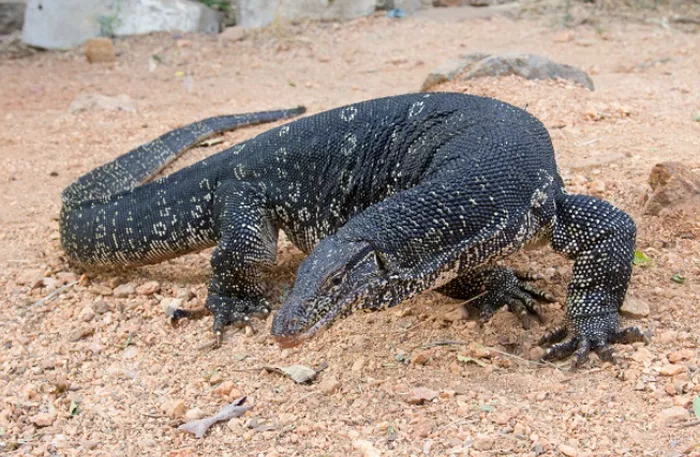
Komodo dragons are fascinating creatures. Known for their size and strength, they are found in a few specific areas of the world. While native to Indonesia, you may wonder whether these incredible reptiles can also be found in Australia. This article will explain where Komodo dragons live, their natural habitat, and how they survive in Australia.
Komodo dragons are the largest living lizards in the world. They are known for their fearsome reputation and their ability to hunt large prey. These reptiles can grow up to 10 feet in length and weigh over 150 kilograms. Their strong jaws and venomous saliva help them take down animals as large as deer and wild boar.
Native Habitat of the Komodo Dragon
Komodo dragons are native to Indonesia, specifically the islands of Komodo, Rinca, Flores, and a few smaller islands. They thrive in hot, dry environments with little rainfall. Their habitats include savannas, dry forests, and scrublands, areas that provide ample space for hunting and sunbathing. The climate on these islands is ideal for Komodo dragons, which are cold-blooded reptiles that require warmth to survive.
Are There Komodo Dragons in Australia?
Komodo dragons are not native to Australia. However, there are reports of Komodo dragons living in some parts of the country, but these are typically in controlled environments like zoos and wildlife parks.
Komodo Dragons in Australian Zoos and Wildlife Parks
While you won’t find Komodo dragons in the wild in Australia, several zoos and wildlife parks across the country have Komodo dragons as part of their exhibits. These include the Australian Reptile Park in New South Wales and the Melbourne Zoo. These parks play a crucial role in the conservation of the species and provide a safe environment for the Komodo dragons to live and breed.
Australian Climate and Habitat Comparison
Australia’s climate and ecosystems differ from those of the Komodo islands, which makes it difficult for Komodo dragons to survive naturally in the wild. Komodo dragons require a very specific environment, one that is much warmer and more arid than the majority of Australia’s natural habitats. The tropical and subtropical forests in parts of Australia would be far too humid for these reptiles.
Komodo Dragons and Conservation Efforts in Australia
Komodo dragons are considered a vulnerable species by the International Union for Conservation of Nature (IUCN). Their populations are under threat due to habitat loss, natural disasters, and human activity. In Australia, conservation efforts are focused on ensuring that these reptiles are protected in captivity.
Breeding Programs in Australia
Australia plays an important role in the international efforts to protect Komodo dragons. Zoos and wildlife parks across the country are part of global breeding programs. These programs aim to ensure the survival of the species through controlled breeding, with the hope of reintroducing Komodo dragons to their native habitats in the future.
What Do Komodo Dragons Need to Survive in Australia?
For Komodo dragons to survive in Australia, they require an environment that replicates their native habitat. This includes a warm climate, a varied diet, and enough space to roam. Zoos and wildlife parks across Australia have created specially designed enclosures to meet these needs.
Food and Diet
Komodo dragons are carnivores, and their diet consists mostly of large prey such as deer, wild boar, and smaller animals. In zoos, they are fed a diet of meat, which is supplemented by other nutrients. Their ability to eat large amounts of food at once is vital to their survival. In the wild, they may go days without eating, but when they do find prey, they can consume a huge meal in one sitting.
Space to Roam
In the wild, Komodo dragons need large areas to roam, hunt, and establish territory. This is why Australian zoos and wildlife parks design spacious enclosures with plenty of room for the dragons to move around. It’s important to give them enough space to behave naturally and avoid stress.
Are Komodo Dragons Dangerous to Humans?
Komodo dragons have a reputation for being dangerous, and while they do pose a risk, attacks on humans are rare. They have sharp teeth and strong jaws, and their venom can cause severe infections. However, they usually only attack humans if they feel threatened. In their native habitats, Komodo dragons tend to avoid human contact as much as possible.
Komodo Dragon Attacks in Australia
There have been no reported attacks on humans by Komodo dragons in Australia. Since most of the dragons in Australia live in controlled environments, the risk to the public is minimal. In the wild, however, caution is necessary when encountering these reptiles.
Where Can You See Komodo Dragons in Australia?
If you want to see Komodo dragons in Australia, there are several places to visit. Zoos and wildlife parks across the country house these magnificent creatures, offering an opportunity to observe them up close and learn about their behavior and conservation.
Top Places to See Komodo Dragons
- The Australian Reptile Park, New South Wales
- Melbourne Zoo, Victoria
- Taronga Zoo, Sydney
- Adelaide Zoo, South Australia
These locations not only allow visitors to see Komodo dragons but also provide educational resources about the species and its conservation status. You can learn about their natural history, what makes them unique, and how they are being protected in the wild.
Conclusion
While Komodo dragons are not found in the wild in Australia, the country plays an important role in their conservation. These fascinating reptiles are housed in various zoos and wildlife parks, where they are protected and studied. Through these efforts, Australians can continue to appreciate the beauty and importance of Komodo dragons while helping ensure the survival of the species.
Related topics