
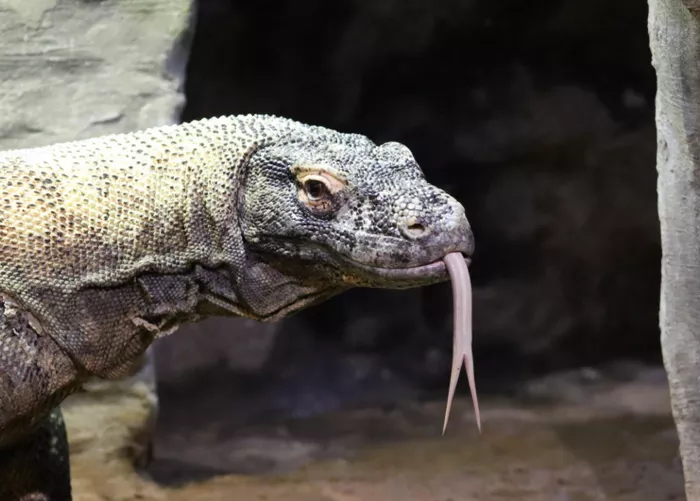
The Komodo dragon is the largest living species of lizard. It is a powerful predator found in a few Indonesian islands. Understanding what it eats helps us learn about its role in nature and how it survives in its environment.
Overview of the Komodo Dragon’s Eating Habits
Komodo dragons are carnivores. They eat mostly meat and are skilled hunters. Their diet includes many different types of animals. They can eat animals much larger than themselves. Their strong jaws and sharp teeth help them catch and kill prey efficiently.
Hunting and Feeding Style
Komodo dragons hunt both actively and by ambush. They use stealth to approach their prey quietly. Once close, they attack with a sudden burst of speed. Their bite delivers bacteria and venom that weaken the prey. After the prey is bitten, the dragon often follows it for some time until the animal becomes too weak to escape.
Main Foods in the Komodo Dragon Diet
Large Mammals
Adult Komodo dragons often hunt large mammals such as deer. They prefer animals like the Timor deer, which is native to their habitat. These mammals provide a rich source of protein and fat, essential for the dragon’s energy and growth.
Smaller Animals and Birds
Besides large mammals, Komodo dragons also eat smaller animals. These include rodents, monkeys, and birds. They will catch birds by waiting near nests or sneaking up quietly. Eggs of birds are also a common food source.
Reptiles and Other Lizards
Young Komodo dragons often eat smaller reptiles and insects. These animals are easier for the juveniles to catch and digest. This helps young dragons grow strong until they can hunt larger prey.
Carrion and Scavenging
Komodo dragons are opportunistic feeders. They eat dead animals if they find them. Scavenging is important because it saves energy that would otherwise be spent hunting. This behavior shows their adaptability and survival skills in harsh environments.
How Often Do Komodo Dragons Eat?
Komodo dragons do not need to eat every day. They can survive on a large meal and then go days or even weeks without eating. When they catch a big prey, they may eat up to 80 percent of their body weight at once. This feast allows them to rest and digest for a long time.
Digestive Adaptations
The Komodo dragon’s digestive system is very efficient. It can break down bones, skin, and muscles quickly. Their stomach acids are strong, which helps kill harmful bacteria from the meat. This ability lets them safely eat carrion without getting sick.
Special Features Related to Their Diet
Venom in Komodo Dragon’s Bite
Recent studies show that Komodo dragons have venom glands in their mouths. The venom lowers blood pressure and causes shock in prey. This works with bacteria to weaken the prey quickly after the bite. It makes hunting more successful by allowing the dragon to track injured animals.
Sharp Teeth and Powerful Jaws
Their teeth are sharp and serrated, like those of sharks. This design helps tear flesh easily. Their strong jaws can crush bones, allowing them to eat almost every part of their prey.
Diet Changes with Age
Juvenile Diet
Young Komodo dragons eat smaller prey to match their size. They often climb trees to catch insects, small lizards, and birds. This behavior helps keep them safe from larger dragons and predators.
Adult Diet
Adults hunt large mammals, birds, and sometimes even water buffalo. They can kill animals much bigger than themselves. Adults are also more skilled in hunting and scavenging.
Ecological Role of the Komodo Dragon’s Diet
Komodo dragons are apex predators in their ecosystem. They help control populations of deer and other mammals. By scavenging, they also clean the environment of dead animals. Their diet keeps the food chain balanced on the islands where they live.
Impact on Other Species
Because they eat many types of animals, Komodo dragons affect the population size of these species. They compete with other predators but usually dominate due to their size and strength.
Conclusion
In summary, the Komodo dragon eats mainly large mammals like deer, smaller animals including birds and reptiles, and carrion. It hunts with a combination of stealth, speed, and venom. Young dragons focus on smaller prey, while adults can take down large animals. Their diet allows them to survive in harsh island environments and play an important role in nature.
Related topics