
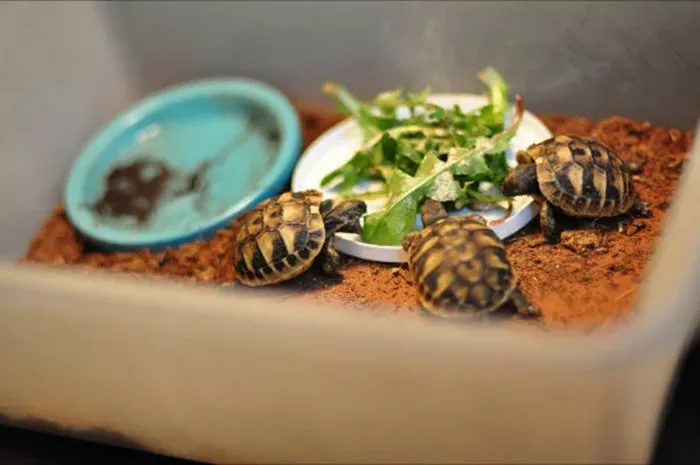
Hermann tortoises are fascinating creatures, known for their calm demeanor and long lifespans. If you’re lucky enough to have one as a pet, you know they require special care, particularly when it comes to their diet. But here’s the thing: just like with us humans, not everything that seems healthy for a tortoise is actually good for them. It’s tempting to think that all plants and food are safe, but some can actually harm your tortoise. So, what should you avoid feeding a Hermann tortoise? Let’s dive into the details and make sure you’re giving your little friend the best care possible.
Why Diet Matters for Hermann Tortoises
Before we get into what not to feed them, let’s understand why diet is so important for Hermann tortoises. Their digestive system is different from ours, and it needs specific nutrients to function properly. If they eat the wrong foods, it could lead to health problems like obesity, shell deformities, and even shortened lifespans.
Think of it like fueling a car. If you put the wrong type of fuel in, the engine might run poorly or even break down. Hermann tortoises need their fuel—plants, grasses, and leaves—to be just the right type, so their “engines” (bodies) run smoothly.
Now, let’s jump into the foods that should never be part of your tortoise’s diet.
1. Dairy Products: Why You Should Stay Away
You might think, “I love cheese, why can’t my tortoise have some?” Here’s why: Hermann tortoises are strict herbivores, meaning they only eat plants, not animal products. Feeding dairy can upset their digestion and even cause health problems like diarrhea or bloating.
In fact, dairy products, whether it’s milk, cheese, or yogurt, contain high levels of fat and protein that are not suitable for tortoises. They can’t process these foods properly, and it’s like putting a fuel additive in your car when it doesn’t need it.
Imagine a small engine trying to process jet fuel—it’s just not going to work well!
2. High-Protein Foods: Too Much of a Good Thing
Hermann tortoises need some protein, but too much can be harmful. In the wild, they get their protein from insects, but in captivity, it’s easy to overfeed them high-protein foods like meat, eggs, or dog food.
An overload of protein can lead to kidney issues, shell deformities, and even obesity. It’s like giving a child a diet that’s all cake and no vegetables. Sure, the cake is sweet, but it’s not going to support long-term health!
Tip: Stick to leafy greens and weeds for protein. These foods are balanced and provide the necessary nutrients.
3. Fruits: Enjoy in Moderation, but Not Too Much
We all love fruit, and so does your tortoise! However, fruits like apples, grapes, and berries should only be fed in small quantities. Why? Fruits are packed with sugar, and too much sugar is not good for Hermann tortoises.
Too much sugar can lead to obesity, digestive issues, and liver problems. Think of it like eating too many sweets—it might feel good at first, but it can cause long-term health problems.
Pro Tip: Fruits should be an occasional treat, not a daily snack. Stick to a mostly plant-based diet for your tortoise’s main meals.
4. Leafy Greens That Are Too High in Oxalates
Not all leafy greens are created equal! While Hermann tortoises need lots of leafy greens, some can be harmful if fed too frequently. Greens like spinach, beet greens, and swiss chard are high in oxalates, which can bind with calcium and prevent proper absorption.
Without enough calcium, your tortoise may suffer from shell deformities or bone issues. It’s like trying to build a house with bad foundation material—you won’t get good results.
Solution: Feed your tortoise a variety of leafy greens, but limit oxalate-rich greens. Dandelion leaves, collard greens, and clover are great alternatives!
See Also: 8 Amazing Species of Pet Tortoises You Can Keep
5. Cabbage and Kale: The Double-Edged Sword
Cabbage and kale may seem like great options for your tortoise, and they are—up to a point. The problem is that they contain goitrogens, compounds that can interfere with thyroid function if consumed in large amounts over time.
Feeding your tortoise too much kale or cabbage can lead to a condition known as hypothyroidism, affecting your tortoise’s metabolism and growth. It’s like taking medicine that’s helpful in small doses but harmful in large ones.
Pro Tip: Rotate cabbage and kale with other veggies, and don’t rely on them as the main greens in your tortoise’s diet.
6. Processed Foods: Absolutely No Junk Food
Processed foods, like chips, cookies, or anything packaged and “convenient” for humans, are a definite no-go for Hermann tortoises. These foods are full of unhealthy fats, sugars, and preservatives that can seriously harm your tortoise’s health.
Imagine eating fast food every day. Sure, it’s convenient, but it’s terrible for your health in the long run. Your tortoise deserves better!
7. Toxic Plants: Know the Dangers
This one is especially important. There are many toxic plants that you must never feed to your Hermann tortoise. Some common examples include:
Oleander: Can cause heart failure if ingested.
Foxglove: Highly toxic and can lead to death.
Lily of the Valley: Contains toxins that affect the heart.
Even though some of these plants may look pretty in your garden, they could be deadly for your tortoise. Always double-check what’s safe before allowing your pet to roam freely.
Conclusion
When it comes to feeding your Hermann tortoise, a balanced diet is key to keeping them healthy and happy. Avoid the foods listed above, and focus on providing a variety of weeds, grass, and leafy greens. This way, your tortoise will thrive in captivity, living a long, healthy life just like they would in the wild.
Remember, tortoises are what they eat. So, be mindful of their diet and avoid feeding them harmful foods. Just like with any pet, attention to detail in their care will reward you with many years of companionship.
Related topics: