
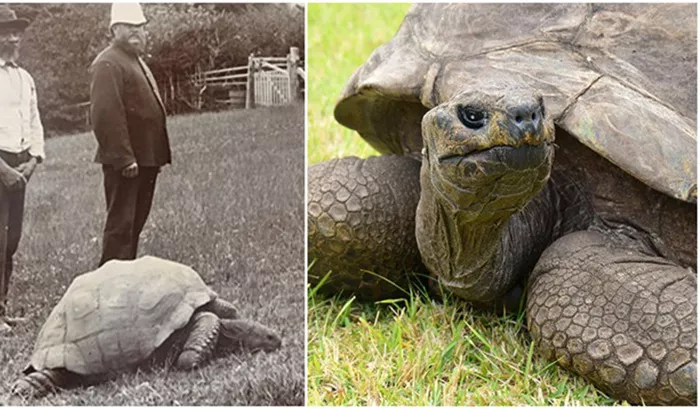
Tortoises are among the most remarkable creatures on Earth, revered for their slow and steady lifestyle. But did you know some tortoises can live to ages that seem almost unbelievable? Imagine having a pet that could outlive you by decades, maybe even centuries! In this article, we’re diving into the world of tortoise longevity, exploring how long they can live, who the oldest tortoise ever recorded is, and what makes these reptiles such incredible survivors. Let’s answer the burning question: How old is the oldest tortoise?
The Fascinating World of Tortoises
When you picture a tortoise, what comes to mind? A slow-moving reptile with a hard shell that’s almost as old as time itself. These ancient creatures are known for their ability to live long lives, far beyond the average lifespan of many other animals. But why do tortoises live so long? What factors contribute to their longevity?
Tortoises are part of the Testudines order, and they can be found in various regions across the globe, from tropical islands to deserts. Their lifespan varies depending on the species, with some living a few decades, while others can live well over 100 years. What makes tortoises stand out is their remarkable resilience and ability to survive in harsh environments.
How Long Do Tortoises Live?
Different species of tortoises live for different lengths of time. The Galápagos tortoise, for example, can live for over 100 years, while the Russian tortoise has a lifespan of around 50 years. However, these figures only scratch the surface. Some tortoises have been known to live far longer, reaching ages that boggle the mind.
The oldest tortoise recorded, Jonathan the tortoise, holds the title for the longest-lived tortoise. Jonathan, a Seychelles giant tortoise, was born in 1832, making him 193 years old! His longevity is extraordinary, and his story provides insights into the factors that might contribute to such an impressive lifespan.
The Oldest Tortoise: Jonathan’s Journey
Jonathan’s remarkable story begins on the island of Saint Helena, a small British overseas territory in the South Atlantic Ocean. Jonathan was brought to the island in 1882 and has lived there ever since. His age was estimated based on his physical characteristics, and scientists believe he was already an adult when he was brought to the island, which is why we estimate his birth year as 1832.
His story didn’t just start with his arrival; Jonathan has seen over 40 British monarchs come and go! He’s survived world wars, political upheaval, and even climate changes. But despite the challenges, Jonathan continues to live and thrive.
What Makes Jonathan So Special?
There are several reasons why Jonathan might have been able to live for such an extraordinarily long time. First, his species, the Seychelles giant tortoise, is known for its long lifespan. These tortoises are relatively slow-growing, and they often don’t reach full maturity until they’re 50 years old. But what makes Jonathan particularly special is the fact that he’s been in a relatively controlled environment, which helps extend his life.
For instance, Jonathan lives on a protected island with little predation, plenty of food, and good medical care. This type of environment is ideal for increasing the chances of a long life. Tortoises are also famous for their slow metabolism, which helps them avoid the diseases and wear-and-tear that typically shorten the lives of other creatures.
The Science of Tortoise Longevity
So, what is it about tortoises that makes them live so long? It’s a combination of biology, environment, and perhaps a little bit of luck. Tortoises have evolved to survive in harsh conditions, and their slow metabolism is one of the key reasons they live so long.
Slow Metabolism: Unlike many fast-moving animals, tortoises have a slow metabolism. This means they burn fewer calories, which reduces the stress on their bodies over time. It’s like driving a car at a steady pace rather than constantly accelerating and braking—less wear and tear equals a longer life.
Protective Shell: The hard shell of a tortoise isn’t just for show. It provides a shield against predators and harsh environmental conditions, protecting the vital organs inside. This defense mechanism allows them to survive in a world where many creatures fall prey to predators early on.
Low Predation Risk: Many tortoise species live in areas where there are few natural predators. This gives them the luxury of living longer lives without the constant threat of being eaten. In the case of Jonathan, his protected island habitat and lack of predators have certainly played a role in his long life.
Other Notable Long-Lived Tortoises
While Jonathan may be the oldest known tortoise, he’s not the only one to defy the odds. Let’s take a look at some other long-lived tortoises that have impressed scientists and reptile enthusiasts alike:
Harriet the Tortoise: A Galápagos giant tortoise, Harriet lived to be 176 years old, making her one of the longest-lived tortoises in recorded history. Harriet was collected by Charles Darwin himself during his visit to the Galápagos Islands in the 1830s and later lived at the Australia Zoo.
Tu’i Malila: This Aldabra giant tortoise from Tonga lived to be 188 years old. Tu’i Malila was given as a gift to the royal family of Tonga in 1777 and spent most of her life living in the gardens of the royal family.
Mister T: Another Galápagos giant tortoise, Mister T lived to be around 160 years old. He lived at the New York Aquarium and became quite famous among reptile enthusiasts.
What Makes Tortoises So Resilient?
Tortoises have evolved for survival in harsh environments, and their physical adaptations make them highly resilient. From their durable shells to their slow and steady pace, these creatures have found ways to thrive despite the odds. Their ability to store water for long periods allows them to survive in arid conditions, and their slow metabolism ensures that their bodies don’t age as quickly as those of other animals.
In many ways, tortoises are like the “tanks” of the animal kingdom. Their solid shells provide an impenetrable fortress, while their slow movements allow them to conserve energy, survive droughts, and avoid predators.
Tortoises and Human Care: How Long Can They Live in Captivity?
One of the factors that contribute to tortoises living long lives is their environment. In the wild, tortoises are often exposed to harsh conditions like drought, predators, and food scarcity. However, when kept in captivity—especially in zoos, wildlife sanctuaries, or as pets—tortoises can live much longer due to the controlled environment.
Tortoise owners often provide their pets with the right balance of nutrients, medical care, and a safe environment, all of which contribute to longer lifespans. Some tortoises in captivity have been known to live even longer than their wild counterparts, thanks to the dedicated care they receive.
Conclusion
So, how old is the oldest tortoise? The answer is Jonathan, who, at 193 years old, holds the crown as the longest-lived tortoise. His longevity can be attributed to a mix of natural factors, including his species, a slow metabolism, and a protective environment.
However, Jonathan’s story isn’t unique. There are other tortoises that have lived impressive lives, including Harriet, Tu’i Malila, and Mister T. All of these incredible reptiles have defied the odds and lived far longer than most other animals.
If you’re ever lucky enough to meet a tortoise, remember that you’re looking at a creature that could have been alive during the time of Napoleon or the construction of the Eiffel Tower. Tortoises are living pieces of history, and their age is a testament to the power of nature’s resilience.
Related topics: