
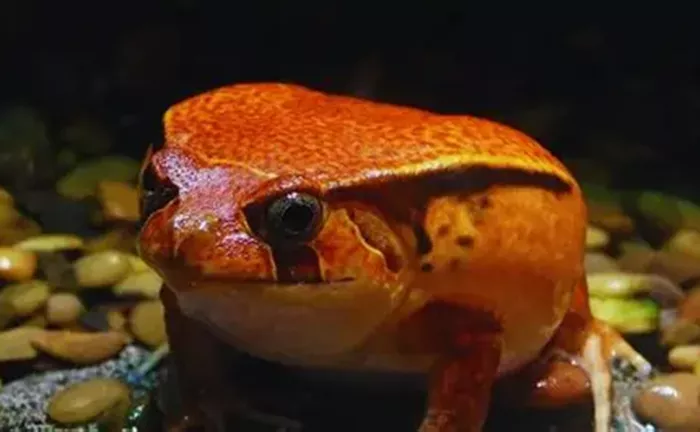
When you think of frogs, what comes to mind? Probably a damp, murky pond where they leap from lily pad to lily pad, right? Now, picture a tomato frog, a creature as striking as its name suggests, and you’ll wonder: Do these brightly colored amphibians enjoy water the same way as other frogs? If you’ve ever been curious about the care needs of tomato frogs and how they interact with water in their natural habitat, this article is for you!
In this article, we’ll explore the relationship between tomato frogs and water. We’ll discuss how these fascinating creatures interact with their environment, their habitat preferences, and the right conditions you should create to care for them. Whether you are an experienced reptile keeper or a beginner, this guide will give you a thorough understanding of what tomato frogs need when it comes to water.
What is a Tomato Frog?
Before we dive into their relationship with water, let’s first take a moment to understand what a tomato frog is. Tomato frogs, known scientifically as Dyscophus antongilii, are a species native to the rainforests and swamps of Madagascar. They are named for their bright red-orange coloration, which stands out against the green backdrop of the tropical jungle.
Adult tomato frogs are relatively large compared to other frogs, with females growing up to 10.5 cm (4.1 inches), while males tend to be smaller. They are known for their ability to puff up their bodies as a defense mechanism when threatened. This behavior makes them appear even more impressive and difficult for predators to swallow. But, what makes them even more unique is their love for moisture.
Do Tomato Frogs Like Water?
You might wonder if tomato frogs like water or if they just tolerate it. The answer is a bit more complex, as tomato frogs don’t love swimming like some other frogs do. While they do require a water source in their habitat, it’s essential to understand that they are more terrestrial than aquatic. Tomato frogs are usually found in moist, lowland areas of Madagascar, like marshes, swamps, and rainforests, where water is always present, but they don’t spend all their time in it.
Tomato frogs primarily interact with water in the following ways:
Moisture for Hydration: Like most amphibians, tomato frogs need water for hydration. Their skin absorbs moisture from their environment, which helps keep them hydrated and supports their overall health. However, they don’t spend much time in the water unless it’s necessary for their survival.
Breeding: Water plays a crucial role in the reproduction of tomato frogs. Female tomato frogs lay their eggs in still or slow-moving water, typically in shallow pools, ponds, or even small puddles that form during the rainy season. After the eggs hatch, the tadpoles begin their life in the water, undergoing a full metamorphosis to become adult frogs.
Humidity for Health: Since tomato frogs are native to humid rainforests, they require a moist environment to thrive. The humidity levels in their habitat should be kept between 65% to 80% for optimal health. If the environment is too dry, it can lead to dehydration and stress, which can negatively affect their overall wellbeing.
The Perfect Environment for a Tomato Frog
To maintain a healthy and happy tomato frog as a pet, creating the right water conditions is essential. Here’s a breakdown of what you need to consider:
Water Requirements for Tomato Frogs in Captivity
Tomato frogs need a shallow water dish in their enclosure, but they don’t require a full aquatic setup like other amphibians. Here’s how to set up their perfect environment:
Water Dish: Provide a shallow dish of clean, dechlorinated water for drinking and occasional soaking. The water should not cover the frog completely, as they are not strong swimmers.
Humidity: Keep the humidity high in the enclosure by misting the habitat daily and using a humidity gauge to ensure the levels stay between 65% and 80%. This will help your tomato frog stay hydrated through their skin.
Substrate: Use a substrate that retains moisture, like coconut fiber, sphagnum moss, or a mix of peat moss. This allows the frog to burrow into the soil, which is something they enjoy doing.
See Also: 6 Reasons Your Tomato Frog Won’t Eat and How to Fix It
Water Temperature for Tomato Frogs
Temperature plays a huge role in the health of tomato frogs. They thrive in warm conditions, with a daytime temperature range of 75°F to 85°F (24°C to 29°C). At night, it’s okay if the temperature drops a little, but never below 65°F (18°C). A thermometer can help you monitor the temperature to ensure it remains in the right range for your frog.
How to Maintain a Healthy Water Source
In their natural habitat, tomato frogs are often found near slow-moving water sources. To simulate this environment in captivity, you can:
Change the Water Regularly: Keep the water fresh by changing it at least once a week. If you notice any debris or algae buildup, it’s important to clean the water dish immediately.
Water pH: Tomato frogs prefer neutral water with a pH between 6.5 and 7.5. Use a water conditioner to dechlorinate tap water before adding it to the enclosure.
Common Issues Related to Water and Tomato Frogs
While tomato frogs are relatively low-maintenance in terms of water, there are some common issues that may arise:
Dehydration: If the humidity levels are too low or if they don’t have access to fresh water, tomato frogs can become dehydrated. This is especially dangerous for amphibians, as they rely heavily on their skin to absorb moisture. Ensure that the enclosure is kept moist and that the water dish is always available.
Water Quality: Poor water quality can lead to skin infections and other health issues in tomato frogs. It’s crucial to keep the water clean and free from chemicals like chlorine or chloramine, which are often found in tap water.
Overwatering: While tomato frogs need a moist environment, they can also suffer from waterlogged substrates. Ensure the enclosure has good drainage so that the water doesn’t pool excessively in one area, which could cause mold or fungi to grow, negatively affecting your frog.
Are Tomato Frogs Good Pets?
If you’re considering adopting a tomato frog, you’ll need to understand their water needs and overall care. Tomato frogs are not particularly demanding when it comes to water, but they do require a moist environment with a clean water source and regular humidity. They are relatively easy to care for and can be a great pet for beginners.
Are Tomato Frogs Endangered?
Unfortunately, like many species, tomato frogs face threats in the wild. Habitat destruction, deforestation, and climate change are all contributing factors to their decline. However, in captivity, they are bred successfully, and their status has improved. Organizations are working hard to protect their native environment and ensure the species does not become endangered in the future.
Conclusion
To answer the initial question: Yes, tomato frogs do need water, but not in the way you might think. While they don’t swim around like aquatic frogs, they still require water for hydration, breeding, and maintaining the humidity levels they need for a healthy life. By creating a suitable environment with a shallow water dish, proper humidity, and a safe, warm temperature, you’ll be well on your way to providing a happy home for your tomato frog.
Related topics: