
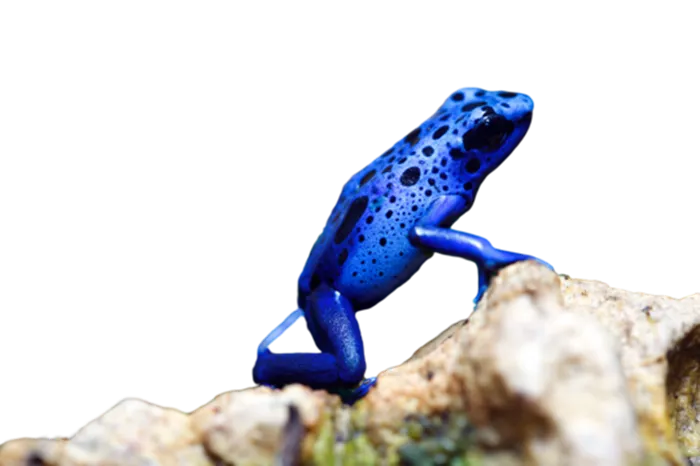
When it comes to wildlife, the blue poison dart frog is one of those creatures that immediately captures your attention. With its striking, bright blue skin, you may be tempted to touch this small, exotic creature. But what happens if you do? Will it be dangerous? In this article, we’ll explore this question and dive deep into the world of the blue poison dart frog, uncovering how its unique toxins work and why you should keep a safe distance.
The Blue Poison Dart Frog: A Fascinating Creature
Before we jump into the risks of touching this frog, let’s take a moment to appreciate just how unique and captivating the blue poison dart frog is. Known scientifically as Dendrobates tinctorius “azureus”, this frog is native to the rainforests of Suriname, South America. Its dazzling blue color, sometimes accented with black spots or stripes, is a defense mechanism meant to warn predators: “I’m not safe to eat.”
This bright color is what gives it its “poison dart” name. The term “dart” comes from the fact that some indigenous tribes have historically used the frogs’ toxins to coat their blow darts. But don’t be fooled by its small size and adorable appearance. This frog packs a powerful punch, even if it’s one you can’t see with the naked eye.
The Key Question: What Happens if You Touch One?
Okay, so you’ve spotted a blue poison dart frog in the wild or perhaps in an exotic pet store, and you’re curious about the consequences of touching it. The simple answer is: You shouldn’t touch it. Here’s why:
Toxin Secrets: How the Frog’s Poison Works
The blue poison dart frog’s bright color acts as a warning signal to predators, telling them that this frog is toxic and potentially dangerous. But what makes these frogs so toxic? It all comes down to pumiliotoxins—a class of alkaloid compounds that the frog collects from its diet, which primarily consists of ants and other small insects.
These toxins are stored in the frog’s skin and act as a potent defense mechanism. If you were to touch the frog, the toxins on its skin could potentially transfer to your skin, causing irritation, numbness, or in severe cases, paralysis. However, in the case of captive blue poison dart frogs, their toxicity is much lower since they lack the insects in their diet that would normally produce these toxins. Still, it’s a good idea to avoid touching them, whether wild or captive, just to be safe.
The Toxicity Levels: Dangerous or Not?
Here’s an interesting fact: the toxicity of blue poison dart frogs varies based on their environment. Frogs living in the wild, feeding on ants and other small invertebrates, have the highest levels of toxin in their bodies. Wild blue poison dart frogs have enough toxicity to cause paralysis or even death in small animals, which is why they need to be treated with caution.
But what happens if you touch one in a controlled environment, like a pet store or a zoo? Well, in these cases, the frogs are usually not as toxic because their diet doesn’t consist of the same insect species found in their natural habitat. In short, while touching a captive blue poison dart frog might not cause serious harm, it’s still not recommended due to the potential for irritation or skin reactions.
The Danger in Numbers: How Dangerous Are They Really?
Let’s break it down. Blue poison dart frogs have evolved to be toxic, not just for their survival but also to deter predators. While touching a frog won’t necessarily result in immediate harm, ingesting its toxins—whether through ingestion or contact with mucous membranes—could lead to more serious consequences.
To put it in perspective, the toxins of the blue poison dart frog are powerful enough to stun small prey or predators. Some studies have even shown that pumiliotoxins can block nerve signals, leading to paralysis. While humans are much larger and less likely to ingest the toxins directly, it’s still important to be cautious when interacting with this species.
See Also: Is the Blue Poison Dart Frog Extinct?
Can You Handle Blue Poison Dart Frogs in Captivity?
Now, you might be wondering: Can blue poison dart frogs be handled safely in captivity? The short answer is that it depends on the circumstances. If you’re an exotic pet owner or a zookeeper, it’s crucial to follow strict guidelines when caring for these frogs.
For pet owners, handling blue poison dart frogs should be avoided unless absolutely necessary. Even captive frogs may still secrete trace amounts of toxins, which can be harmful to humans if they touch their eyes, mouth, or any open wounds. Always wash your hands thoroughly after cleaning their enclosures, and make sure to provide a safe, stress-free environment for the frogs.
Why Do These Frogs Secrete Toxins? Nature’s Clever Strategy
The reason blue poison dart frogs evolved to be so toxic is all about survival. In the wild, their bright colors are a clear warning to would-be predators that they are dangerous to eat. In addition, the frogs’ toxins help them avoid being eaten by creatures like snakes, birds, and larger amphibians.
Think of it like this: just as a brightly colored traffic sign warns you of a potential hazard ahead, the blue color of the dart frog signals that this little creature is best left alone. And, because their toxicity makes them distasteful and even harmful to predators, the frogs can thrive without constantly worrying about being hunted.
Fascinating Facts About Blue Poison Dart Frogs
While we’ve focused mainly on the toxicity and dangers of the blue poison dart frog, there are other aspects of this species that are worth noting.
They are territorial. Blue poison dart frogs are fiercely territorial and often engage in combat with others of their kind. These battles usually involve vocal calls, chasing, and wrestling. It’s quite the spectacle!
They are also good parents. Blue poison dart frogs practice something known as “egg-guarding.” After mating, the female lays her eggs on moist, sheltered surfaces like rocks. The male then guards them until they hatch. Once the eggs hatch, the father carries the tadpoles to water sources where they continue to develop.
Captive frogs can live much longer. While blue poison dart frogs in the wild typically live 4-6 years, those in captivity can live up to 10 years, thanks to a controlled environment free from predators and food shortages.
Not all dart frogs are equally toxic. The toxicity of dart frogs varies widely among species. Some species are harmless in captivity, while others are far more dangerous.
Conclusion
In conclusion, while the idea of touching a blue poison dart frog might seem exciting, it’s not a good idea. These frogs, with their mesmerizing blue color and powerful toxins, are best admired from a safe distance. Whether you encounter them in the wild or in a zoo, it’s important to respect these incredible creatures and their natural defense mechanisms.
The next time you spot one of these beautiful amphibians, remember that their bright color is more than just for show. It’s a warning: stay away, and appreciate their beauty from afar.
Related topics: