
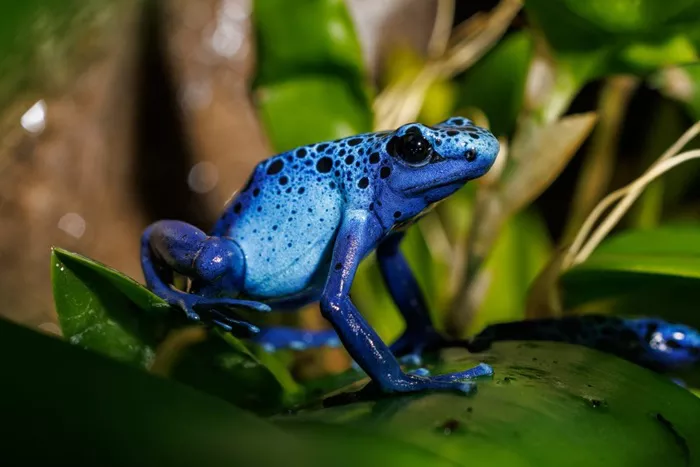
Blue poison dart frogs, also known as Dendrobatoides tinctorius azureus, are captivating creatures. Their electric blue skin stands out in the lush forests of South America, and they have earned a reputation for their vibrant appearance and potent toxicity. However, despite their allure, there are questions about their rarity. In this article, we’ll explore the fascinating world of blue poison dart frogs, uncovering their natural habitat, reasons behind their rarity, and how they are impacting the world of reptiles as pets.
Let’s dive in—this is a topic that will leave you both informed and amazed.
What Are Blue Poison Dart Frogs?
Before we jump into their rarity, let’s first understand what makes these frogs so extraordinary. Blue poison dart frogs belong to the Dendrobatidae family, a group of frogs known for their striking colors and potent skin toxins. These frogs are small—around 1 to 2 inches long—and have a brilliant, eye-catching blue coloration, often with black spots or patterns.
But why are they called “poison dart frogs”?
The name comes from the fact that indigenous tribes in the Amazon rainforest once used the toxins from these frogs’ skins to poison their hunting darts. The toxins are powerful enough to paralyze small prey, but they don’t pose a risk to humans unless consumed or handled improperly.
Are Blue Poison Dart Frogs Rare in the Wild?
Blue poison dart frogs are not classified as endangered, but they are considered rare in the wild. Their natural habitat is limited to the rainforests of Suriname and northern Brazil, particularly in the tropical lowlands near rivers. These areas are remote, and while the frogs are present in large enough numbers, their restricted range makes them somewhat difficult to find in the wild.
Why Are They Rare?
There are several factors that contribute to the rarity of blue poison dart frogs in the wild:
Limited Geographic Range:
These frogs are native to a specific part of the world. Their range is geographically limited to parts of Suriname and the Amazon region in Brazil. This makes them less abundant in other parts of the world.
Habitat Destruction:
Like many species in the rainforest, blue poison dart frogs are affected by habitat destruction. Logging, mining, and agriculture are slowly encroaching on their habitat, reducing the available area in which they can live. When their homes are destroyed, it’s harder for these frogs to thrive.
Climate Change:
The delicate ecosystems that these frogs inhabit are vulnerable to climate change. Rising temperatures and shifting weather patterns can disrupt the frogs’ reproductive cycles and food sources, leading to population declines.
Are Blue Poison Dart Frogs Rare in Captivity?
Interestingly, blue poison dart frogs are less rare in captivity than in the wild. Over the years, reptile enthusiasts have successfully bred these frogs in controlled environments. This has led to a steady supply of blue poison dart frogs for the pet trade, making them more accessible to those interested in keeping them.
However, despite being more commonly found in pet stores, they are still considered exotic pets, and keeping them requires careful planning and resources. Their natural habitat is complex, and replicating it in a home setting takes effort.
Breeding Blue Poison Dart Frogs in Captivity
Breeding blue poison dart frogs in captivity has become a popular practice for both conservationists and hobbyists. The controlled environment allows for breeding programs that reduce the pressure on wild populations. These breeding programs help ensure that the frogs remain abundant in captivity and not over-exploited from the wild.
What Makes Blue Poison Dart Frogs Unique?
Several factors make blue poison dart frogs fascinating, and perhaps even rare in their own way:
Coloration and Toxicity
The electric blue color of the frog’s skin is both beautiful and dangerous. This color acts as a warning to predators, a phenomenon known as aposematism. It tells predators that the frog is poisonous and not worth the effort of hunting.
In the wild, their toxicity comes from their diet. The frogs consume ants, termites, and other small insects that contain alkaloid toxins, which are absorbed through their skin. However, in captivity, blue poison dart frogs are not toxic because their diet is different.
Social Behavior and Communication
Unlike many frogs, blue poison dart frogs are not solitary. They live in small groups and communicate with each other using a series of calls and body language. These calls are often made to establish territory, attract mates, or warn others of danger.
The Blue Poison Dart Frog in the Pet Trade
The demand for blue poison dart frogs as pets has grown over the years. Their bright colors and intriguing behavior make them a sought-after species for reptile enthusiasts.
Are Blue Poison Dart Frogs Good Pets?
While blue poison dart frogs can be a beautiful and unique addition to your home, they require a specific setup to thrive. Here are some things to consider before bringing one into your home:
Temperature and Humidity:
Blue poison dart frogs thrive in warm, humid environments. You will need to maintain a temperature range of 72 to 80°F (22 to 27°C) and high humidity levels, similar to their native rainforest habitat.
Tank Setup:
A well-planted tank with plenty of hiding spots and a small water feature is essential. Dart frogs need a naturalistic setup with both vertical and horizontal spaces to climb and explore.
Diet:
In captivity, blue poison dart frogs are fed fruit flies, pinhead crickets, and other small insects. It is important to provide them with a variety of food to ensure they get the proper nutrients.
Handling:
Although blue poison dart frogs are not dangerous in captivity, they should not be handled too much. Their skin can absorb oils and chemicals from human hands, which can be harmful to them.
Conservation and Protection of Blue Poison Dart Frogs
Even though blue poison dart frogs are not considered endangered, their population is still at risk due to habitat loss. Conservation efforts are underway to protect their habitats and ensure their continued existence in the wild. Some of these efforts include:
Preserving Rainforest Habitats:
Efforts are being made to protect the Amazon rainforest, the home of many species, including the blue poison dart frog. Sustainable practices in logging and agriculture help reduce the damage caused to their environment.
Captive Breeding Programs:
As mentioned earlier, breeding programs in captivity are essential in reducing the pressure on wild populations. These programs also contribute to the education and awareness of the importance of conserving amphibian species.
Conclusion
In conclusion, blue poison dart frogs are rare in the wild due to their limited geographic range and the threats they face from habitat destruction and climate change. However, they are relatively common in captivity, where they are bred in controlled environments. Despite being more widely available as pets, blue poison dart frogs still require specialized care and attention. Conservation efforts are critical to ensuring their continued survival in the wild.
Related topics: